
US Intelligence Memo Alleges Chinese Spy Attempt on Nvidia CEO via Singapore Exec
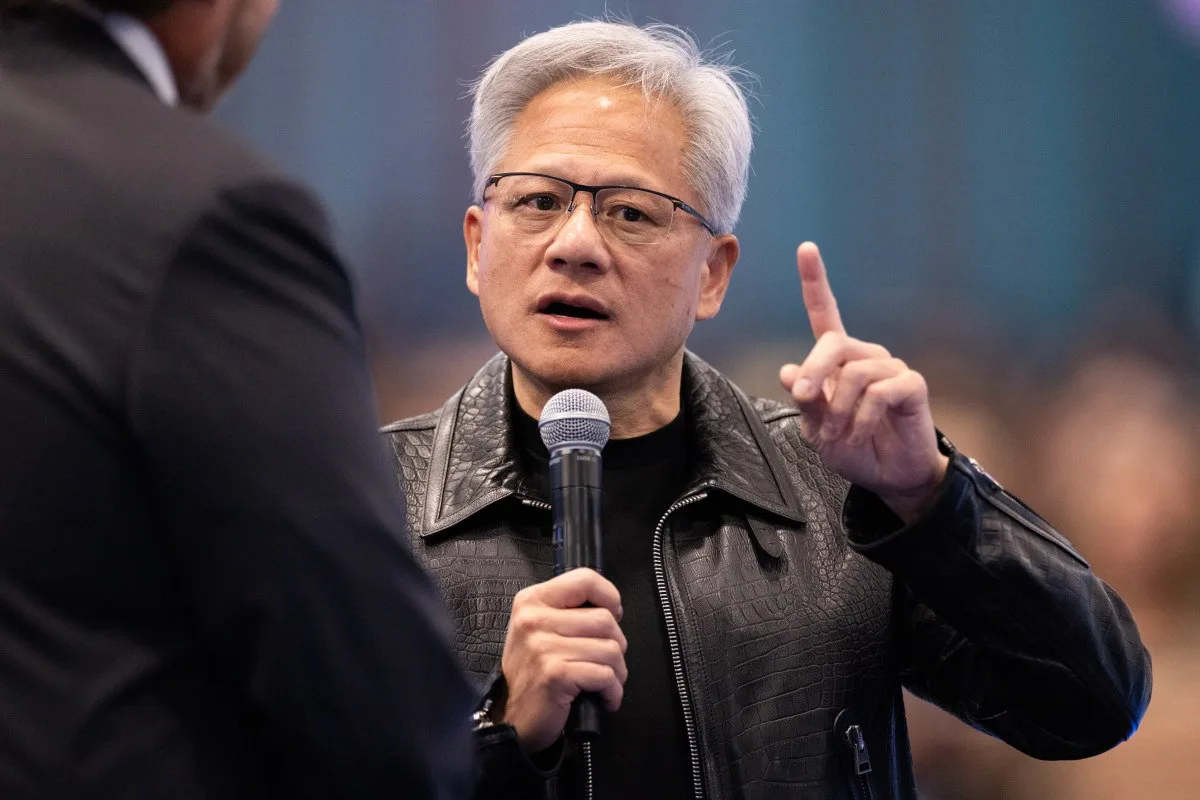
Image: TechCrunch · Source
A US intelligence memo reportedly claims China recruited a Singapore-based executive to spy on Nvidia CEO Jensen Huang, suggesting a covert operation tied to advanced chip technology trade concerns.
According to a memo reportedly circulated earlier in 2026 and based on US intelligence, China’s Ministry of State Security recruited a female technology executive, Alice Huang, to spy on Nvidia CEO Jensen Huang. Multiple media outlets, including The New York Times and Financial Times, have reported on this situation, revealing a covert intelligence effort linked to the high-tech semiconductor sector.
Alice Huang, an executive at Singapore-based Megaspeed, was allegedly tasked with gleaning sensitive information about Nvidia’s activities and potentially its CEO’s dealings. The US intelligence memo further suggested that Jensen Huang and Alice Huang had a romantic relationship, a detail that adds complexity to the case.
Nvidia has responded by stating that the interactions between Jensen Huang and Alice Huang were "not unusual" and emphasized that Nvidia does not share classified information with its customers. This position underscores Nvidia’s stance on safeguarding proprietary technology despite concerns about espionage.
Adding to the concerns, a separate New York Times investigation looked into New Matrix, a Chinese company authorized by the US Commerce Department to purchase advanced Nvidia chips. Reporters discovered that the office address of New Matrix was essentially a "hollow gray shell," raising suspicions that it might be a front for a blacklisted private equity firm, potentially part of a broader strategy to circumvent US export restrictions on high-tech components.
Nvidia’s spokesperson reaffirmed the company’s commitment by noting they sell "the first, best and most of our technology in America," reflecting the firm’s intent to maintain leadership in chip technology while navigating geopolitical tensions.
This emerging intelligence memo sheds light on the ongoing challenges in protecting intellectual property amid rising tensions between the US and China over semiconductor technology and trade. While some details remain unconfirmed, the reported espionage attempt highlights the complex interplay between technological innovation, international business, and national security.
Sources and original reporting
Read the original source ↗
Comments (0)
No comments yet. Start the discussion.
Write a comment
Comments are published after moderation. Your name and comment will be visible publicly. Account