
US Indoor Cellular Signal Strength Lags Behind Other Markets, Slowing Data Speeds
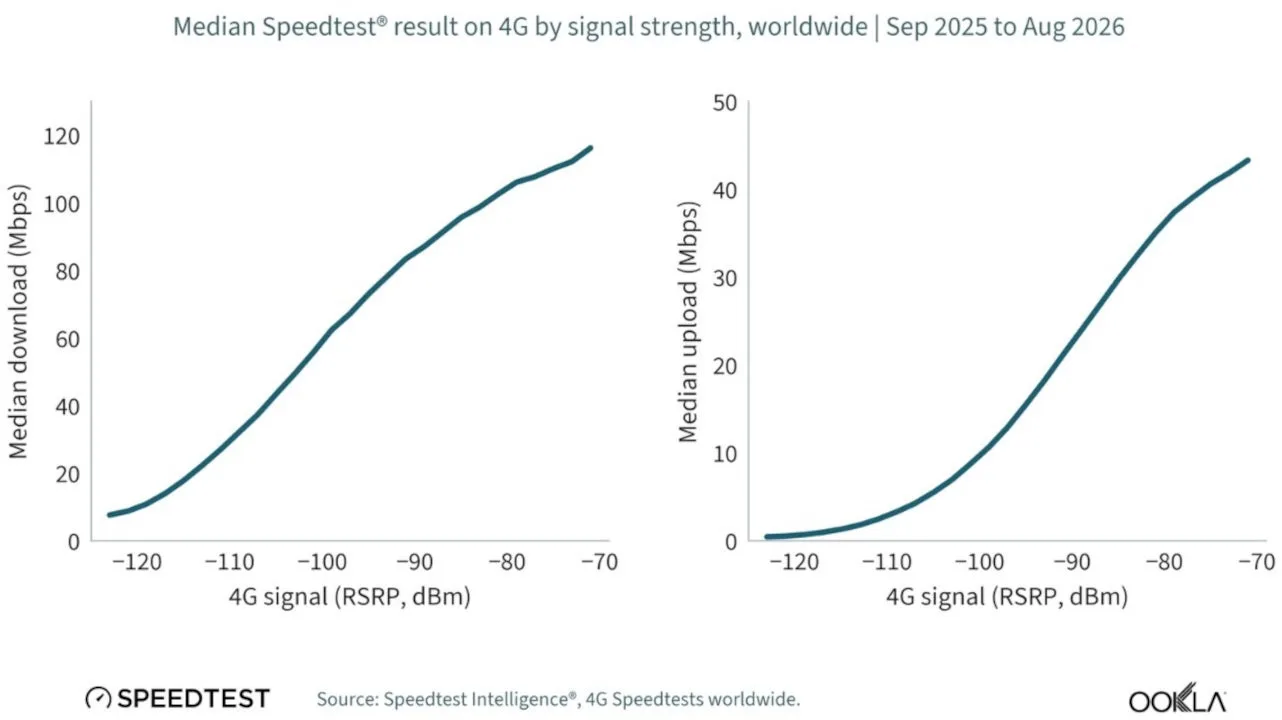
Image: PhoneArena · Source
A recent report highlights that indoor cellular signals in the US are significantly weaker than in other countries, resulting in slower data speeds inside buildings.
A new analysis of cellular network performance has revealed that indoor cell signal strength in the United States is notably poorer compared to many other global markets. This deficiency in signal quality within buildings directly contributes to reduced data speeds when users are indoors. The weaker indoor signals pose challenges for seamless mobile connectivity, affecting everyday activities that rely on fast and reliable cellular data, such as streaming, video calls, and app usage. The report emphasizes the need for improved infrastructure and technologies that can boost indoor coverage across US locations to better meet consumer demands. In contrast, several international markets have implemented more effective indoor network solutions, resulting in stronger signals and faster data throughput inside buildings. Addressing the gap in indoor cellular service quality could lead to enhanced user experiences and support the growing dependence on mobile connectivity in both residential and commercial structures. No specific solutions or timelines have been disclosed, but the report draws attention to the pressing issue as mobile networks continue to evolve.
Read the original source ↗
Comments (0)
No comments yet. Start the discussion.
Write a comment
Comments are published after moderation. Your name and comment will be visible publicly. Account