
Jensen Huang’s Resignation Casts Doubt on Nvidia’s Future Support for Open Source AI
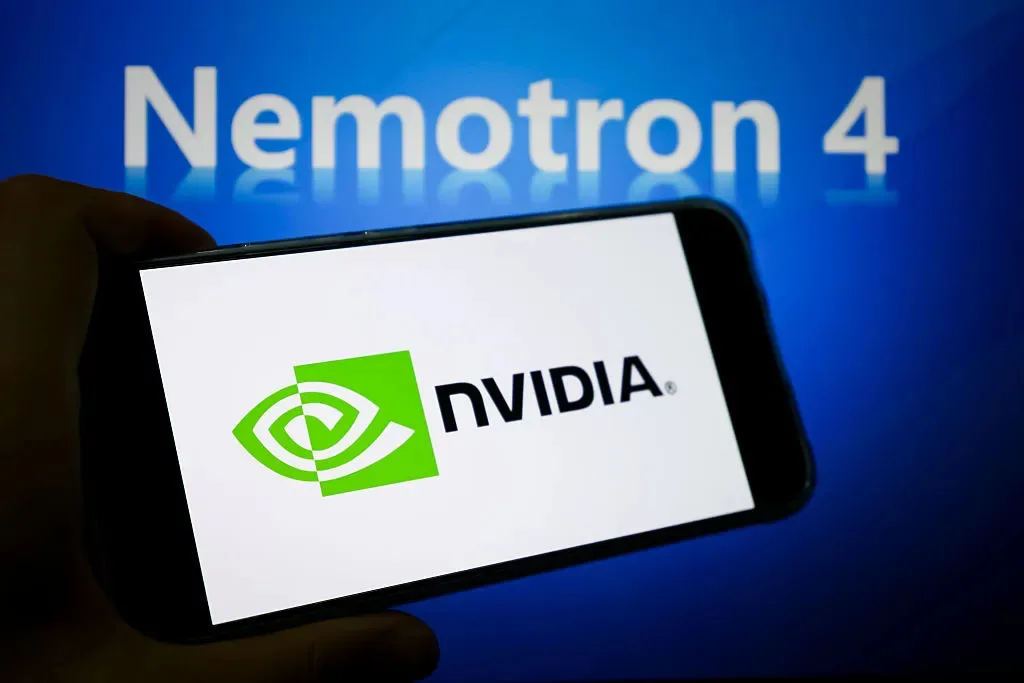
Image: TechCrunch · Source
Nvidia CEO Jensen Huang’s resignation raises uncertainty over the company’s continued backing of open source AI, including its pending Hugging Face acquisition and advocacy against restrictions on open-weight models.
Nvidia CEO Jensen Huang resigned amid controversy, prompting concerns about the company’s commitment to open source AI initiatives he strongly championed. Huang had been a vocal advocate for open source in AI, arguing it fosters safety, innovation, and sovereignty, while also helping Nvidia diversify its market by engaging nation-states and enterprises to develop and own their own AI models.
Huang’s leadership supported significant investments and product developments centered on open AI. He pushed forward Nvidia’s Nemotron series of open-weight AI models aimed at complex agentic and reasoning tasks, positioning them as alternatives to closed frontier models. Internally, he backed startups like Reflection AI and Thinking Machines Lab to enhance the competitiveness of American open models.
Furthermore, Nvidia moved toward expanding its open source ecosystem through deals such as the pending $13 billion acquisition of open source AI platform Hugging Face, and a $6 billion non-exclusive licensing agreement with AI coding startup Poolside. Huang also took a public stand against Washington’s efforts to restrict open-weight models from China, helping to lead a coalition including Microsoft and Meta that urged more measured regulation.
However, Huang’s resignation—amid concerns involving an alleged affair linked to national security risks—raises questions about Nvidia’s future direction. Interim CEO Colette Kress faces decisions on whether to continue these open source initiatives and maintain Nvidia’s support for the open model community. Industry observers worry that leadership change may reduce focus on founder-driven priorities like open source advocacy.
The broader context involves ongoing U.S. policy debates balancing national security concerns with technology openness. While companies like Anthropic emphasize blocking chip sales to China and enforcing safety testing rather than banning open-weight models outright, Nvidia’s stance had been influential as a counterweight to proponents of tighter restrictions.
Nvidia’s business strategy increasingly depends on a vibrant AI ecosystem beyond a few frontier labs, especially as large customers develop proprietary chips. Continuing support for open source AI encourages more developers and organizations to train and run models, driving GPU sales and reducing concentration.
Though Huang has departed, Nvidia’s need for an open AI ecosystem remains strong. The future of its commitment to open source AI and related investments, however, appears uncertain without Huang’s leadership. Nvidia declined immediate comment when contacted by TechCrunch.
Sources and original reporting
Read the original source ↗
Comments (0)
No comments yet. Start the discussion.
Write a comment
Comments are published after moderation. Your name and comment will be visible publicly. Account