
Snap’s Redesigned AR Specs Offer More Comfort but Remain Costly and Purpose Unclear
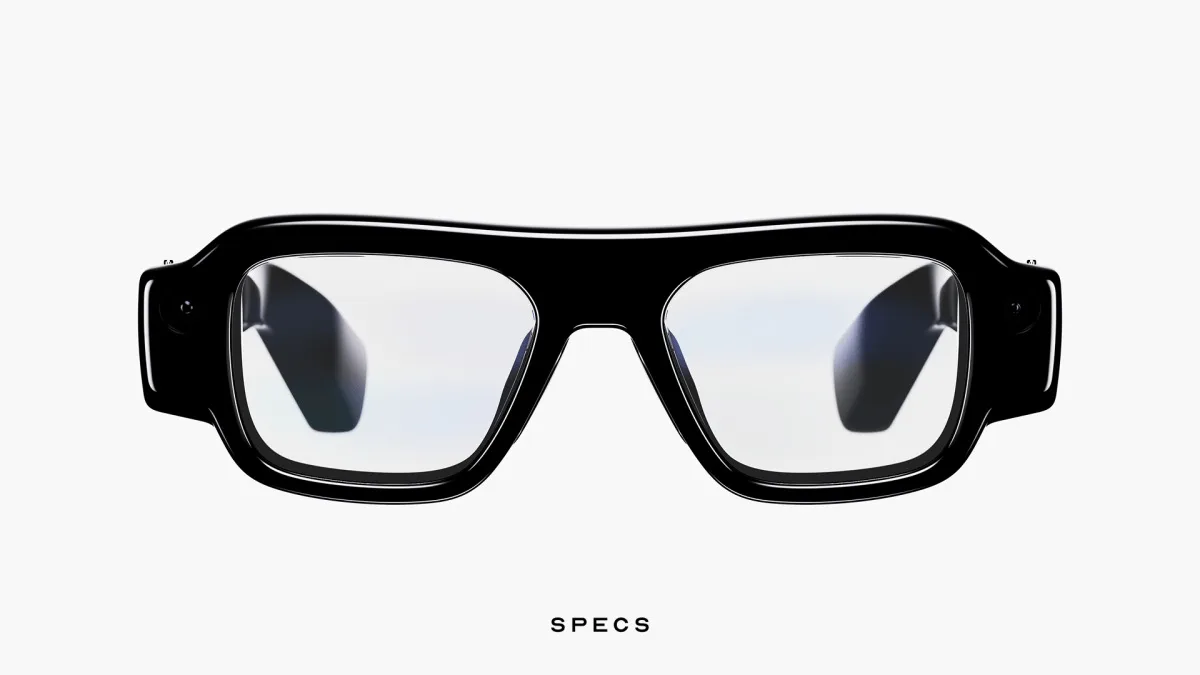
Image: TechCrunch · Source
Snap’s augmented reality glasses, Specs, have become lighter and more comfortable ahead of their fall launch, but their high price and unclear daily use cases leave questions about widespread adoption.
Snap Inc. is preparing to release its augmented reality (AR) glasses, called Specs, this fall after years of development. Initially, prototypes tested earlier in the year, including at CES, were criticized for being heavy, hot, and uncomfortable on the face. Weighing about 8 ounces, those earlier iterations caused discomfort and tingling sensations attributed to the extensive computing hardware embedded in the glasses.
More recent versions showcased in October have made significant improvements. The latest Specs weigh roughly 4.6 ounces—about half the previous weight—enhancing comfort markedly. They also have stopped overheating during extended use. To better fit various users, Specs now come in two frame sizes, 47mm and 52mm, along with spring hinges that add flexibility. These adjustments aim to improve the fit and user experience.
Despite the hardware refinements, the core purpose of Specs remains vague. Priced at approximately $2,200 per unit, the headset is expensive and struggles to define a compelling everyday function. Snap representatives have been unclear whether Specs are primarily for entertainment or productivity, as the glasses attempt to serve multiple roles without focusing on any single one.
Potential use cases include streaming movies or shows on public transportation, where Specs’ immersive display could offer a more engaging experience than smartphones. Another scenario is reading text content while traveling; the device’s immersive nature reportedly helps users focus on material. Additionally, Specs enable hands-free photo and video capture with quick sharing options, appealing for casual, spontaneous media.
Conversely, the glasses face challenges as workplace productivity tools due to inconvenience and social stigma associated with wearing visible AR hardware. The device’s high cost and unproven gaming appeal also limit its potential to attract a broad gaming audience, especially given more affordable consoles and devices.
Snap has integrated advanced technologies into Specs, such as spatial syncing that allows two users to experience shared AR content simultaneously, demonstrating promising technical achievement. However, the product currently lacks a clearly defined niche or compelling advantage over existing devices.
As Snap continues to iterate on Specs, the glasses could evolve into more differentiated tools. For now, the company offers an innovative but costly AR device that may intrigue early adopters yet faces an uphill battle to justify its price and identify its role in everyday life.
Sources and original reporting
Read the original source ↗
Comments (0)
No comments yet. Start the discussion.
Write a comment
Comments are published after moderation. Your name and comment will be visible publicly. Account