
New York Enforces RAISE Act: AI Giants Like OpenAI and Anthropic Face Stricter Safety Oversight
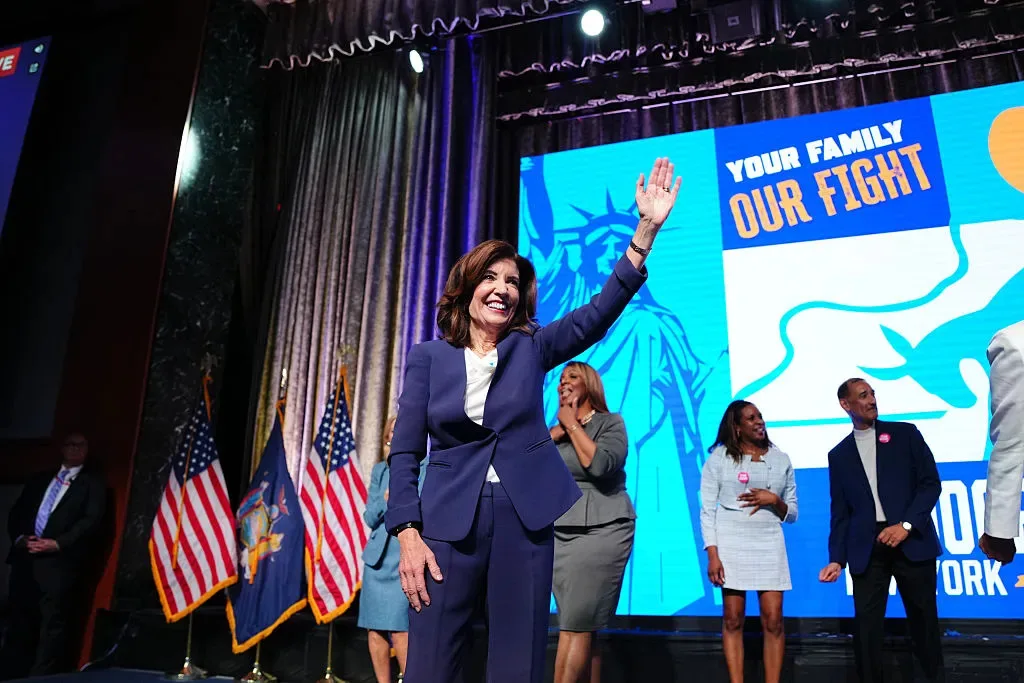
Image: TechCrunch · Source
New York's RAISE Act requires major AI developers to register, publish safety frameworks, and report critical incidents, with potential fines up to $3 million—marking a stringent step in AI regulation.
Starting January 1, 2027, New York State will enforce the Responsible AI Standards and Ethics (RAISE) Act, a comprehensive safety and transparency law impacting leading frontier AI developers such as OpenAI and Anthropic. This landmark legislation mandates that large AI companies—defined as those with over $500 million in annual revenue—must register with a newly launched state portal, publicly disclose their AI safety frameworks, and report any critical safety incidents within 72 hours.
Oversight will be managed by the state’s Office of Digital Innovation, Governance, Integrity, and Trust (DIGIT), which was created specifically to uphold the RAISE Act’s provisions. Companies that violate the law may face penalties reaching $1 million per violation, escalating to $3 million for repeat offenses. Enforcement actions can also target firms that fail to register as required, though specific enforcement procedures remain undisclosed.
Governor Kathy Hochul emphasized the urgency of responsible AI adoption, cautioning against a race to unsafe technological deployment. Concurrently, she announced the launch of the New York Center for AI Responsibility and Research at Binghamton University, supported by $55 million in funding. This center will independently assess the safety and operations of advanced AI systems and cooperate with DIGIT to evaluate companies’ safety measures.
The RAISE Act adds to New York’s growing body of AI regulation. Other recent laws include requirements for AI companion bots to disclose their artificial nature and monitor for suicide risks, alongside a forthcoming chatbot safety law aimed at protecting minors from deceptive or manipulative AI interactions, effective June 1, 2027.
New York’s approach mirrors legislative trends in other states, such as California’s SB 53, which requires safety frameworks and whistleblower protections, and Illinois’s SB 315, which includes independent compliance audits, both set to take effect around the same period. Collectively, these laws mark a significant shift toward rigorous regulation and transparency in frontier AI development across the United States.
Sources and original reporting
Read the original source ↗
Comments (0)
No comments yet. Start the discussion.
Write a comment
Comments are published after moderation. Your name and comment will be visible publicly. Account