
Battery Startup Our Next Energy Survives Challenges, Shifts Focus, and Prepares to Go Public
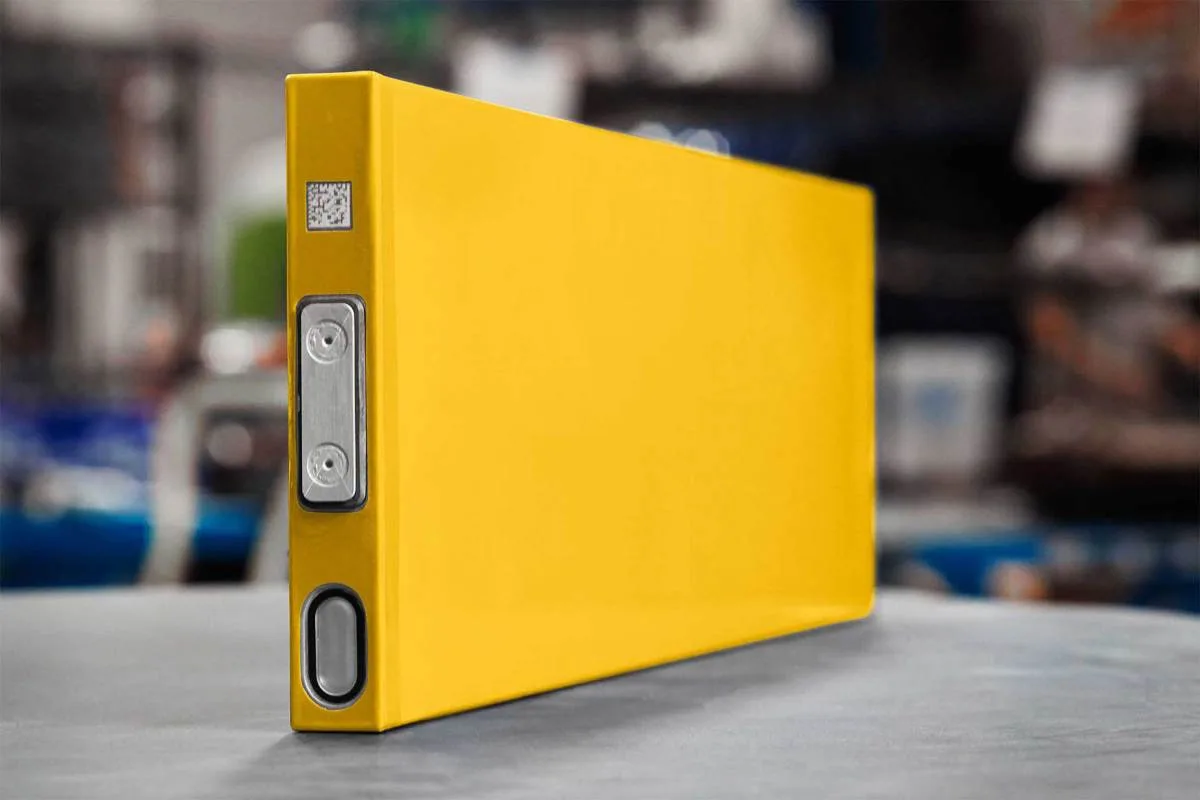
Image: TechCrunch · Source
Our Next Energy (ONE), a U.S. battery startup that weathered setbacks and leadership changes, is set to go public via SPAC. The company pivots from automotive to grid-scale, defense, and rail energy storage markets, targeting U.S. government-aligned clients.
Our Next Energy (ONE), a battery startup with a turbulent history, is preparing to go public through a merger with Wen Acquisition Corp., according to an exclusive report by TechCrunch. The deal values the company at $600 million pre-money, with expected gross proceeds of $400 million from the merger, setting a pro forma equity value of approximately $1 billion on the Nasdaq under the ticker 'ONEE.'
Founded by former Ford and Apple engineer Mujeeb Ijaz, ONE initially developed a dual-battery system combining lithium-iron-phosphate (LFP) cells with manganese-rich cells, designed to optimize daily use alongside long-range performance. An early prototype demonstrated the ability to travel over 600 miles on a single charge. Despite this innovation, a slower-than-expected electric vehicle (EV) market growth and pricing pressures from Chinese suppliers contributed to the startup's financial difficulties, including a stalled Series C round in late 2023, workforce reductions, and relinquishment of plans for a $1.6 billion factory in Michigan.
Ijaz was replaced as CEO in December 2023 but returned in March 2025 following new capital infusion co-led by his brother's investment firm. Under his renewed leadership, ONE elected to pivot away from the automotive sector to focus on grid-scale battery applications, a direction reflecting broader industry trends. Major U.S. automakers facing similar challenges have also shifted toward energy storage, particularly in response to increased demand from data centers powering AI workloads.
The company expanded its business lines to include defense and rail markets, areas less susceptible to competition from Chinese firms due to regulatory and security considerations. ONE has developed a hybrid locomotive battery system and a micro-hybrid model that improves diesel engine efficiency, claiming up to a 50% reduction in fuel consumption. These moves aim to capitalize on higher-margin, albeit smaller, markets where American-made batteries are preferred.
Operating a pack assembly plant in Novi, Michigan, with a 3 gigawatt-hour annual capacity, ONE uses cells from both domestic and Chinese suppliers, complemented by its own cell production aiming for 50 megawatt-hours yearly. Investor materials reveal that defense, including drones, submarines, and defense-related data centers, constitutes a $16.2 billion market for ONE, with rail energy storage representing a $28.2 billion opportunity.
Although these sectors offer substantial potential, they remain smaller than the global EV battery market valued at roughly $73 billion today, with projections to reach $200 billion by 2030. ONE expects $30 million in revenue for the current year, targeting $60 million next year, backed by $200 million in binding contracts.
Ijaz maintains the company has not abandoned automotive opportunities but notes the sector's low margins and intense competition. ONE’s strategic focus leverages U.S. government policies restricting procurement of batteries from Chinese sources or those reliant on Chinese-controlled materials, positioning itself as a domestic supplier to favored markets.
Ultimately, ONE’s success will depend on whether it can maintain operational stability and a clear market focus following its past disruptions, prevailing in the highly competitive battery industry while serving its targeted defense, rail, and grid-scale sectors.
Sources and original reporting
Read the original source ↗
Comments (0)
No comments yet. Start the discussion.
Write a comment
Comments are published after moderation. Your name and comment will be visible publicly. Account