
FAA Ground Stop Linked to Copper Wire Replacement at Remote Facility
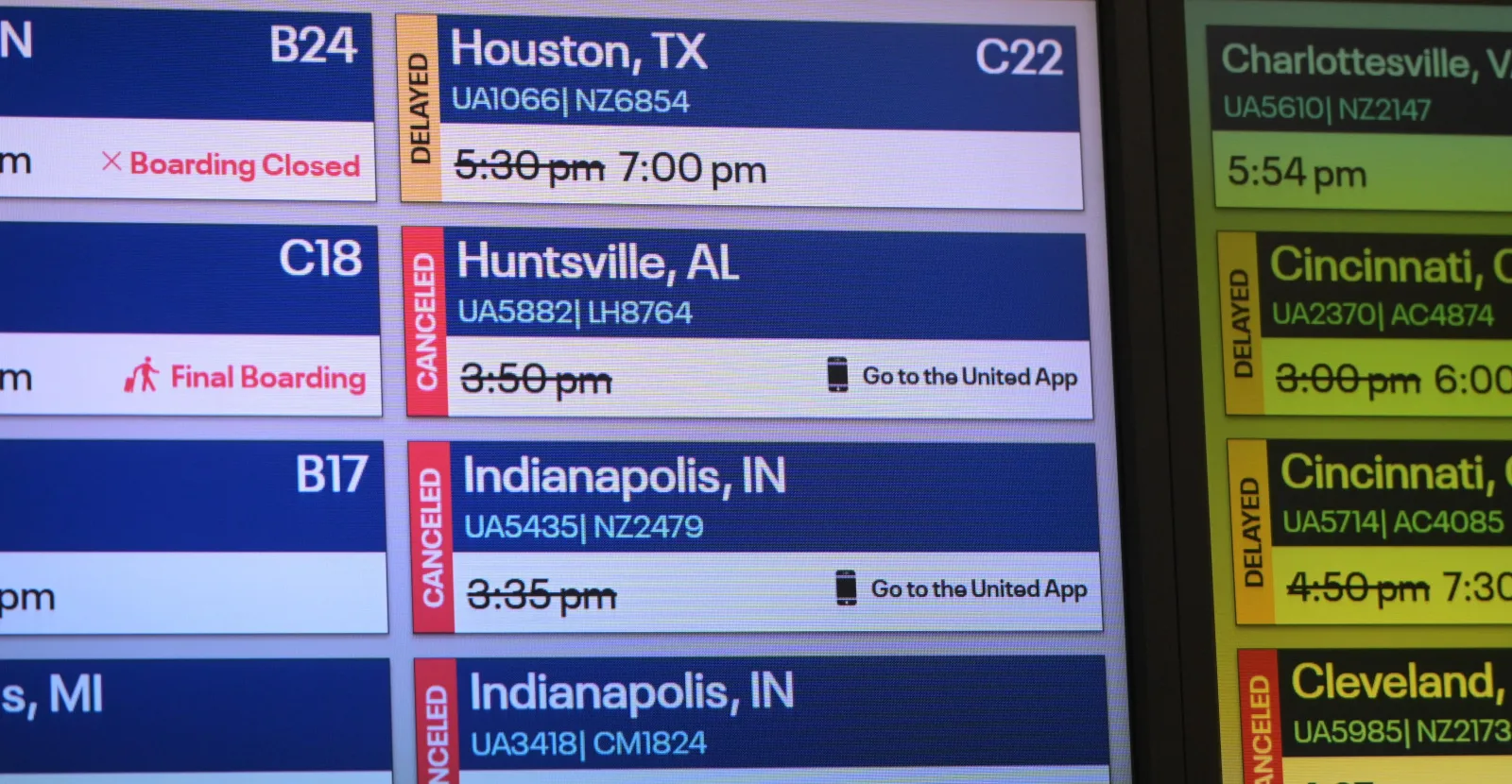
Image: Work to replace old copper wire led to the FAA’s ground stop · Source
A nationwide FAA ground stop was caused by routine maintenance replacing old copper wire with fiber optic technology at a remote facility, leading to technical failures in the Air Traffic Control system.
On November 14, 2026, the Federal Aviation Administration (FAA) implemented a nationwide ground stop that disrupted air traffic across the United States. Transportation Secretary Sean Duffy explained at a press conference that the disruption stemmed from routine maintenance involving the replacement of outdated copper wiring with a new fiber optic line at a remote FAA facility. This upgrade was necessary because the old copper wiring was being discontinued and needed to be shut down to maintain system operations.
Secretary Duffy indicated that the precise cause of the ensuing problem was unclear. Potential causes included faulty hardware, a misconfigured router, or errors attributed to the contractor, L3Harris. The critical failure occurred when the newly installed router began "flooding" other routers in the Air Traffic Control system with excessive connection attempts — reportedly over 1,000 every 4 to 5 seconds. This flooding disrupted radar feeds and the FAA’s ability to communicate with aircraft, forcing the FAA to halt flights nationwide temporarily.
Despite this setback, the Secretary emphasized that the maintenance was part of ongoing efforts to safely and quickly modernize the Air Traffic Control infrastructure. He also appealed to Congress for additional funding, noting that only partial financial support had been provided so far to continue essential upgrades.
This incident highlights the complexities and risks involved in upgrading critical aviation infrastructure, especially when transitioning from legacy technologies like copper wiring to modern fiber optic systems. While the FAA works to modernize its systems, unexpected disruptions remain a concern, underscoring the need for thorough testing and contingency planning during such infrastructure transitions.


Sources and original reporting
Read the original source ↗
Comments (0)
No comments yet. Start the discussion.
Write a comment
Comments are published after moderation. Your name and comment will be visible publicly. Account