
Roblox Co-founder’s Family Funds Controversial Ketogenic Diet Research for Anorexia Treatment
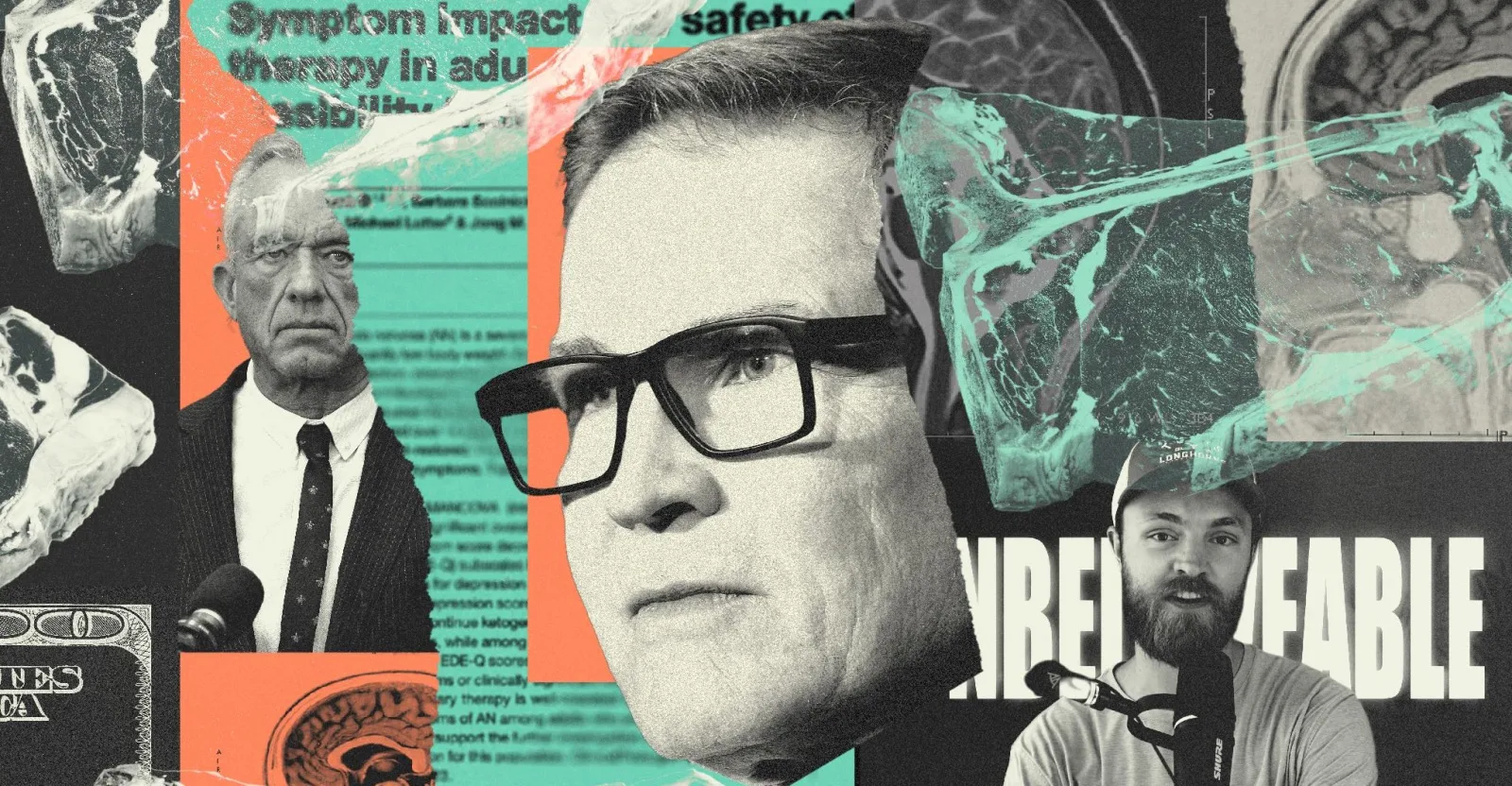
Image: Roblox money is pushing a controversial anorexia treatment · Source
The family of Roblox CEO David Baszucki has invested over $100 million into researching ketogenic diets as treatments for mental illnesses, including anorexia nervosa. Despite preliminary studies showing potential benefits, major experts warn that using keto for eating disorders is unproven and potentially risky.
A recent investigation by The Verge reveals that the Baszucki family, led by David Baszucki—the co-founder and CEO of Roblox—has directed over $105 million towards research exploring ketogenic diets as treatments for mental illnesses. More than half of this funding supports studies on using keto diets for mental health conditions such as anorexia nervosa. This philanthropic effort is significant given the Baszuckis’ net worth fueled by Roblox, the largest gaming platform with over 100 million daily users, largely children and teenagers.
The ketogenic diet is a high-fat, very low-carbohydrate eating plan that induces a metabolic state called ketosis, in which the body burns fat for energy instead of sugar. There is some emerging academic interest in this diet’s potential to aid anorexia treatment by affecting brain metabolism. One small, Baszucki-funded clinical trial led by psychiatrist Dr. Guido Frank at the University of California, San Diego, involved 22 participants and showed that most who completed the 14-week study did not lose weight, and many had reduced symptoms of anorexia and depression. However, this was a preliminary safety and feasibility study rather than definitive proof of effectiveness.
Despite these early findings, many clinicians and nutrition scientists remain skeptical and concerned. Experts like Duke University’s Kylie Jeffrey and University of North Carolina’s Cynthia Bulik caution that prescribing a restrictive keto diet as a treatment for eating disorders is potentially dangerous and not supported by robust evidence. The ketogenic diet influencers, including Matthew Baszucki—David Baszucki’s son who publicly advocates keto as a mental health therapy—sometimes critique conventional psychiatric treatments, which worries some professionals. Nutritional psychiatrist Dr. Drew Ramsey emphasizes that while metabolic psychiatry is promising, it should not disparage established therapies currently helping many patients.
This substantial private funding occurs amidst a decline in US federal investment in eating disorder research; for example, National Institutes of Health (NIH) funding for anorexia research dropped to $14 million in 2025. Because anorexia has one of the highest mortality rates among mental illnesses and lacks approved pharmacological treatments, new approaches are urgently sought. Philanthropy thus increasingly shapes research directions, with the Baszuckis’ focus on ketogenic interventions possibly influencing which treatments receive study.
A notable personal story involves Caroline Beckwith, who struggled with anorexia for years before trying a ketogenic diet proposed by her physician aunt. Beckwith reports some symptomatic relief and improved mood on keto, augmented by ketamine treatments. While this narrative is hopeful, it also includes cautions such as episodes of mania and ongoing vulnerability to relapse.
Metabolic psychiatry, an emerging field exploring links between metabolism and mental health, has shown potential in pilot studies for conditions like bipolar disorder and schizophrenia but still requires large-scale randomized trials for validation. Additionally, genetic research indicates metabolic factors may contribute to anorexia risk, suggesting biological plausibility for metabolic interventions, though conclusive evidence is pending.
In summary, while the Baszucki family’s investment is accelerating research into ketogenic diets as treatments for anorexia and other mental illnesses, prevailing medical consensus advises caution. More rigorous clinical trials are necessary to ascertain safety and efficacy before ketogenic diets could be recommended broadly for eating disorders. Individuals experiencing eating disorders should seek evidence-based medical and psychological care rather than unverified dietary regimens.


Sources and original reporting
Read the original source ↗
Comments (0)
No comments yet. Start the discussion.
Write a comment
Comments are published after moderation. Your name and comment will be visible publicly. Account