
Export-Banned Nvidia Blackwell GPUs Used in China's Leading AI Models Amid Smuggling Allegations
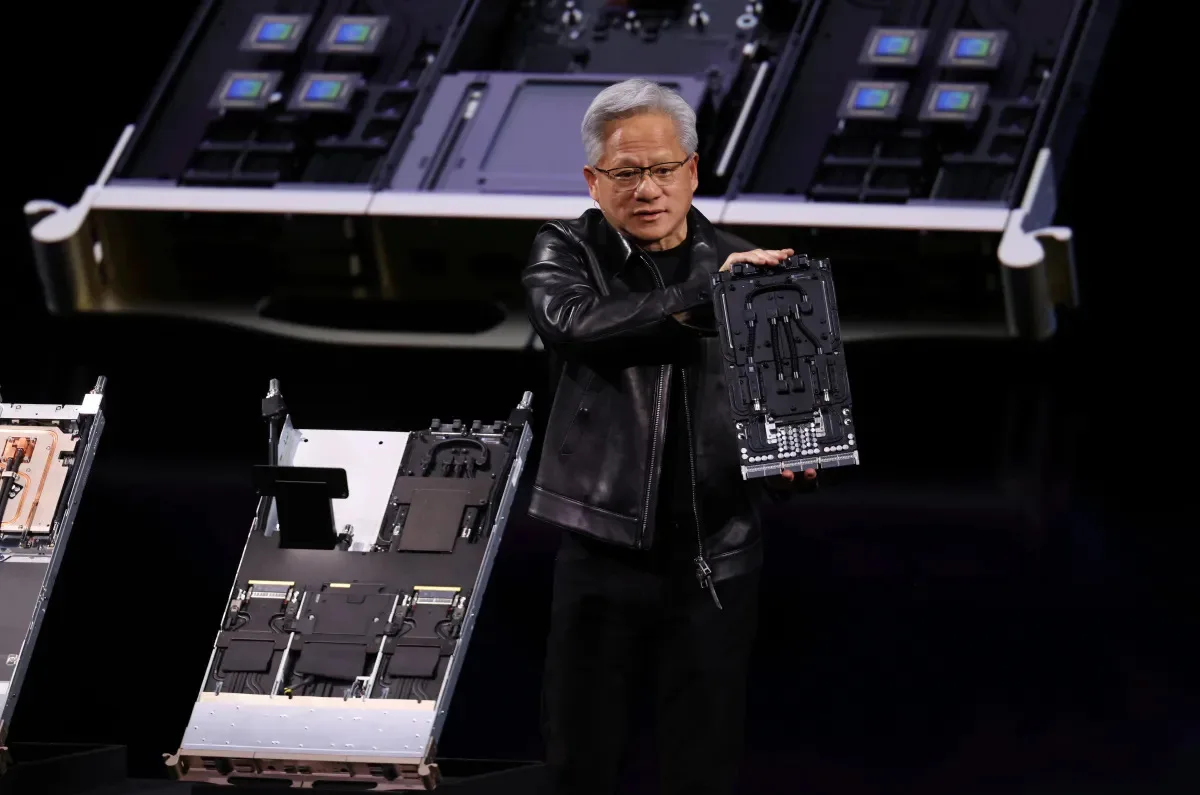
Image: TechCrunch · Source
Research reveals China's top AI models were trained using Nvidia's export-restricted Blackwell GPUs, spotlighting potential export control violations and Nvidia CEO Jensen Huang's controversial ties.
New research indicates that China’s most advanced open-weight AI models have been trained on Nvidia GPUs specifically banned from export to China under US government restrictions, according to a November 2026 TechCrunch report. These Nvidia Blackwell GPUs are crucial to high-performance AI workloads and are subject to stringent export controls aimed at limiting China’s access to cutting-edge AI hardware.
Analysis led by Will DePue, a former OpenAI researcher and head of Unemployment Labs, focused on the unique weight configurations of large language models openly released by Chinese entities such as DeepSeek, Moonshot AI, MiniMax, and Ant Group. The patterns detected in models like Moonshot’s Kimi’s K3 and DeepSeek’s V4 provide compelling evidence these were trained using Blackwell GPUs, despite export bans.
US export laws prohibit shipping these top-tier Nvidia chips directly to China or Chinese-owned companies. While Nvidia can export certain less powerful chips like the H200 via indirect routes, Blackwell GPUs remain banned. However, reports suggest widespread chip smuggling into China through illicit channels, including offshore data centers commonly located in Malaysia, which hosts an estimated 275,000 Nvidia AI accelerators imported in 2024 and 2025.
The issue escalated amid revelations involving Nvidia’s former CEO Jensen Huang, who stepped down amid a scandal involving an affair with Alice Huang, an executive at Megaspeed—a company implicated in smuggling Nvidia chips to China. Alice Huang has also been alleged to have ties to Chinese intelligence services. Megaspeed and its subsidiary Speedmatrix have reportedly played a central role in funneling banned Nvidia GPUs into Chinese AI labs, prompting investigations by US and Singaporean authorities.
US government officials, including White House technology adviser Michael Kratsios, have publicly acknowledged evidence of Chinese companies using export-banned Nvidia hardware. Epoch AI, a nonprofit research organization, estimates that about two million advanced Nvidia chips entered China covertly during 2024 and 2025.
This situation reflects a broader tension: although US export controls aim to maintain America’s edge in AI technology by restricting hardware shipments to China, enforcement is hampered by complex supply chains and offshore data centers. Experts question the effectiveness of these controls, especially when the chips can be shipped legally to third countries like Malaysia before indirectly being used by Chinese firms.
Furthermore, Nvidia faces heightened scrutiny over its corporate compliance and potential liability for export control violations, complicated by CEO Jensen Huang’s personal involvement with Megaspeed leadership. Although Nvidia officials have claimed due diligence by visiting Megaspeed data centers, the optics and facts surrounding the smuggling allegations have significantly tarnished the company's reputation.
The unfolding saga also has broader implications for US-China technology competition. While some Chinese AI firms rely on imported Nvidia hardware, China is simultaneously investing heavily in its domestic semiconductor industry, which some analysts predict could reduce dependency on Western chips. However, uncertainty remains about why substantial stocks of Nvidia chips reportedly remain held in Hong Kong, possibly linked to trade negotiations or security concerns.
In sum, the discovery of export-banned Nvidia Blackwell GPUs powering China's foremost AI models highlights the challenges of export controls, corporate governance, and geopolitical rivalry in the rapidly evolving AI hardware landscape.
Sources and original reporting
Read the original source ↗
Comments (0)
No comments yet. Start the discussion.
Write a comment
Comments are published after moderation. Your name and comment will be visible publicly. Account