
Impact of Jensen Huang’s Ouster on Nvidia and the AI Industry
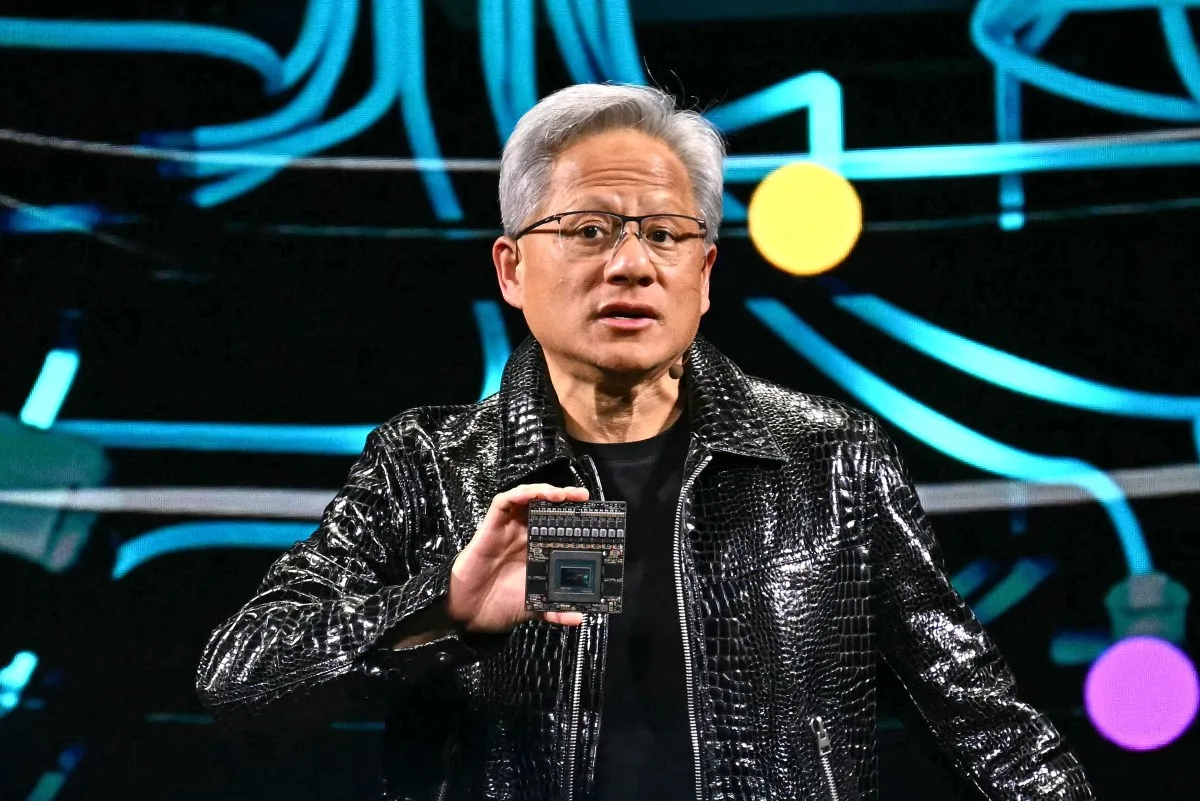
Image: TechCrunch · Source
Jensen Huang’s removal as Nvidia CEO amid scandal could affect AI industry progress on open-weight models, security, AI narratives, AI-powered PCs, and financing data centers.
Jensen Huang, the longtime CEO of Nvidia, was ousted by the company’s board following revelations of extramarital affairs, including one with a direct report suspected by U.S. authorities of being a Chinese spy. The situation is further complicated by suspicions that this partner’s Singapore-based cloud company facilitated Nvidia chip deliveries to China, potentially circumventing export restrictions. Huang’s personal misconduct has thus raised significant geopolitical and security concerns beyond the usual personal scandal.
Huang had been a powerful advocate driving several important AI industry initiatives. Notably, he championed open-weight AI models—models whose weights and architectures are publicly shared—as a means to foster competition, reduce enterprise AI costs, and provide market choice relative to proprietary models. His leadership was instrumental in Nvidia’s planned $12.9 billion acquisition of Hugging Face, a major repository for open-weight models. Huang also rallied tech companies to sign a letter supporting open-weight AI, opposing government pushes to ban Chinese open-model variants.
In AI safety, Huang promoted industry self-regulation through technology rather than immediate government regulation. Nvidia spearheaded the Open Agent Safety Platform, an open-source collaborative effort addressing issues of AI agents acting unpredictably or maliciously. Huang’s exit leaves the industry without one of its most vocal proponents for these safety efforts.
He further shaped public discourse by framing AI systems strictly as engineered tools rather than sentient or conscious entities, countering narratives from some AI labs suggesting emergent consciousness. This perspective helped temper fears and shaped regulatory debates.
On the hardware front, Huang had successfully convinced multiple PC manufacturers to adopt Nvidia CPUs to build high-end AI-capable PCs aimed at developers and creators. These AI PCs, launching during the 2026 holiday season, represent Huang’s vision for bringing advanced AI workloads to local machines, positioning Nvidia close to end users.
Financially, Huang engineered complex funding approaches to support the expansive build-out of data centers necessary for AI development. He secured massive backing—hundreds of billions of dollars—from top private equity and financial firms, packaging Nvidia GPUs as collateral for large-scale bond sales and data center financing deals. His vision cast Nvidia as investable infrastructure akin to aircraft, with long asset lifecycles. His departure arrives at a time when concerns about AI-related debt and stock volatility are mounting.
Now removed from his role and public AI advocacy, Nvidia faces challenges retaining momentum behind key initiatives Huang had championed. The scandal and resultant scrutiny—political and public—may hinder the company’s ability to continue leading on open AI models, safety platforms, AI narratives, innovative AI hardware, and data center financing. As Nvidia searches for a new CEO, the industry loses a powerful voice linking technological progress with strategic direction in AI.
It remains to be seen how Nvidia will navigate this crisis and whether it can maintain its influential position in AI development without Huang’s leadership and vision at the helm.
Sources and original reporting
Read the original source ↗
Comments (0)
No comments yet. Start the discussion.
Write a comment
Comments are published after moderation. Your name and comment will be visible publicly. Account