
Companies Develop Safer Phones Tailored for Children Amid Parental Concerns
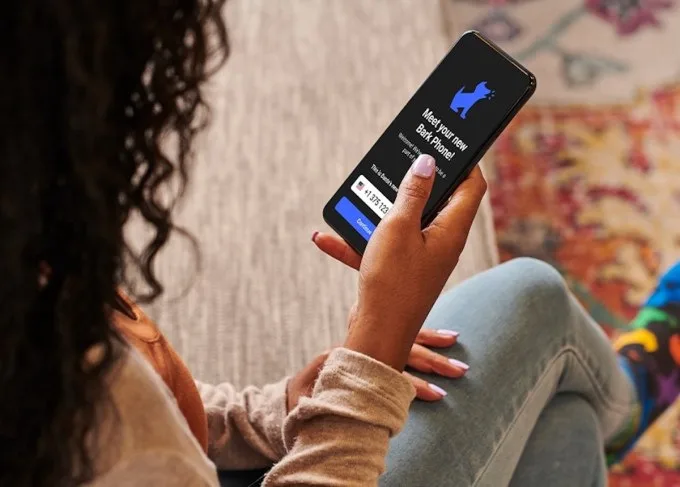
Image: Image Credits:Bark · Source
As parents seek safer phone options for kids, various companies offer specialized devices ranging from secured smartphones to minimalist home phones, featuring parental controls, approved contacts, monitoring, and limited connectivity.
Growing parental concerns about unrestricted smartphone use by children have spurred several companies to design phones specifically intended for kids. These devices often resemble smartphones with touchscreens and cameras but incorporate heavily modified software to restrict or eliminate access to potentially harmful features such as web browsers, social media platforms, and app stores.
To help parents manage their child's phone use, these devices commonly come with companion apps. Through these apps, parents can approve who their child contacts, monitor location, impose screen time limits, and receive alerts about issues like cyberbullying or exposure to inappropriate content.
Among the notable offerings is the Bark Phone, built on Samsung Galaxy hardware and powered by Bark's monitoring software. It restricts communication to approved contacts and scans texts, emails, and app content for warning signs such as grooming or suicidal ideation. Parents can gradually enable more features as their children grow, plus enjoy GPS tracking and screen-time management. The standard model is priced around $240, with ongoing service plans starting at $29 monthly.
Gabb takes a different approach by eliminating high-risk content entirely; its phones exclude social media, browsers, and app stores, providing only calling, texting, and essential apps like camera and calendar. It includes location tracking and optional services to block spam. Gabb phones start near $160, with cellular plans about $25 per month.
Pinwheel offers customizable management options allowing parents to approve each app, control contacts, schedule screen time, and create usage “modes” for different times of day — for example, limiting functions during school hours. Pinwheel’s phones cost around $119, with a subscription service for parental controls starting at $14.99 monthly. The company also markets landline phones and smartwatches designed for kids.
For older children, Teracube Thrive runs a tailored Android version, giving parents robust controls over app approval, web filtering, and usage monitoring. Priced at about $99 with plans from $35 monthly, it offers more typical smartphone capabilities while maintaining safety features.
Unique in this space, several companies provide minimalist home phones made for kids, including Ooma MyPhone, Tin Can, and Waffle. These devices connect via Wi-Fi or landline replacements, restrict calls to approved contacts, and forgo texting or internet access. They offer affordable pricing starting at around $70 to $100, with low monthly fees.
TextNow’s recent release, Yello!, resembles a regular touchscreen smartphone but limits features with no app store or social media. Parents can monitor contacts, location, battery, and control games. It costs $149.99 with a $19.99 monthly plan.
Overall, the kid-focused phone market is diversifying, offering parents multiple options from feature-restricted smartphones to basic calling devices, all aimed at balancing connectivity with safety and parental oversight.


Sources and original reporting
Read the original source ↗
Comments (0)
No comments yet. Start the discussion.
Write a comment
Comments are published after moderation. Your name and comment will be visible publicly. Account