
Israeli Venture Capitalists Eye Opportunities Amid Nvidia Leadership Turmoil
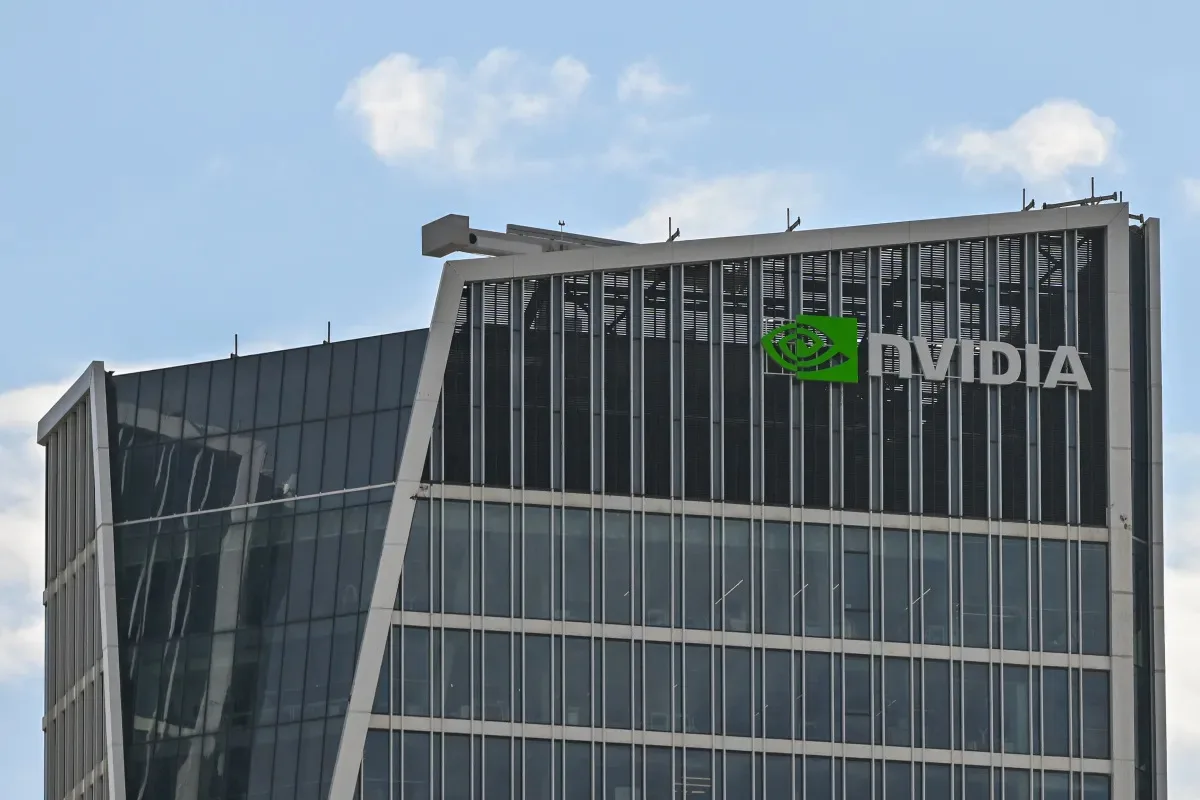
Image: TechCrunch · Source
Following Nvidia CEO Jensen Huang's resignation, Israeli investors consider openings for competitors in AI hardware, while Nvidia's commitment to Israel and its role in the local tech ecosystem faces uncertainty.
Nvidia's unexpected resignation of CEO Jensen Huang has sparked concern and cautious optimism within Israel's vibrant technology scene, often described by Huang himself as Nvidia's "second home." Nvidia holds significant stature in Israel not only for its economic impact but also as a key player fueling the country's AI advancements through its GPUs, integral to large language model training.
Huang's strategic moves, notably the $6.9 billion acquisition of Israeli chipmaker Mellanox in 2019, anchored Nvidia's deepening investment in Israeli innovation. Mellanox remains home to Nvidia's largest research and development facility outside the United States, supported by plans for a multibillion-dollar campus in northern Israel. These investments currently employ around 6,000 locals and signal Nvidia's entrenched presence.
Nevertheless, Huang's departure raises questions about the sustainability of Nvidia's dedication to Israeli R&D. Israeli technology leaders and venture capitalists watch closely, with some seeing the leadership vacuum as a chance for emerging competitors to chip away at Nvidia's dominance. Vertex Ventures Israel's Yanai Oron highlighted that while any slowdowns in Nvidia's decision-making might open doors for rivals, a potential decline in AI investment could shrink opportunities for all players.
Interim CEO and Nvidia CFO Colette Kress has publicly affirmed her daily engagement with Israeli teams, underscoring ongoing commitments despite executive shifts. Meanwhile, among potential successors are two Israeli executives, Apple’s Johny Srouji and Nvidia’s Michael Kagan, though neither tops the speculative list.
Industry experts like Adi Levanon of Selah Ventures note that while Nvidia’s technology and ecosystem are robust, leadership change may reduce the company's monopoly over AI chip innovation, potentially facilitating competitive designs and alternative AI hardware approaches. Global enterprises' growing demand for AI-driven workflows accelerates interest and investment in specialized AI chips and inference software aiming to challenge Nvidia's supremacy.
In summary, Nvidia’s leadership change presents a complex mix of opportunity and uncertainty for Israel’s startup ecosystem. While the company’s future Israeli strategy remains to be clarified, the shift could recalibrate the competitive landscape within AI hardware, inviting challengers to prove alternative solutions' viability.
Sources and original reporting
Read the original source ↗
Comments (0)
No comments yet. Start the discussion.
Write a comment
Comments are published after moderation. Your name and comment will be visible publicly. Account