
Experiencing a 65-inch OLED TV: Stunning Picture Quality and Unexpected Challenges
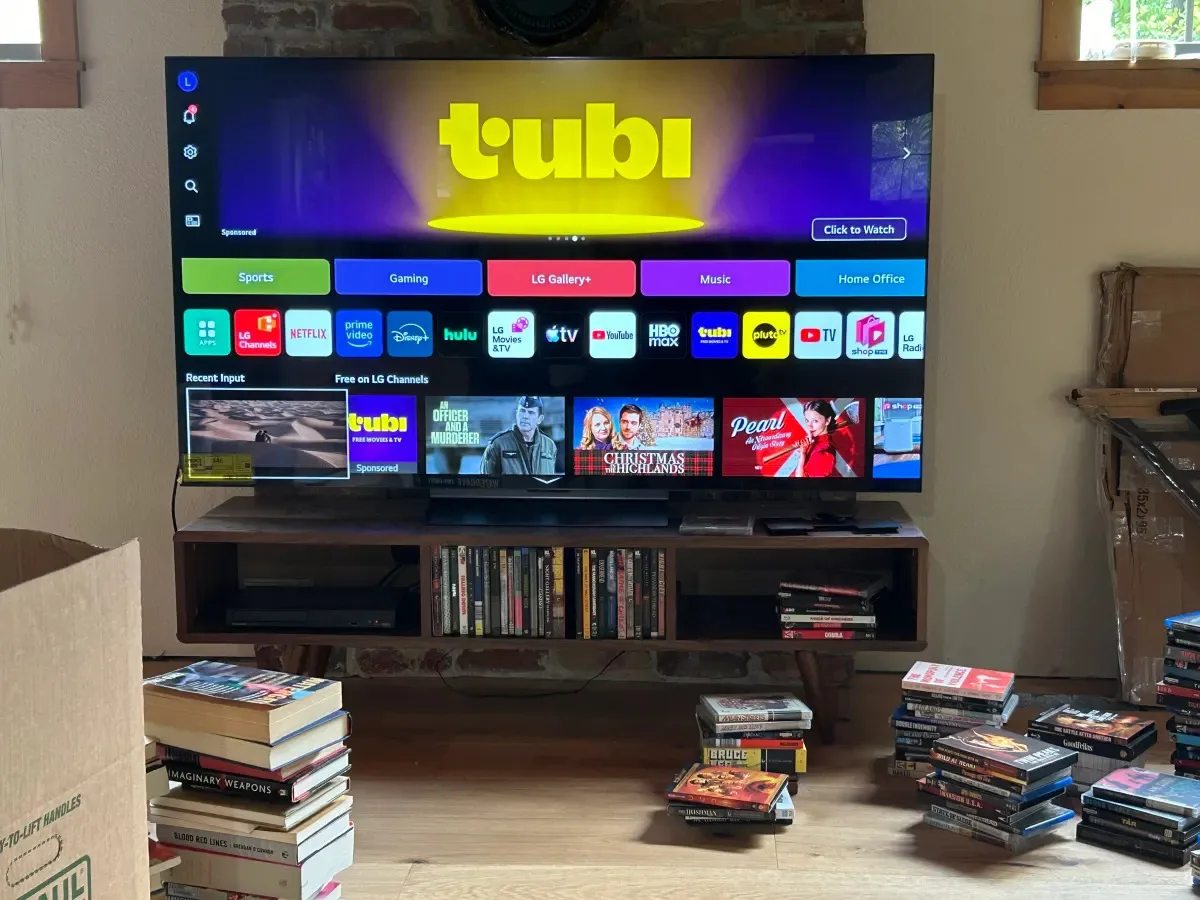
Image: TechCrunch · Source
Upgrading to a 65-inch OLED TV offers extraordinary image quality but can initially cause discomfort such as nausea and headaches, a phenomenon reported by new users. Adjusting to the large screen size may require time, with viewing distance and settings playing roles.
Organic Light Emitting Diode (OLED) technology has revolutionized television display quality by using self-illuminating pixels to deliver vivid colors and deeper blacks compared to traditional LED TVs. Recently, a technology enthusiast upgraded from a 55-inch TCL smart TV to a 65-inch LG evo C4 OLED, drawn by the promise of superior picture quality and enhanced home cinema experience.
The OLED's vibrant display brought the user’s 4K Blu-ray collection to life, showcasing its advanced color and shadow rendering capabilities. However, shortly after beginning a film viewing, the user experienced unexpected nausea and a tension headache, symptoms that lingered despite no personal history of motion sickness.
This adverse reaction is not isolated; other new OLED owners have reported similar experiences, with online communities like Reddit sharing accounts of feeling lightheaded or nauseous after using large OLED screens. The exact causes remain debated—some speculate that motion smoothing features contribute to discomfort, although the LG evo C4 was used with these settings off. Sitting distance was also carefully maintained at about nine feet, aligning with manufacturer recommendations for 65-inch screens.
Another hypothesis from the user is that the sizable screen demands substantial eye movement to process the entire image, akin to staring out of a moving car window, which could induce sensory conflict leading to nausea. After several days, the user’s eyes acclimated to the screen size, and the unpleasant symptoms subsided, allowing full enjoyment of the spectacular home viewing experience.
The physical size of the 65-inch television presents additional considerations. The user’s larger living room accommodated the device comfortably, whereas smaller spaces might feel overwhelmed by such a large screen. Setup challenges were noted as well: the LG evo C4 ships with minimal installation instructions, and its width requires careful handling and sometimes assistance to avoid damage during assembly.
Once installed, the evo C4 offers customizable features such as advanced brightness and color adjustments, alongside specialized modes like “Filmmaker Mode” which aims to reproduce the director's intended visuals. This blend of technology and user control makes the OLED a compelling option for cinephiles, provided they account for a possible adjustment period to its size and image characteristics.
In summary, while a 65-inch OLED TV delivers an exceptional viewing experience, prospective buyers should consider their room size, installation logistics, and potential initial physiological responses. As the eye adapts, users can expect to enjoy a significant upgrade in picture quality and home entertainment immersion.
Sources and original reporting
Read the original source ↗
Comments (0)
No comments yet. Start the discussion.
Write a comment
Comments are published after moderation. Your name and comment will be visible publicly. Account