
NVIDIA Advances Robot Dexterity Training with Simulation at CoRL 2026
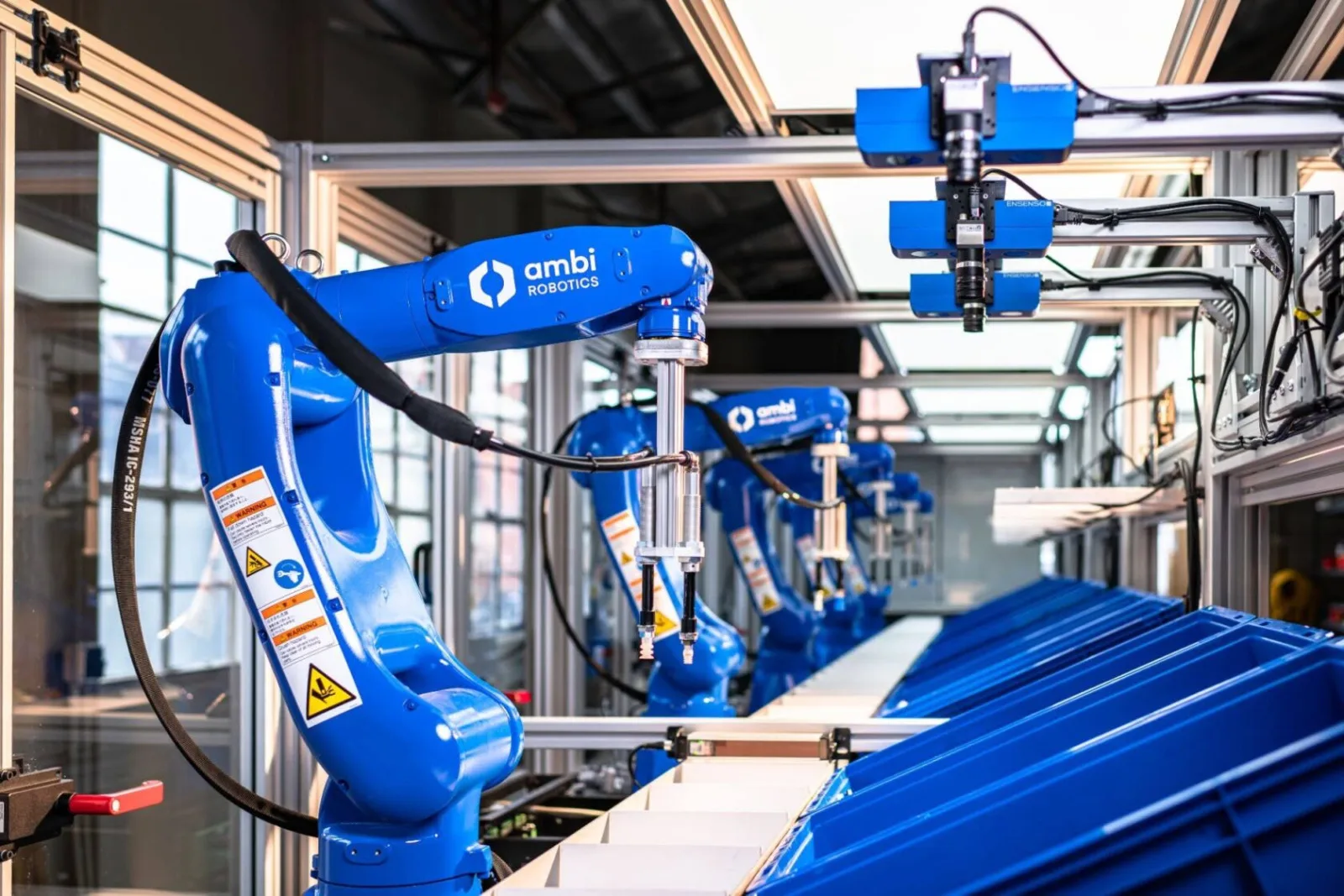
Image: NVIDIA · Source
At CoRL 2026, NVIDIA unveils new open robotics tools and world action models that allow robots to master delicate manipulation tasks through advanced simulation, pushing toward industrial-scale autonomy and adaptability.
At the 2026 Conference on Robot Learning (CoRL) in Austin, Texas, NVIDIA highlighted significant advancements in robotic dexterity training enabled by sophisticated simulation technologies. Moving beyond traditional locomotion tasks, researchers are now teaching robots to perform delicate manipulations such as gear alignment, cable connections, and assembling small components. This shift is supported by NVIDIA's introduction of new open-source robotics tools, simulation frameworks, and benchmarks intended to accelerate the practical deployment of capable industrial robots.
Central to these advances are world action models, which help robots perceive their environments, anticipate the consequences of their actions, and execute complex sequences with precise control. NVIDIA introduced GR00T 2, a frontier open model trained on extensive human and robot datasets, delivering strong out-of-the-box performance across numerous tasks with little training data. GR00T 2 also supports skill transfer between different robot platforms and facilitates error recovery, helping robots to operate more autonomously.
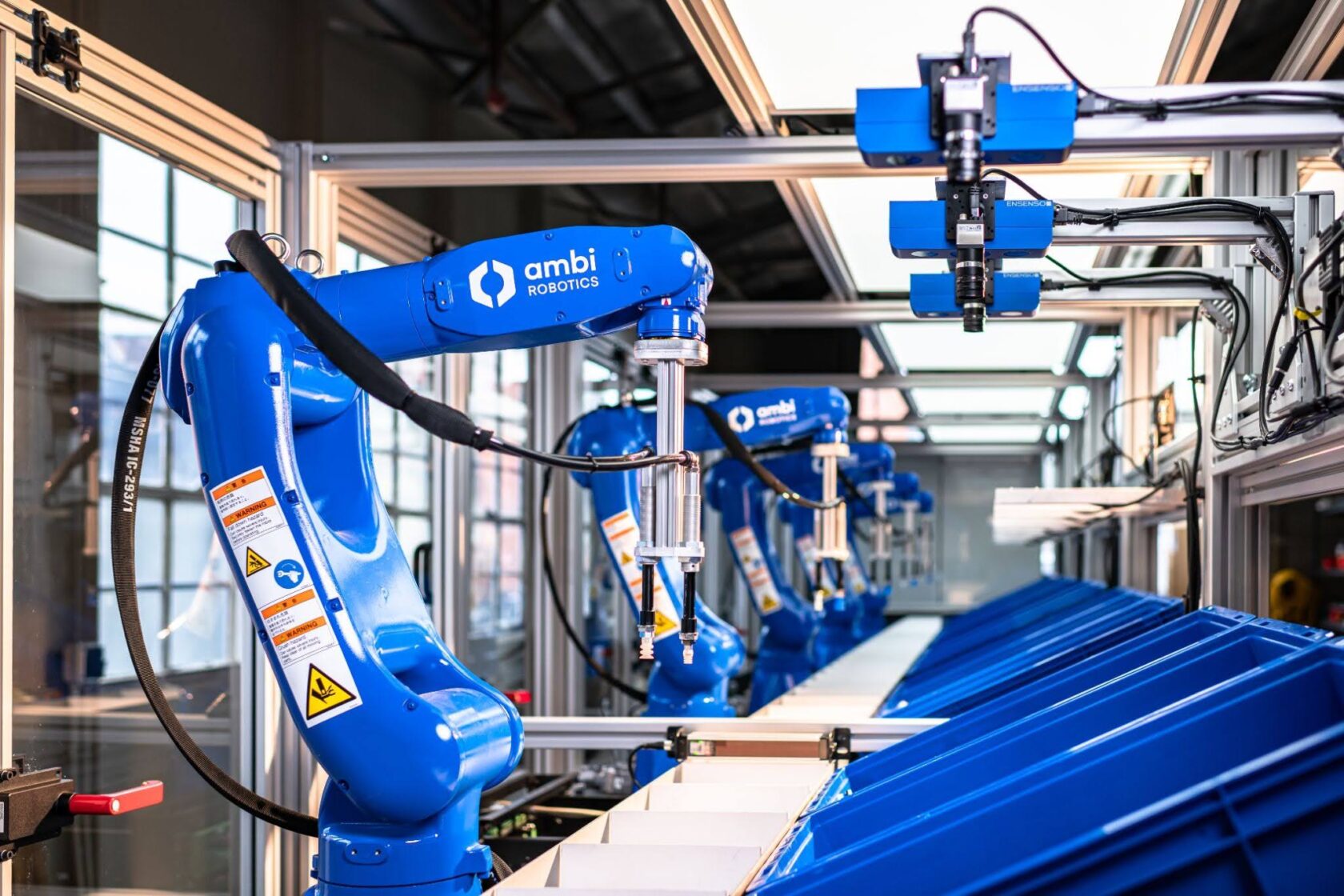
The company’s Isaac Lab 3.0, an open-source robot-learning framework, integrates with NVIDIA's Newton physics engine to simulate complex interactions involving deformable objects and articulated systems. This integration boosts training throughput and accuracy, critical for transferring learned skills from simulation to physical hardware. NVIDIA’s collaborations with partners including Siemens, Foxconn, Ambi Robotics, and research institutions further demonstrate real-world applications in factory automation, laundry handling, and cable swapping.
Supporting data generation, NVIDIA introduced workflows like Video to Data for converting human videos into simulated robot demonstrations, and the EgoHand model for reconstructing 3D hand motions. Meanwhile, new industrial benchmarks—DexBench and VABAR—enable assessment of robot dexterity and adaptability under varied, realistic conditions.
Moreover, the agentic robotics paradigm showcased at CoRL introduces AI agents that compose and refine robot skill sequences, ensuring robustness and interpretability. Initiatives like UC Berkeley’s Graph-as-Policy framework embody this approach to build reliable multistep robot programs. Industry leaders such as Bosch Research and Siemens are exploring these agentic workflows for advanced industrial automation.
NVIDIA’s open tools and models, coupled with enhanced simulation fidelity and benchmarking, represent a meaningful leap toward robots capable of precise, adaptable manipulation in complex environments, narrowing the gap from laboratory research to industrial deployment.
Sources and original reporting
Read the original source ↗
Comments (0)
No comments yet. Start the discussion.
Write a comment
Comments are published after moderation. Your name and comment will be visible publicly. Account