
Rockstar’s GTA VI Satirizes Indie Games with In-Game Puzzle Title Tenebrae Lux
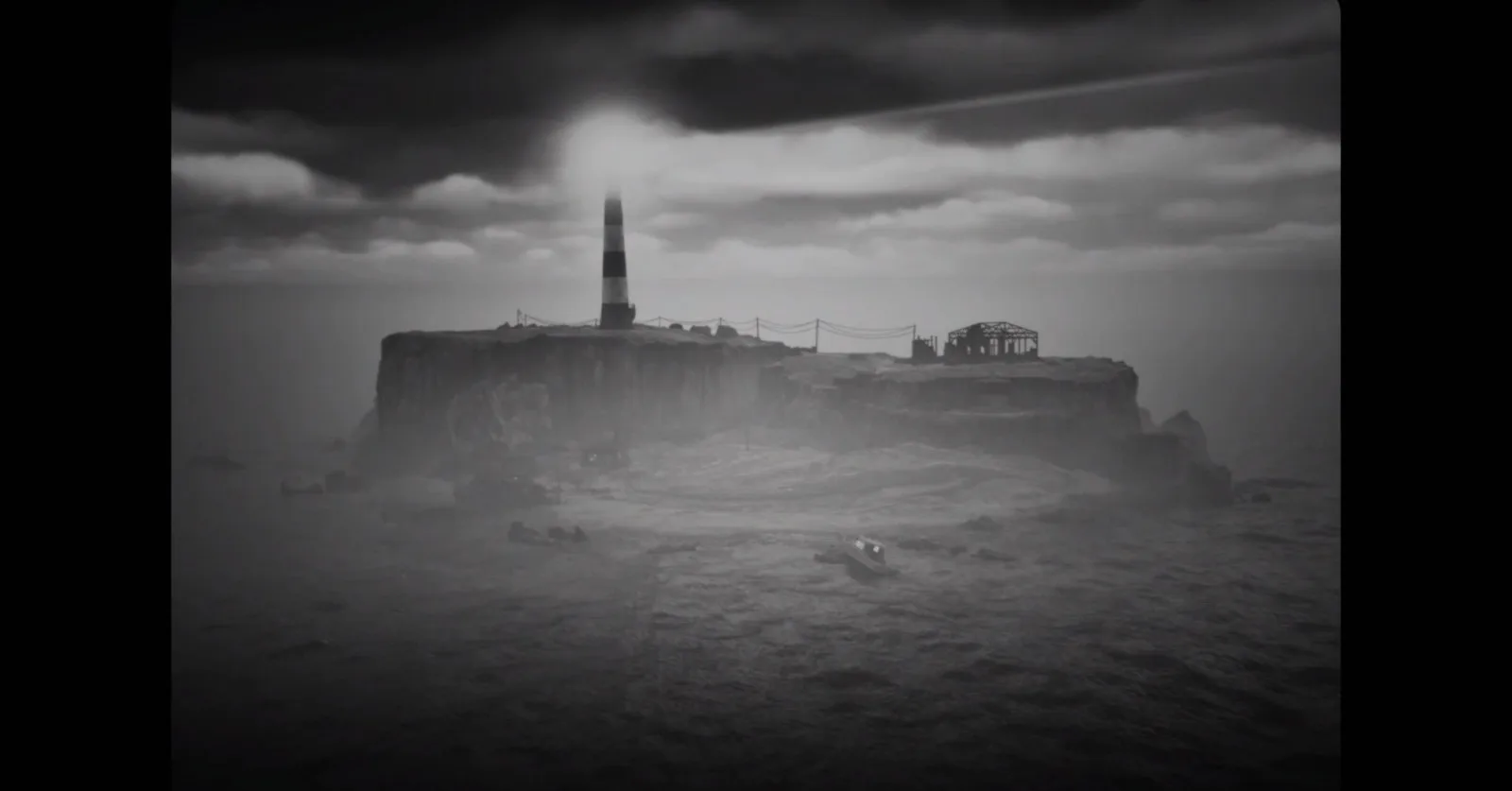
Image: GTA VI’s pretentious puzzler makes indie developers feel ‘part of larger culture’ · Source
GTA VI features an in-game puzzle game, Tenebrae Lux, that parodies indie arthouse titles, capturing the attention of indie developers and gamers alike while highlighting Rockstar’s self-aware critique of gaming culture.
Rockstar Games’ blockbuster title Grand Theft Auto VI (GTA VI) includes a remarkable Easter egg: Tenebrae Lux, a moody, black-and-white puzzle game embedded within the main story. This obscure puzzle game, credited singularly to a fictional developer Johannes Zuch, parodies the style and tone of introspective indie titles like Jonathan Blow’s The Witness and The Chinese Room’s Dear Esther. It features dramatic narration and obtuse puzzles, drawing both curiosity and commentary from the gaming community.
Within GTA VI’s immersive world, Rockstar has infused a range of satirical media elements — from TV shows to radio hosts — all designed to reflect and distort contemporary culture humorously. Tenebrae Lux stands out as the most discussed of these embedded experiences due to its pointed lampooning of artful indie games. Notably, indie developers such as Sam Barlow and Robert Yang have publicly noted how this in-game critique brings their niche genre into the mainstream spotlight.
Robert Yang remarked on the irony of one of the biggest commercial games engaging playfully with arthouse indie games, likening it to “a fighter jet getting obsessed with an ant.” However, he also suggested that Rockstar’s developers are familiar with these types of artistic titles, noting that the company’s creative teams probably admire games like Dear Esther. This suggests a respectful albeit humorous nod toward the indie scene.
Sam Barlow expressed appreciation that millions of players encounter the extended joke about indie games while progressing through GTA VI’s storyline. He hoped that this exposure might encourage some players to explore these more experimental games outside the GTA universe, fostering a shared cultural space.
The in-game dialogue preceding Tenebrae Lux play frames it as a somewhat tedious, pretentious experience, with characters debating its merits before shifting to a more conventional zombie roguelike game, Street Trash 3 Dezombifier. This brief engagement with Tenebrae Lux, followed by a playful dismissal, resonates with Barlow’s view that it was true to the game’s characters and story — a clever meta-commentary on the sometimes polarizing nature of indie puzzles.
Robert Yang further pointed out that GTA VI’s gameplay shares DNA with walking simulators like Tenebrae Lux, positioning the difference primarily in budget scale. GTA VI offers a vast, dialogue-rich open-world experience, whereas Tenebrae Lux is a focused, minimalist exploration puzzle game.
By embedding Tenebrae Lux within GTA VI, Rockstar demonstrates self-awareness and humor about the gaming medium itself, enabling a broad audience to engage with indie game aesthetics through the lens of a major commercial franchise. This inclusion highlights a nuanced relationship between AAA studios and indie developers, celebrating the diversity of game design innovation while poking fun at their perceived pretentiousness.


Sources and original reporting
Read the original source ↗
Comments (0)
No comments yet. Start the discussion.
Write a comment
Comments are published after moderation. Your name and comment will be visible publicly. Account