
Experts Warn AI Industry Highly Vulnerable to Honey Trap Schemes Exploiting Human Trust
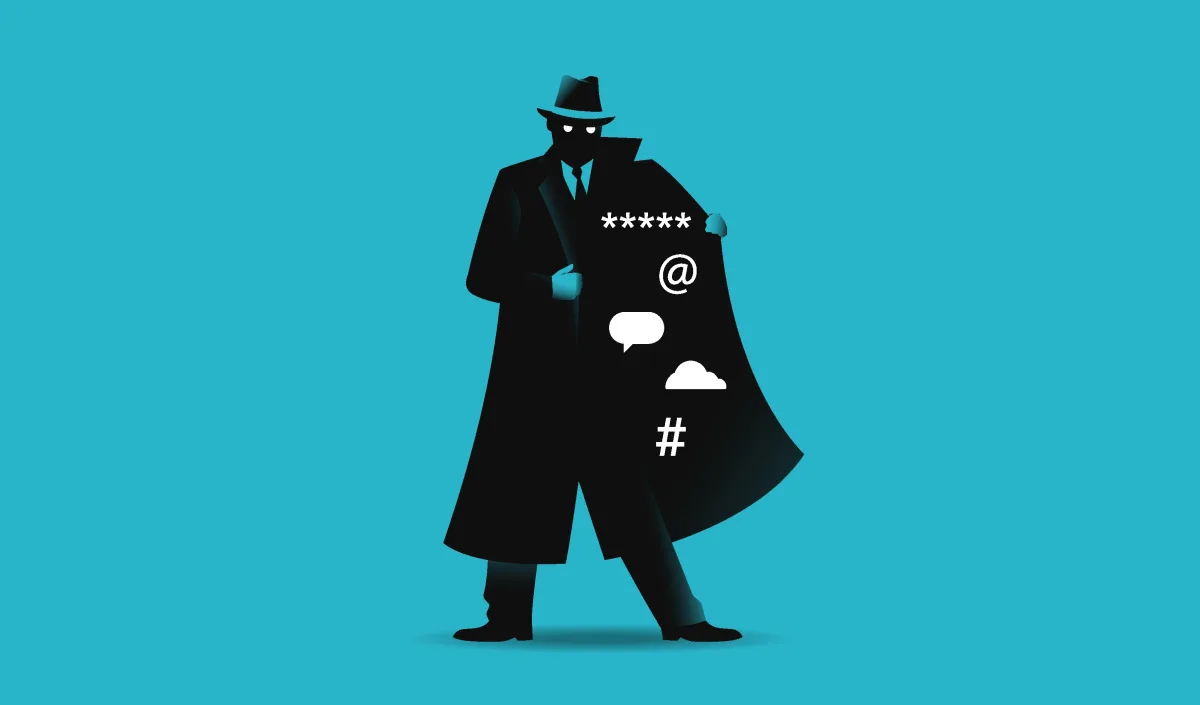
Image: TechCrunch · Source
Following a high-profile honey trap case involving Nvidia’s CEO, experts caution that nearly everyone in AI is susceptible to such social-engineering attacks leveraging personal relationships to access sensitive information.
As the repercussions of the alleged honey trap scandal involving Nvidia CEO Jensen Huang unfold, experts in cybersecurity and intelligence are raising alarms about a widespread vulnerability within the artificial intelligence sector. Aaron Brown, a former CIA officer and founder of Lumbra, told TechCrunch that counterintelligence training is virtually nonexistent in the tech world despite the fact that critical secrets now reside within companies developing AI models, chips, and infrastructure.
Traditionally, honey traps—schemes designed to compromise targets through personal relationships—have been associated with politicians or military personnel familiar with the risks and trained to resist such approaches. However, Brown emphasized that in today's tech ecosystem, a CEO or executive is a prime target due to their access to company roadmaps, export decisions, customer lists, and control over technology dissemination.
Jensen Huang has been accused of falling victim to such a scheme with Alice Huang, a former executive linked to a Singaporean cloud provider and alleged Chinese espionage activities involving illegal transfer of Nvidia chips. This case has sparked discussions about the broader vulnerability in Silicon Valley, extending beyond CEOs to anyone with access to sensitive data, including board members and executive assistants.
The oldest and most effective social engineering isn’t necessarily romantic entanglement but rather friendship or professional closeness. Attackers often infiltrate networks posing as investors, customers, recruiters, or consultants to build trust and gain insider information without raising suspicion. Perry Carpenter of KnowBe4 pointed out that the human factor—emotional bonds and comfort—is what ultimately enables these deceptions, despite advances in cybersecurity technology.
AI itself has ironically made honey-trapping simpler and more cost-effective. Malicious actors can now fabricate convincing fake personas, create realistic social profiles, backgrounds, and even simulate voice calls using AI, significantly reducing the time and effort required to plan sophisticated social attacks.
Experts advise heightened vigilance for unusual patterns such as repeated coincidental meetings, excessive curiosity about confidential matters, secrecy around meetings, and escalating requests for sensitive information. They also recommend maintaining clear boundaries between personal and professional spheres and fostering a corporate culture where employees feel empowered to question even the highest authorities. Brown noted that paranoia is unproductive, but awareness that one might be a target is critical.
As the AI industry rapidly becomes intertwined with national security interests, this emerging threat underscores the need for better counterintelligence measures tailored for the tech sector’s unique environment. The human susceptibility to manipulation—that desire to be understood and trusted—remains a fundamental challenge that technology alone cannot fix.
Sources and original reporting
Read the original source ↗
Comments (0)
No comments yet. Start the discussion.
Write a comment
Comments are published after moderation. Your name and comment will be visible publicly. Account