
Super-Hot Rock Geothermal Promises to Revolutionize Data Center Energy Supply
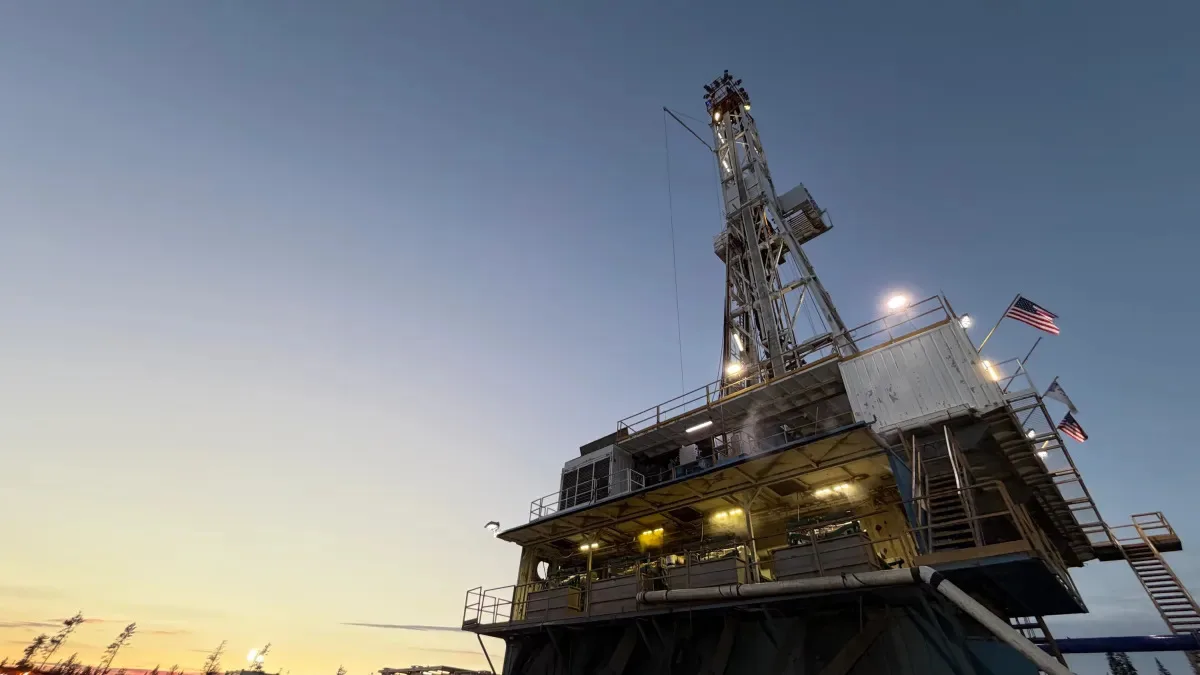
Image: TechCrunch · Source
Emerging geothermal startups are developing super-hot rock drilling technologies that could unlock vast clean energy resources, powering AI data centers and the electric grid with fewer wells and lower costs.
Geothermal energy is undergoing a significant transformation driven by startups focused on harnessing "super-hot rock" resources several miles beneath the Earth's surface. Unlike conventional geothermal, which taps relatively shallow hot water reservoirs, super-hot rock geothermal accesses extreme temperatures and pressures that turn water into supercritical fluid, capable of transporting much more energy. This new approach could dramatically increase electricity output per well to 15 megawatts or more.
Recent developments highlight the growing momentum in this sector. Quaise Energy announced a major partnership with Google, where the tech giant will pay over $500 million for 50 megawatts of power generated from a deep geothermal project in Oregon. Google's involvement follows a strategy of early investment in promising clean energy technologies, including prior support for geothermal firm Fervo Energy.
Startups are taking different technological paths to solve the key engineering challenges. Quaise plans to use a novel drilling system that employs gyrotron-generated millimeter-wave radiation to convert super-hot rock into ash, overcoming the limits of traditional drill bits that degrade quickly at high temperatures.
In contrast, Mazama Energy, backed by Vinod Khosla and others, has developed a method called Carbon Chill that uses supercritical carbon dioxide instead of water to cool drill bits at depth, enabling conventional drill technology to operate effectively in extreme conditions. This innovative cooling not only protects equipment but also enhances drilling speed and efficiency.
The Department of Energy is also supporting efforts like XGS Energy’s research into materials and well designs optimized for super-hot rock environments, reflecting growing public sector interest.
These advances could reduce drilling needs — a major cost in geothermal projects — by extracting more power from fewer wells, thus improving economic viability. Early results are promising: Mazama’s second well was drilled 80% faster than its first, with the CO2 cooling tech further cutting time by 20%.
Investors have responded enthusiastically, with Quaise raising over $270 million and Mazama $171 million from venture firms and notable individuals including Bill Gates. While technical and commercial risks remain, the technology's initial successes and substantial financial backing indicate that super-hot rock geothermal could play a pivotal role in meeting the immense energy demands of the future, including powering AI data centers more sustainably and reliably.
Sources and original reporting
Read the original source ↗
Comments (0)
No comments yet. Start the discussion.
Write a comment
Comments are published after moderation. Your name and comment will be visible publicly. Account