
Apple's American Manufacturing Program: Practical Impact on iPhone Duo and iPhone 18 Pro Production and Use
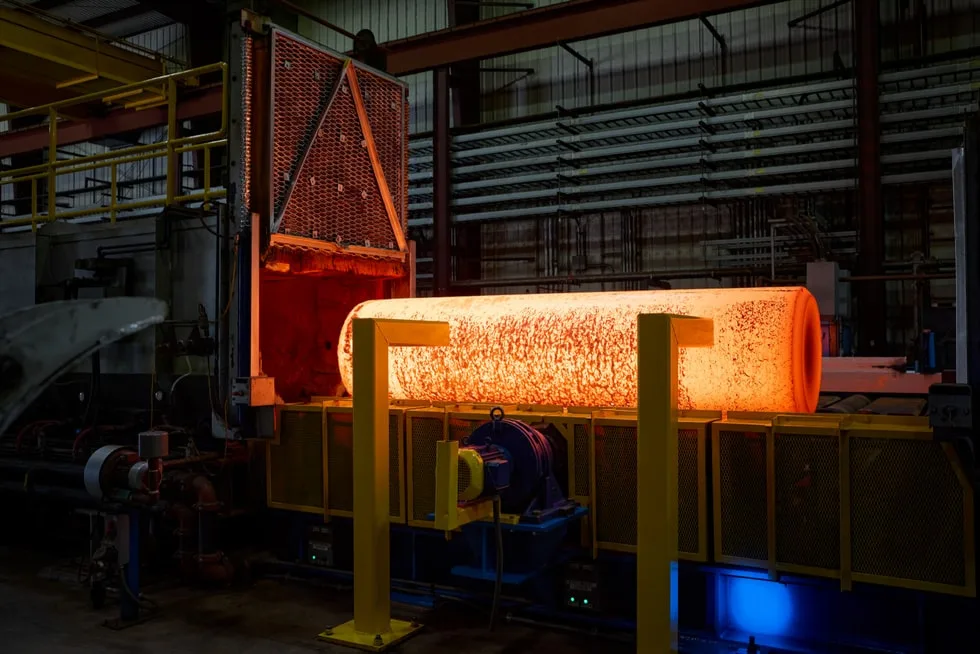
Image: Official product photography / Apple · Source
Apple's American Manufacturing Program enhances the production of iPhone Duo and iPhone 18 Pro by partnering with U.S. suppliers to produce critical materials and components. This review examines the manufacturing contributions, device design implications, and practical use scenarios shaped by these developments.
Physical Design and Material Manufacturing Partnerships
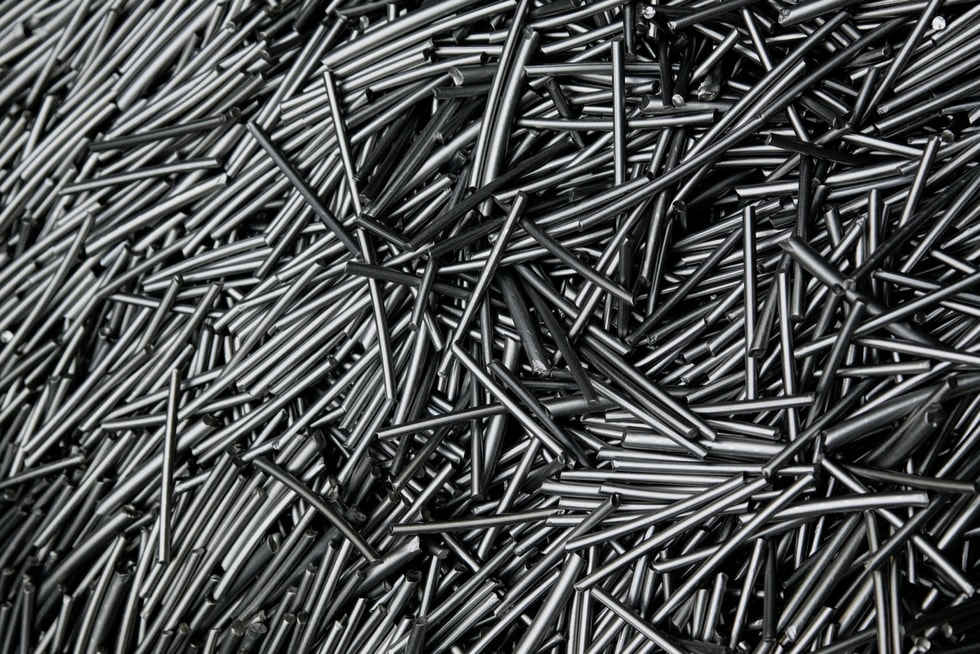
Apple's 2026 iPhone lineup includes the innovative iPhone Duo foldable phone and the iPhone 18 Pro featuring advanced camera technology. A key physical design aspect of the iPhone Duo is its enclosure crafted from grade 5 titanium supplied by Perryman Company, a Pennsylvania-based titanium producer. This titanium alloy is recognized for exceptional strength and durability, making it well-suited to the mechanical demands of a foldable smartphone. Perryman processes this titanium with at least 80% recycled content at its Houston, Pennsylvania facility. The strong titanium enclosure aims to enhance device robustness and lifespan.
Complementing the physical design, the iPhone 18 Pro integrates critical camera components produced domestically by Qnity Electronics in Delaware. Qnity manufactures advanced films crucial to the iPhone 18 Pro’s new variable aperture camera system, marking a significant domestic contribution to the device’s core photographic hardware.
Interface Features and Functional Enhancements
The iPhone 18 Pro’s camera system centers on a 48MP Fusion Main sensor equipped with a variable aperture mechanism. This new capability allows the camera to regulate the amount of light entering the lens dynamically, powered by on-device intelligence that automatically adjusts aperture settings for optimal exposure and depth control. Users benefit from enhanced image clarity and detail in a wide range of lighting conditions without manual adjustments.
This technology’s physical components, including the advanced films that facilitate variable aperture functionality, are produced in the United States, exemplifying Apple's commitment to domestic manufacturing and technological innovation.
Component Sourcing and Manufacturing Footprint
Nearly 100 components within the iPhone Duo and iPhone 18 Pro are produced by American companies across more than a dozen states. Notable partnerships include Broadcom in Colorado, expanding production of advanced radio frequency components used in Apple products; Corning in Kentucky, producing specialty glass such as the Ceramic Shield cover glass for iPhone Duo and Apple Watch; and Coherent in Texas, supplying vertical-cavity surface-emitting laser technology essential for Face ID and user interface elements like the Dynamic Island on the iPhone 18 Pro models.
TSMC’s Arizona fabrication facility produces over 100 million advanced semiconductor chips for Apple annually, supporting iPhone, iPad, and Apple Watch products. Additionally, Amkor Technology is constructing a high-volume packaging and testing site in Arizona that will further expand U.S.-based Apple component manufacturing capacity.
Environmental and Supply Chain Commitments
Apple requires all direct suppliers in the American Manufacturing Program to transition to renewable energy sources for production by 2030, supporting the company's carbon neutrality goal across its footprint. The inclusion of recycled materials, such as Perryman's recycled-content titanium, further underscores Apple’s broader environmental commitments within its supply chain.
American Manufacturing Program and Training Center
To bolster the domestic manufacturing ecosystem, Apple opened its Advanced Manufacturing Center (AMC) in Houston, Texas. This 20,000-square-foot facility provides training to small and medium U.S. businesses on Apple’s manufacturing methods, including principles for assembly and printed circuit board design. The AMC operates within a facility that already produces Apple’s AI servers and will begin Mac mini manufacturing, promoting workforce development and scalability of American manufacturing capabilities.
Everyday Functionality Implications
The use of durable grade 5 titanium in the iPhone Duo supports the physical stresses of foldable phone use, offering users enhanced device resilience and prolonged aesthetic integrity. This material choice may mitigate common concerns regarding foldable device longevity.
In daily use, the iPhone 18 Pro’s variable aperture camera system delivers improved photographic results through intelligent light adaptation, benefiting users by reducing the need for manual adjustment or extensive image editing under varying lighting conditions.

Example Workflow: Mobile Photography Enthusiast Using iPhone 18 Pro
User: An individual seeking versatile, high-quality photography capabilities without complex manual interventions.
Prerequisites: Ownership of an iPhone 18 Pro with current iOS updates and familiarity with basic camera app functions.
Steps: The user composes shots normally, relying on the default or manual camera mode as preferred. The variable aperture system automatically adjusts light intake and focus to optimize image quality.
Successful Deployment: Photographs exhibit balanced exposure, fine details, and accurate depth regardless of lighting, aiding in reduced need for manual adjustments.
Limitations: Extremely specialized lighting conditions may still require manual camera controls; users should consult official Apple documentation for camera feature specifics.
Example Workflow: User Demanding Durable Foldable Device Deployment
User: A technology professional who desires the foldable form factor with robust build materials.
Prerequisites: Access to the iPhone Duo and knowledge of foldable device handling best practices.
Steps: The user unfolds and folds the device throughout daily operations, using it for communication and media consumption as standard.
Successful Deployment: The device maintains its structural integrity and premium appearance over time without enclosure degradation.
Limitations: Despite durable materials, foldable devices still necessitate careful handling; users should review warranty and care instructions for maintenance guidelines.
Example Workflow: Supply Chain Developer Assessing American Component Integration
User: A manufacturing analyst or supply chain manager investigating U.S.-based component sourcing for resilience and compliance.
Prerequisites: Access to Apple’s American Manufacturing Program details and supplier information.
Steps: The analyst reviews current American suppliers involved in the iPhone Duo and iPhone 18 Pro production, assesses production capacities, and evaluates environmental compliance against Apple’s standards.
Successful Deployment: Integration of vetted U.S.-made components that satisfy Apple’s innovation, sustainability, and technical requirements ensuring supply chain robustness.
Limitations: Capacity scaling and component availability may fluctuate; continuous liaison with Apple and suppliers is advised for current status.
Example Workflow: Small Business Manufacturing Training Participation
User: Operator or engineer of a small to medium manufacturing business seeking to expand capabilities for Apple product component production.
Prerequisites: Enrollment or invitation to Apple’s Advanced Manufacturing Center training program and relevant facility capabilities.
Steps: Attend the AMC training sessions covering advanced manufacturing principles, final assembly processes, and printed circuit board design considerations. Implement learned processes in own manufacturing environment.
Successful Deployment: Improved manufacturing methods produce components meeting Apple’s quality and specification standards, enabling integration into the American Manufacturing Program supply chain.
Limitations: Requires adherence to Apple’s strict technical and environmental standards; facility upgrades or capital investment may be necessary.
Compatibility, Security, and Maintenance
The domestically produced silicon and components embedded in these devices maintain compatibility and security as per Apple’s established ecosystem standards. Users receive routine software and security updates consistent with prior Apple products. The increased durability from materials like grade 5 titanium may translate to lower repair rates; however, foldable devices generally require specialized servicing considerations.
Product Fit and Market Position
The iPhone Duo targets consumers eager for foldable technology with premium durability, benefiting from American titanium manufacturing. The iPhone 18 Pro appeals to those prioritizing cutting-edge camera capabilities enhanced by domestic advanced materials. These devices fit users and stakeholders valuing American manufacturing expansion, sustainability, and job creation. The complexity and scale of these manufacturing programs may limit immediate participation for smaller or less equipped suppliers.
Summary
Apple’s American Manufacturing Program tangibly influences the iPhone Duo and iPhone 18 Pro by incorporating key U.S.-produced materials like grade 5 titanium and advanced camera components, enhancing device durability and photographic performance. These efforts reflect Apple’s integration of sustainability goals and workforce development in the U.S. The resulting products offer users durable design and innovative camera technology rooted in domestic advanced manufacturing. This review is based solely on Apple's official announcement dated October 20, 2026, without independent testing or performance evaluation.
Sources and original reporting
Read the original source ↗
Comments (0)
No comments yet. Start the discussion.
Write a comment
Comments are published after moderation. Your name and comment will be visible publicly. Account