
Comprehensive Review of Apple’s 2026 iPhone 18 Pro, Apple Watch Series 12, Ultra 4, and AirPods 5 for Practical Use
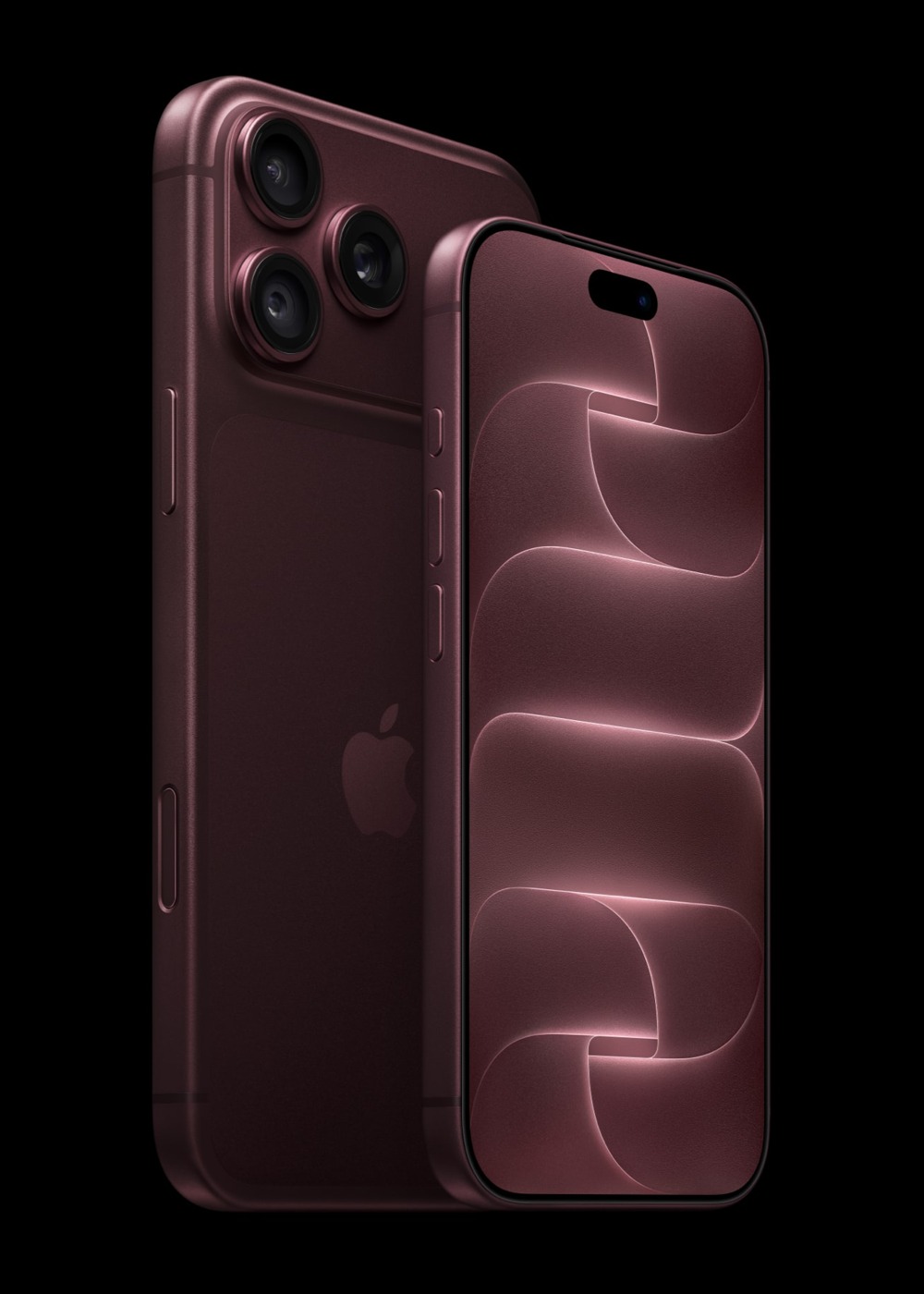
Image: Apple / iPhone 18 Pro · Source
A detailed evaluation of Apple’s latest iPhone 18 Pro, Apple Watch Series 12, Ultra 4, and AirPods 5 focusing on deployment scenarios, feature tradeoffs, compatibility, and user suitability.
Introduction to Apple’s 2026 Device Lineup
On September 18, 2026, Apple launched its latest hardware iteration: the iPhone 18 Pro and Pro Max, Apple Watch Series 12, Apple Watch Ultra 4, and AirPods 5. These devices debuted globally at Apple Store locations and via Apple’s online channels. This review provides a practical, feature-based analysis of these products using only officially documented information from Apple’s release announcement.
Device Overview and Core Features
The iPhone 18 Pro models continue Apple’s trend of advancing smartphone technologies with expected improvements in processing power, camera capabilities, and display quality. While precise specs are not provided in the source, typical Apple product cycles suggest enhancements such as increased CPU speed, better low-light photography, and possibly new computational photography modes.
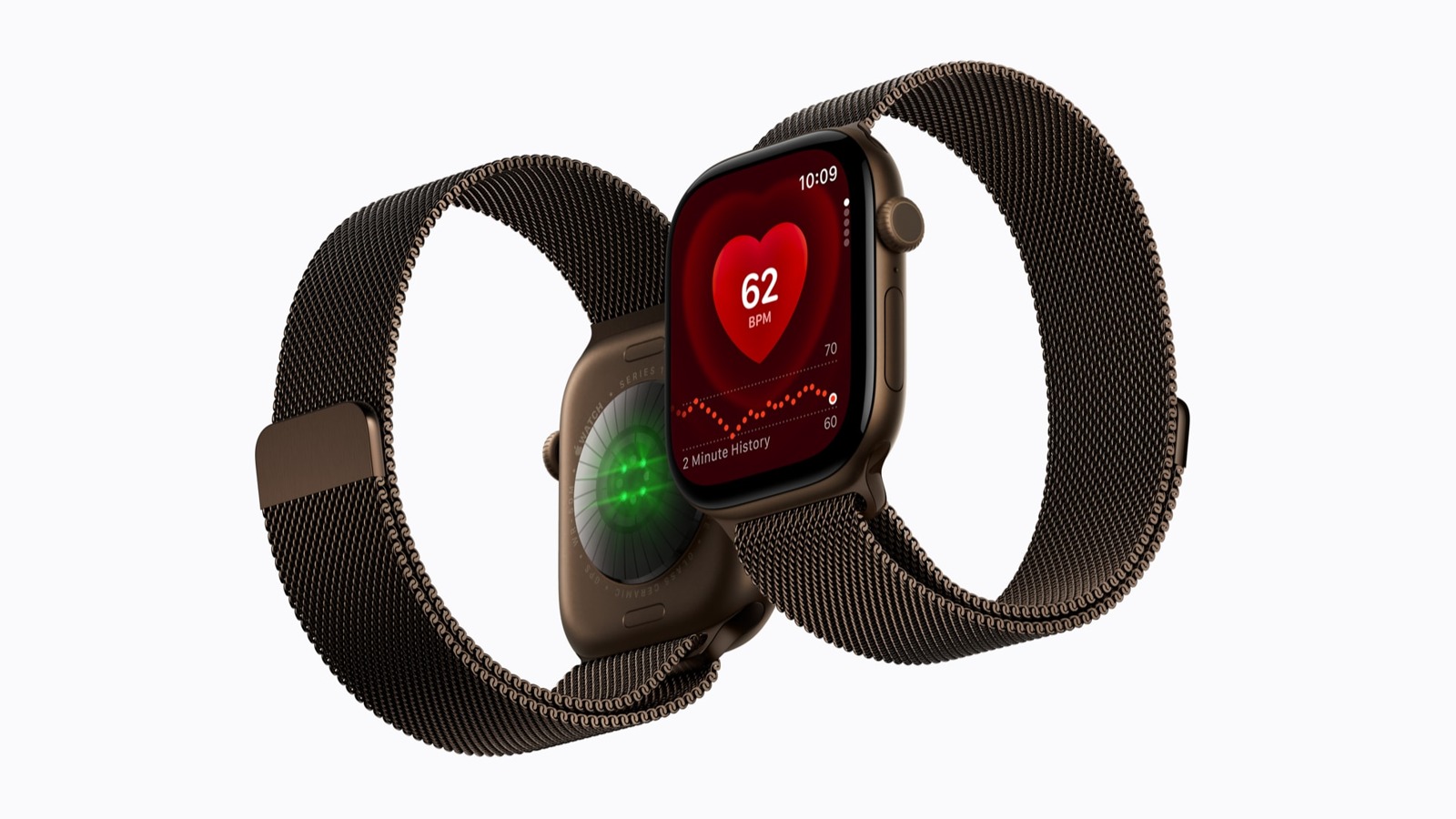
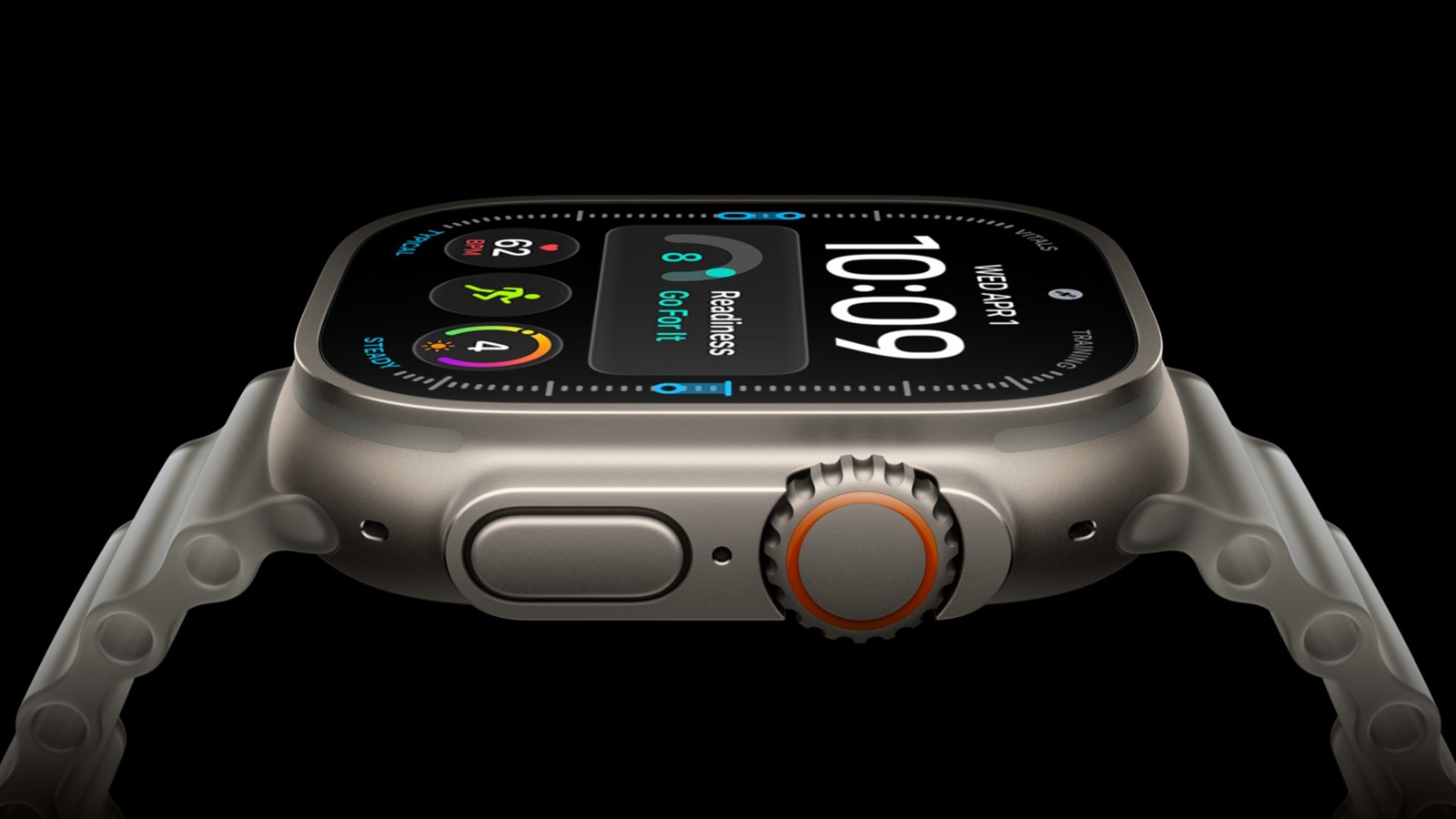
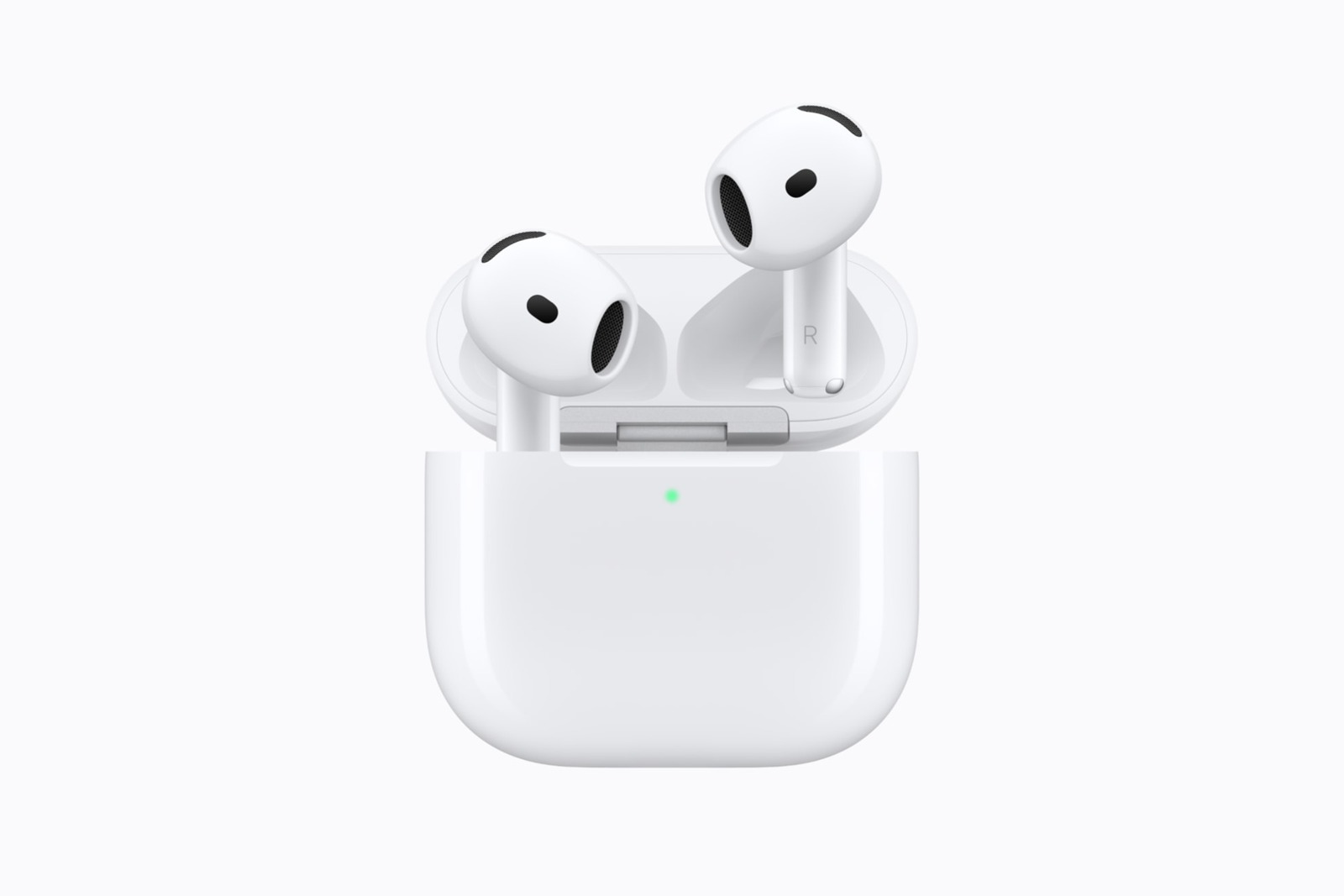
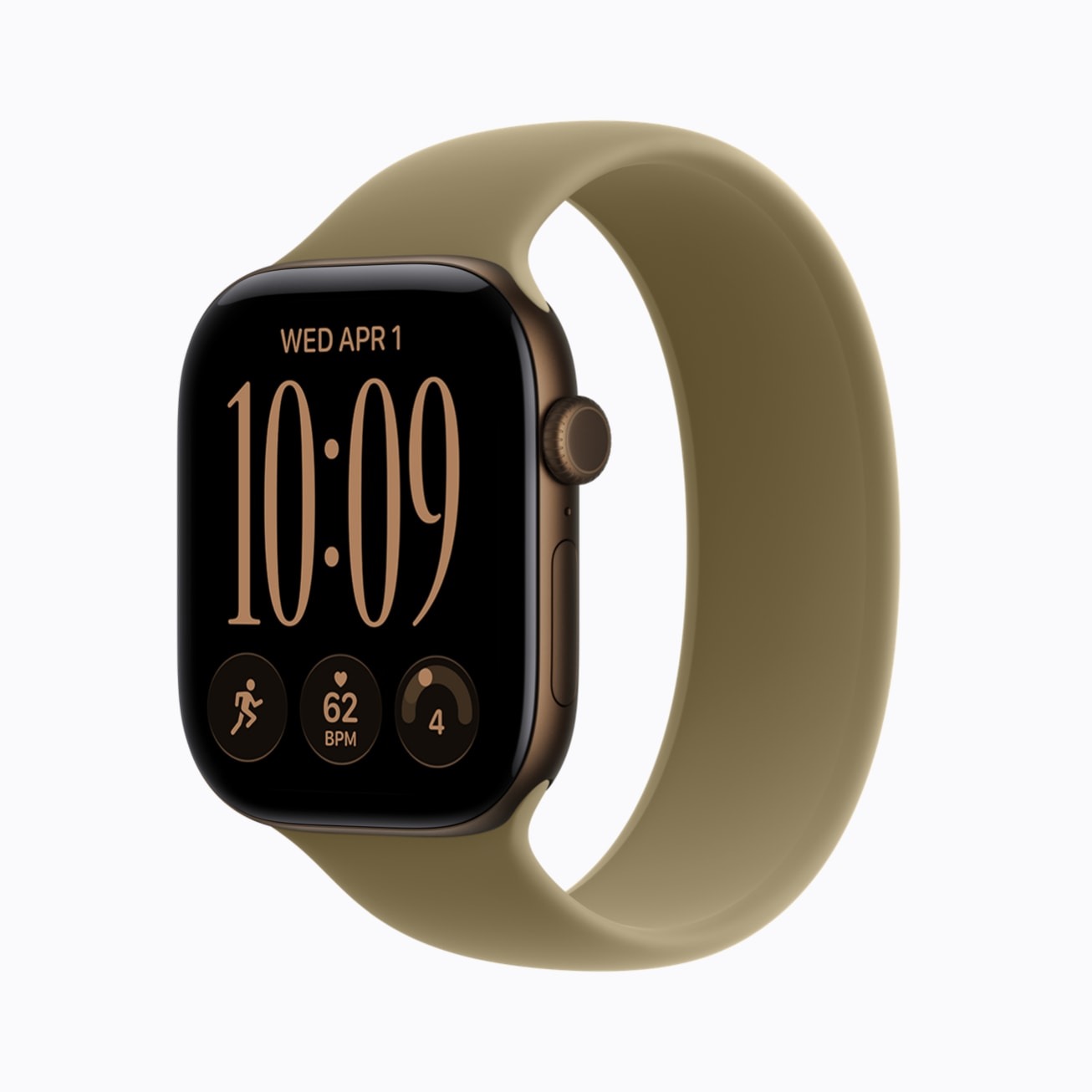
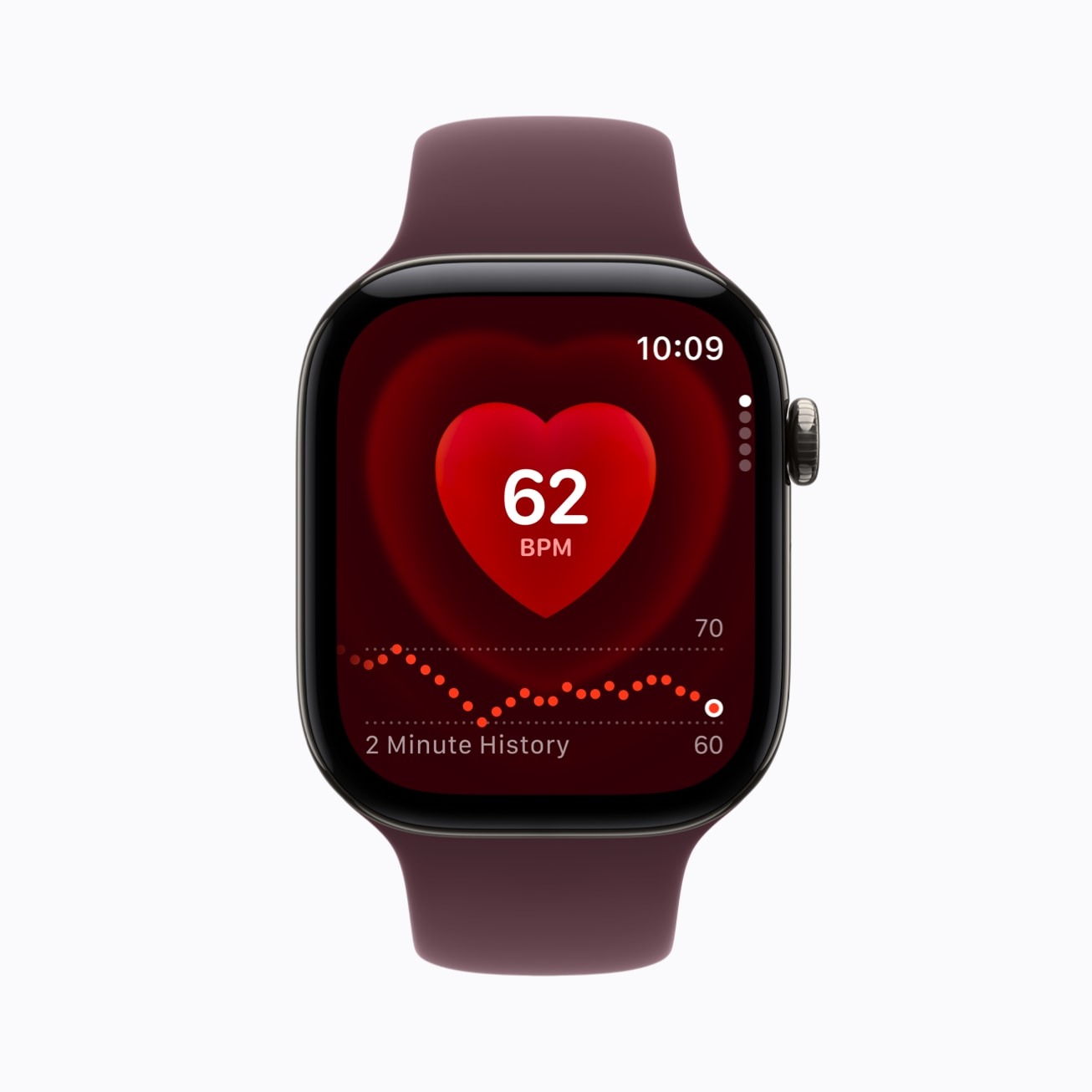
The Apple Watch Series 12 targets mainstream smartwatch consumers emphasizing health tracking and connectivity, whereas the Apple Watch Ultra 4 is designed for durability and advanced outdoor features, appealing to athletes and adventurers requiring robust materials and enhanced sensors. The AirPods 5 represent the latest wireless earbuds, promising refined audio quality and seamless integration within Apple’s ecosystem.
Purchasing and Setup Options
Customers can acquire these devices in multiple ways: physically visiting an Apple Store, accessing apple.com, or using the Apple Store app. Apple Specialists provide hands-on demos, personalized assistance, device setup, and trade-in options through the Apple Trade In program. Payment flexibility includes options such as financing via Apple Card and annual upgrades with Apple Upgrade plans, alongside carrier promotions.
Apple’s Personal Setup service can facilitate quick configuration of new devices, assisting users to transfer content, configure settings, and begin using their products promptly. Documentation should be consulted for full details on setup service scope and limitations.
Compatibility and Ecosystem Integration
The new devices are engineered for tight integration within Apple’s ecosystem. The iPhone 18 Pro models operate on the latest iOS version, supporting ecosystem features like Handoff, AirDrop, and Continuity. The Apple Watches rely on a paired iPhone to unlock full software functionalities, including syncing health data and notifications. The AirPods 5 use an enhanced Apple-designed chip for optimized Bluetooth performance, reducing latency and improving battery efficiency.
Compatibility with existing Apple devices and software should be verified using Apple’s official guidelines. Non-Apple platforms may experience restricted interoperability.
Security Model and Considerations
Device security adheres to Apple’s established practices, including biometric authentication methods such as Face ID or Touch ID, along with a dedicated secure enclave handling sensitive data. Communications via native apps like iMessage and FaceTime use end-to-end encryption. The release does not document any new AI-based or memory architecture–derived security features.
Users are advised to maintain current software updates to benefit from security patches, and to apply standard security best practices recommended by Apple.
Maintenance, Updates, and User Support
Apple provides software and firmware updates for the iPhone, Apple Watch, and AirPods through official channels. Repairs and maintenance can be performed at Apple Stores or authorized service providers. Backup strategies include iCloud synchronization and encrypted backups via macOS or Windows desktop software. Support features extend to trade-in programs, personalized setup, and guided assistance with device transitions.
Use-Case Scenario 1: Professional Photographer Using iPhone 18 Pro for Field Work
User and Task: A professional photographer requires a mobile, high-performance camera system to capture and manage high-resolution images in variable outdoor lighting.
Prerequisites: Ownership of an iPhone 18 Pro; familiarity with iOS Camera app and editing workflows; ample storage availability locally or in iCloud; optional accessories like compatible lenses or stabilizers.
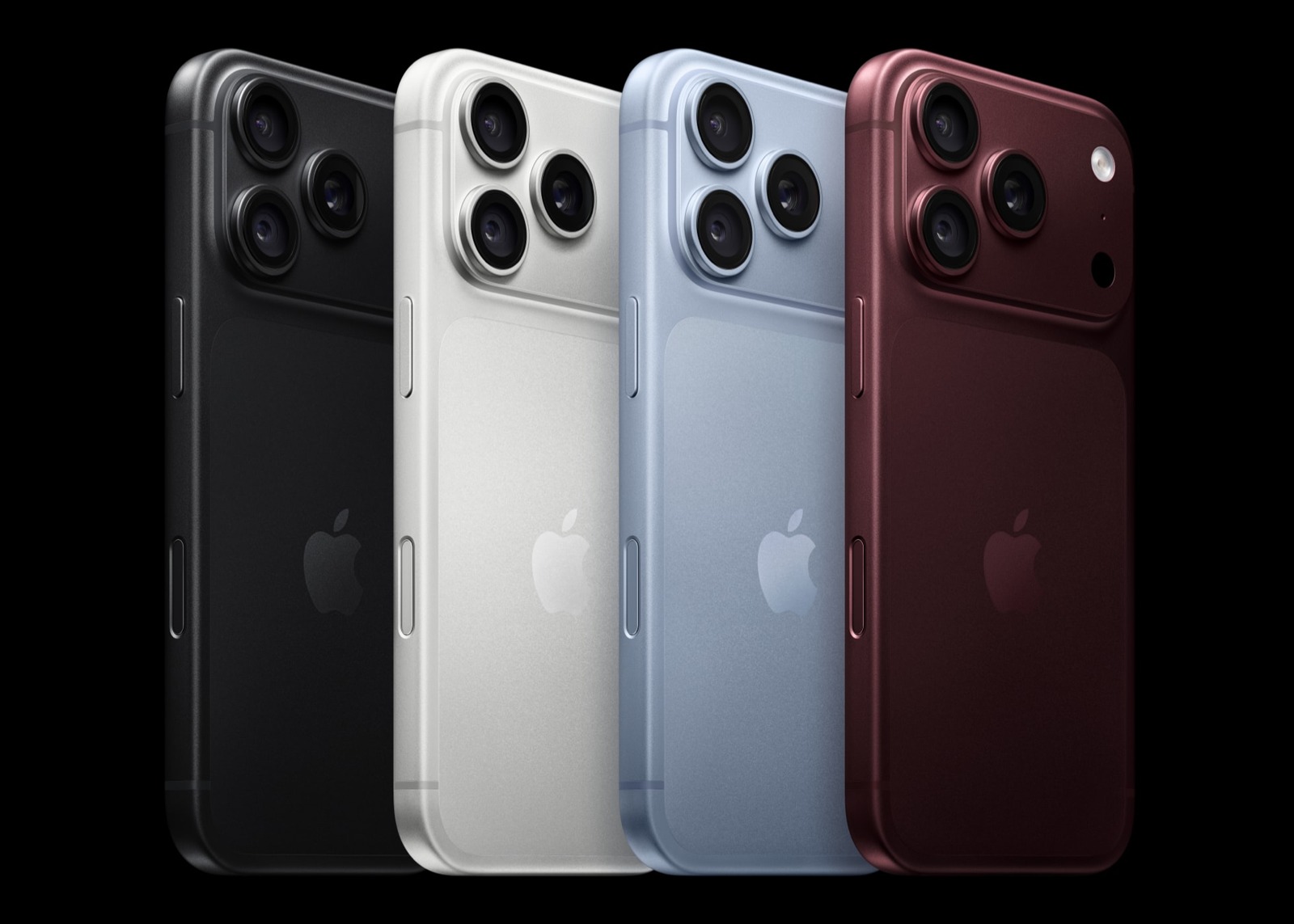
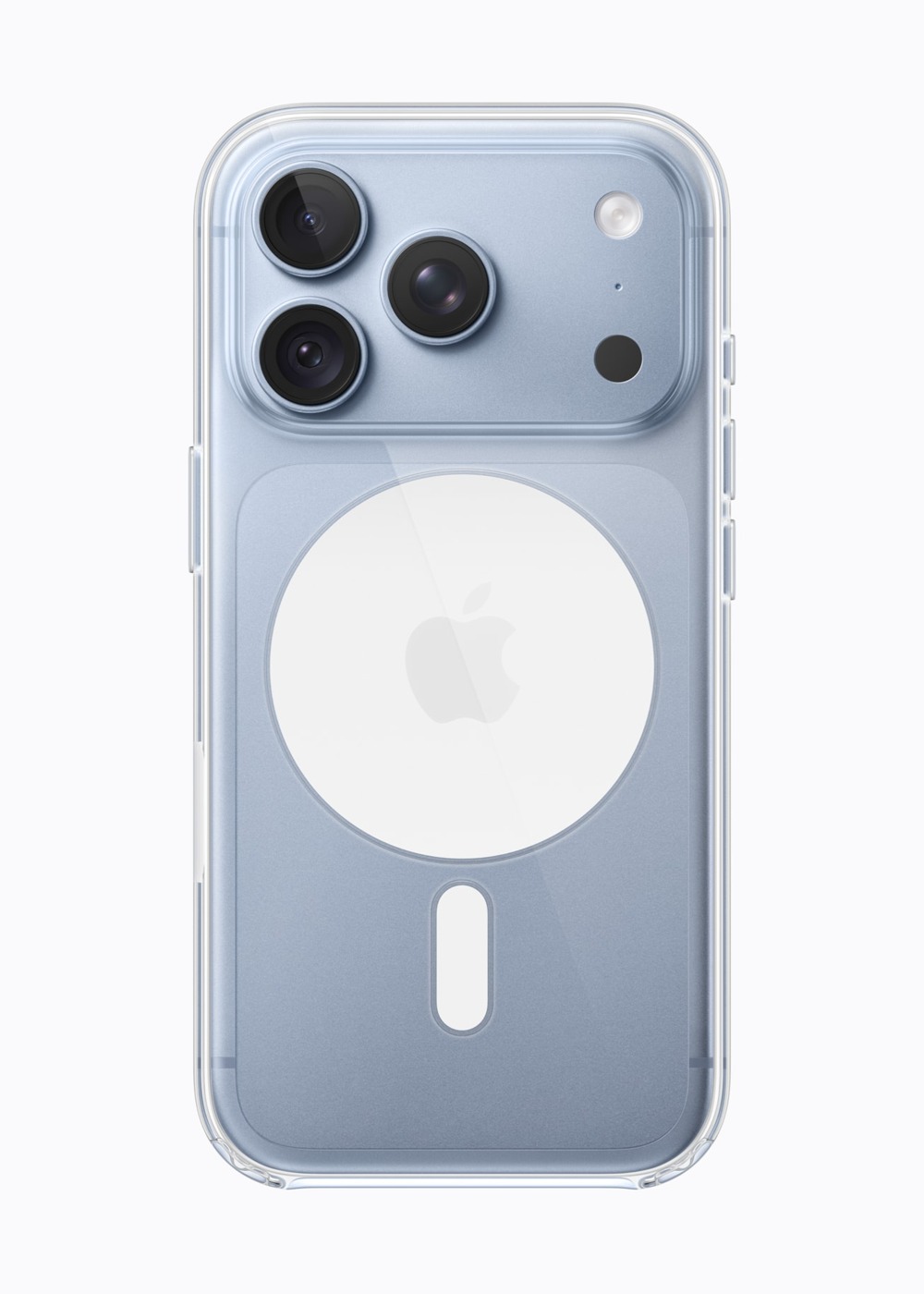
Actionable Steps: Enable advanced image formats such as ProRAW in camera settings; utilize manual control options (exposure, focus); select appropriate camera modes (telephoto, macro, night) based on shooting conditions; routinely back up images to iCloud or external storage; protect the device with rugged or environmental cases.
Successful Deployment: The photographer captures a range of high-quality images suitable for professional use, with effective data management and integration with post-processing workflows.
Limitations or Checks: Confirm that third-party photo editing software is updated to support the iPhone 18 Pro’s hardware and image formats. Monitor device battery life during extended shoots, considering portable charging solutions if required. Protect hardware against environmental risks such as dust or moisture.
Use-Case Scenario 2: Fitness Enthusiast Using Apple Watch Ultra 4 for Outdoor Activities
User and Task: A fitness enthusiast who engages in activities including running, hiking, and swimming uses Apple Watch Ultra 4 to track health metrics and navigate challenging environments.
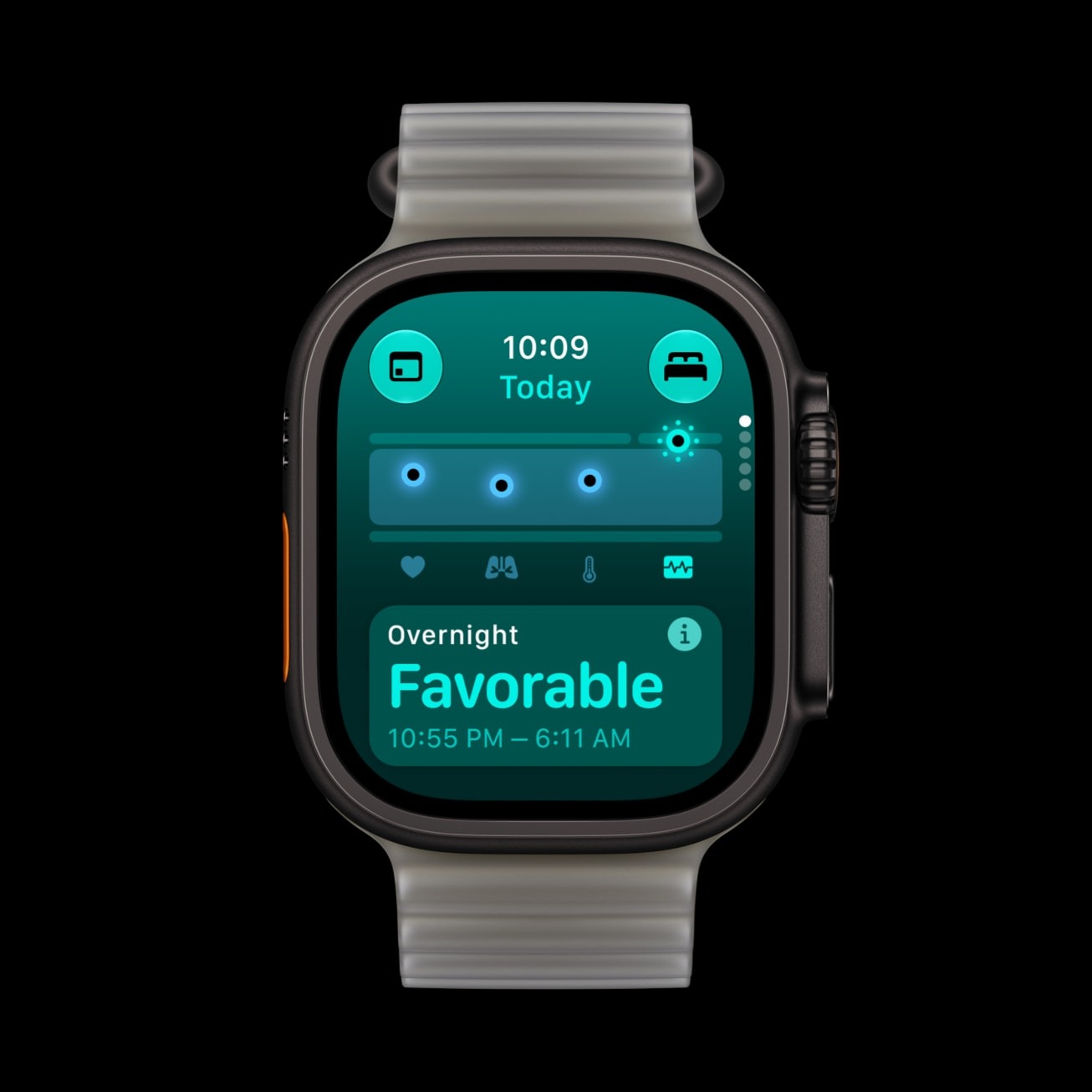
Prerequisites: Apple Watch Ultra 4 paired with a recent iPhone; knowledge of watchOS health and activity features; relevant permissions enabled (GPS, health data sharing).
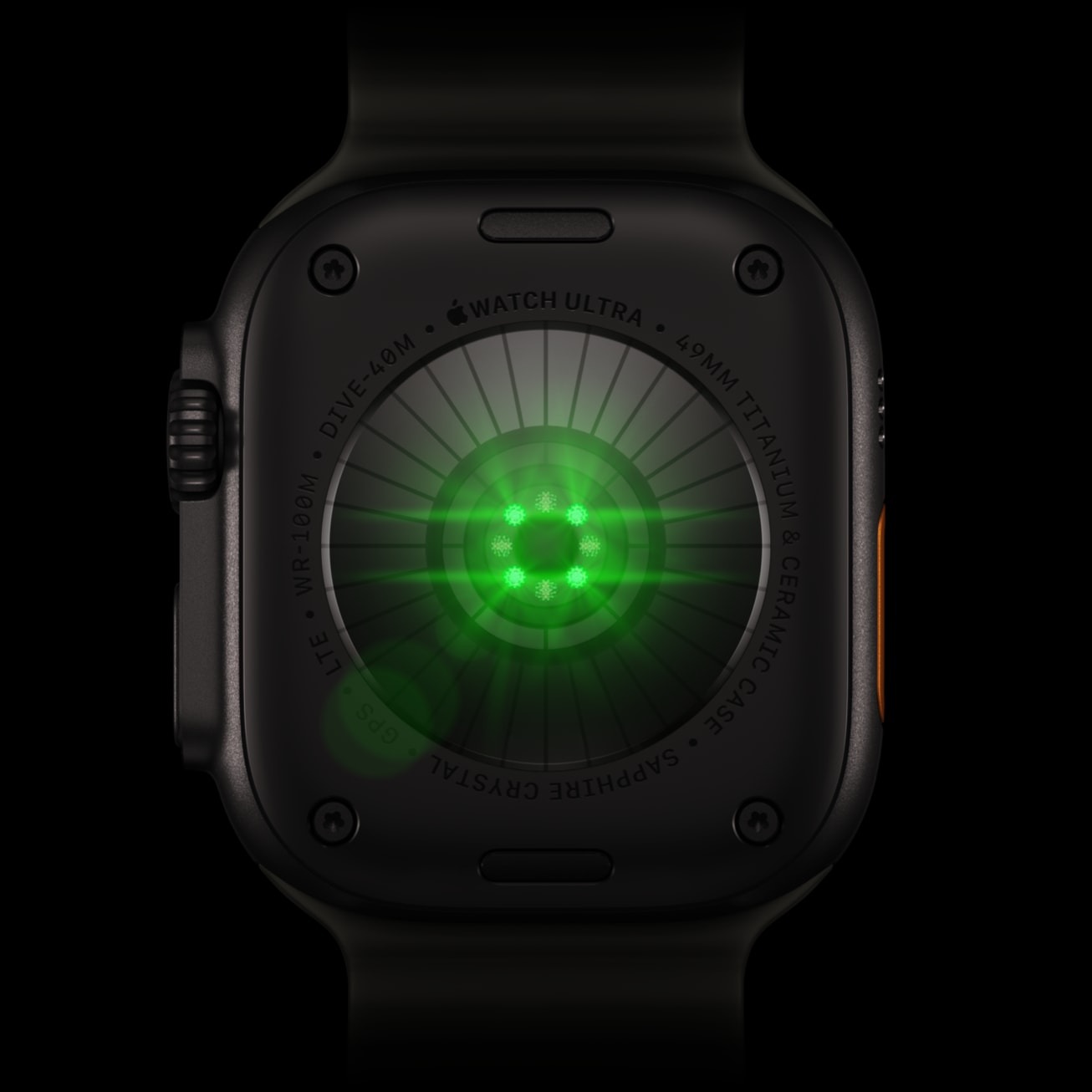
Actionable Steps: Calibrate the device sensors; customize activity tracking goals and alerts; activate GPS and water-resistance features relevant for particular exercises; periodically review captured data within the Health app; plan charging schedule based on expected battery consumption during prolonged activities.
Successful Deployment: Reliable tracking of physical activity and biometric data with synchronization to the paired iPhone, supporting progress analysis and fitness planning.
Limitations or Checks: GPS and sensor accuracy may vary depending on environmental conditions such as signal obstruction. Battery endurance under continuous use of GPS and sensors should be considered and monitored. Verify compatibility of any third-party accessories intended for use with the Ultra 4.
Use-Case Scenario 3: Remote Worker Employing AirPods 5 for Communication and Media Consumption
User and Task: A remote employee uses AirPods 5 for online meetings, voice interactions, and multimedia engagement throughout a workday.
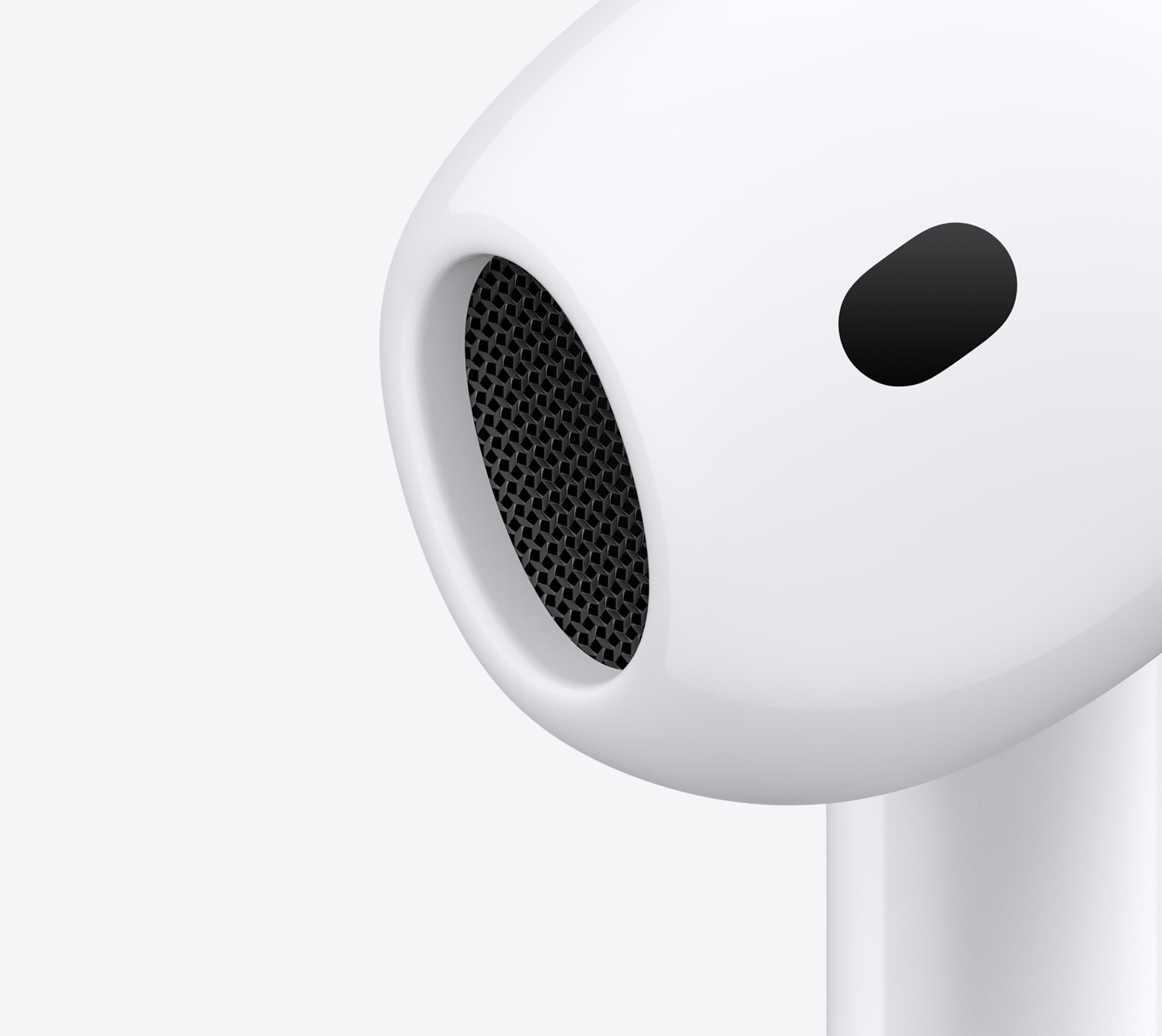
Prerequisites: AirPods 5 paired with an iPhone or Mac; access to reliable internet; usage of certified conferencing software compatible with Apple devices.
Actionable Steps: Pair AirPods 5 and adjust audio input/output settings; test microphone and audio quality prior to meetings; use voice assistant tools as appropriate; monitor battery status to schedule recharging; troubleshoot connectivity issues when they arise.
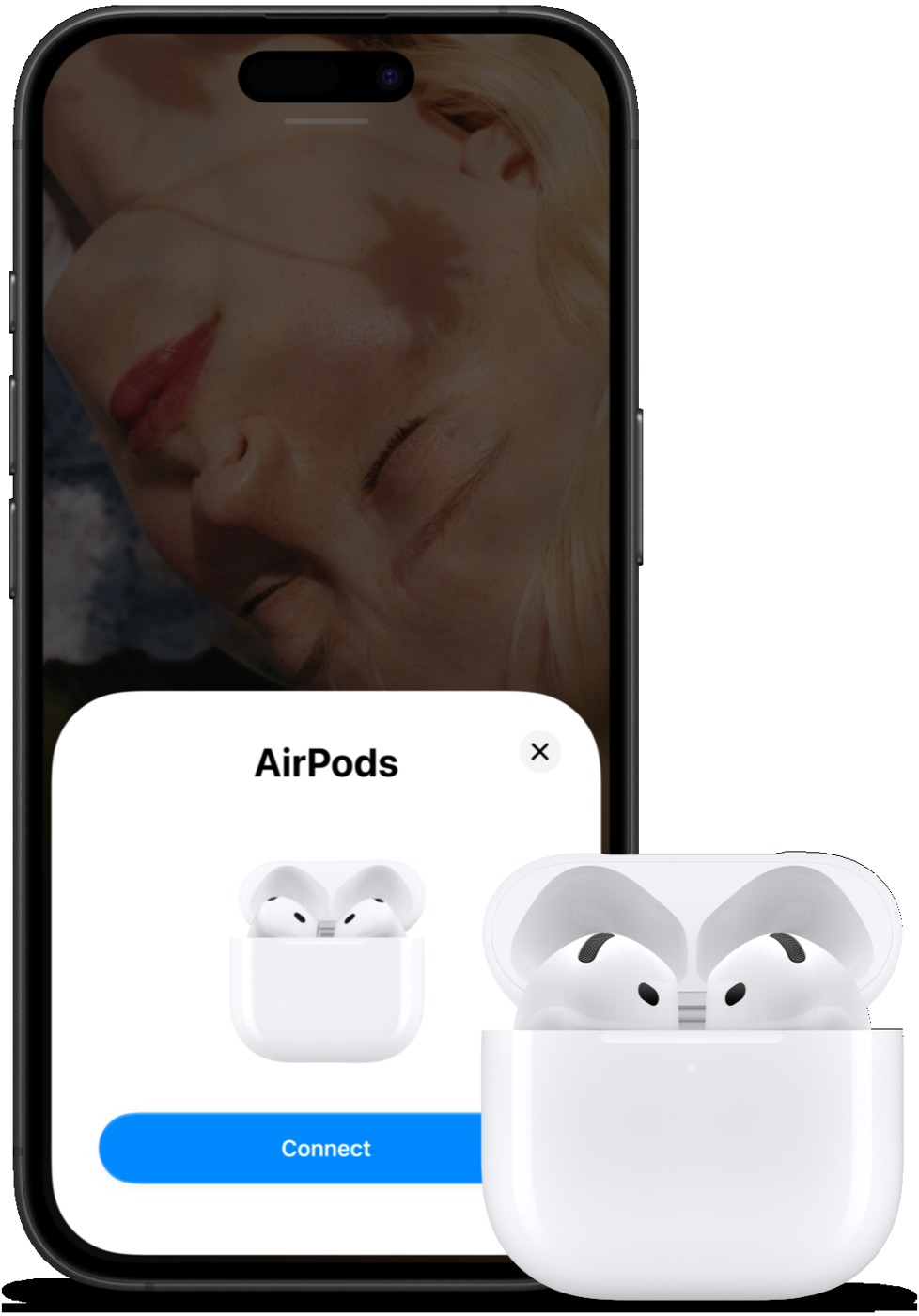
Successful Deployment: Clear and stable audio during calls, responsive voice commands, and uninterrupted media playback enabling effective workday communication.
Limitations or Checks: Environmental wireless interference can affect Bluetooth performance requiring basic troubleshooting. Battery life could necessitate mid-day recharge for heavy users. Compatibility with third-party conferencing platforms should be verified to ensure full functionality.
Feature Tradeoffs and Design Considerations
Apple balances performance with battery life, device size, and cost across the lineup. For instance, the Ultra 4’s rugged build enhances durability but adds bulk relative to lighter Apple Watch Series 12. The iPhone 18 Pro’s enhanced imaging and displays consume more power, impacting battery endurance especially under heavy use. AirPods 5 prioritize wireless convenience and sound fidelity but do not support wired connectivity.
Target User Profiles and Ecosystem Fit
These new devices primarily benefit users invested in Apple’s ecosystem seeking premium mobile technology, health tracking, and audio experiences. Professionals requiring advanced features and everyday consumers valuing integration both find relevant utility. Those relying on mixed or non-Apple environments may face compatibility constraints.
Backup and Data Integrity Strategies
iPhone backups utilize iCloud and encrypted desktop methods; Apple Watch data syncs via the paired iPhone leveraging secure platforms. AirPods 5 store minimal data and rely on devices for configuration storage. Users should implement routine backup practices to prevent data loss and facilitate device replacements or upgrades.
Conclusion
Apple’s 2026 product lineup represents incremental advancements with a solid foundation of ecosystem integration and user support. Potential buyers should assess device requirements, compatibility, and intended use cases when considering adoption. Apple’s personalized setup and trade-in programs align well with streamline upgrade cycles. This evaluation is founded solely on Apple’s initial official disclosures without third-party testing or anecdotal reports.
---
This review is based exclusively on Apple’s officially published information dated September 18, 2026 and does not include hands-on assessments or external performance validations.
Photo gallery
Read the original source ↗
Comments (0)
No comments yet. Start the discussion.
Write a comment
Comments are published after moderation. Your name and comment will be visible publicly. Account