
Apple's American Manufacturing Program Elevates the iPhone Duo and iPhone 18 Pro with Domestic Advanced Components and Materials
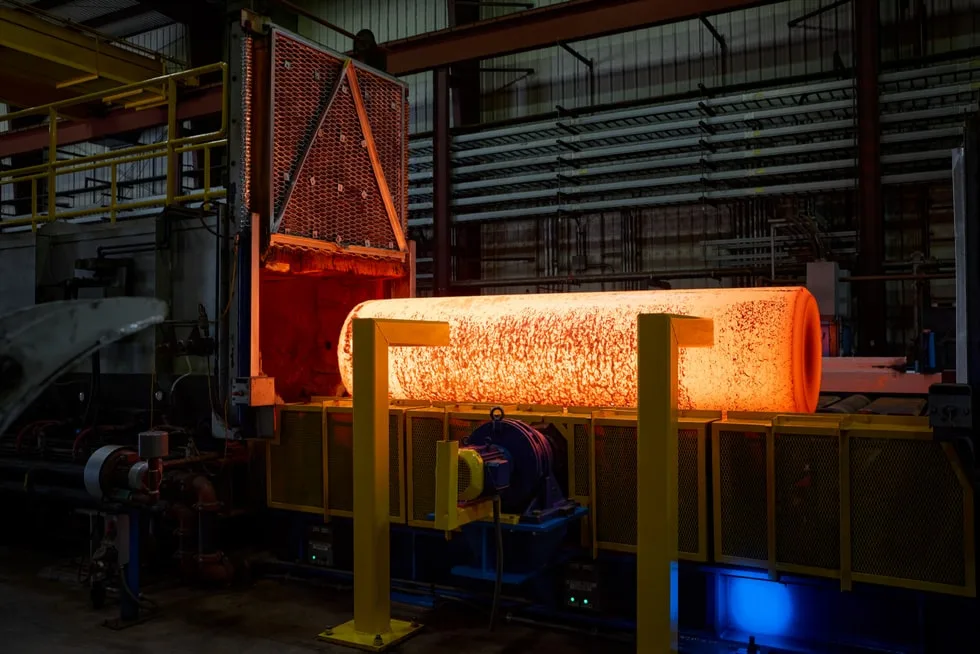
Image: Official product photography / Apple · Source
Apple’s latest iPhone Duo and iPhone 18 Pro feature significant contributions from American suppliers under the expanded American Manufacturing Program, integrating domestically produced titanium, advanced camera components, and numerous other parts to strengthen U.S. manufacturing jobs and innovation.
Overview of Apple's American Manufacturing Initiative
Apple’s American Manufacturing Program (AMP) deepens the company’s commitment to integrating domestic manufacturing into its latest flagship iPhones — the foldable iPhone Duo and the iPhone 18 Pro. This initiative reflects Apple’s broader $600 billion, four-year investment aimed at fostering U.S. innovation and securing a robust supply chain within the country. By partnering with American firms to produce critical materials and components, Apple combines advanced manufacturing with product design and sustainability goals.
Physical Design and Material Innovation in iPhone Duo
The iPhone Duo distinguishes itself with an enclosure crafted from grade 5 titanium, sourced from Perryman Company in Pennsylvania. This material replaces earlier models’ aluminum or stainless steel frames and delivers superior strength and durability crucial for the foldable design’s dynamic mechanical demands. Importantly, Perryman’s titanium contains at least 80 percent recycled content, aligning with Apple's environmental commitment to increased recycled materials. Apple’s commitment of up to $100 million over three years to Perryman underscores the strategic value of titanium in housing the industry’s first foldable iPhone.
Advanced Camera Technology in iPhone 18 Pro
At the core of the iPhone 18 Pro is a revolutionary 48MP Fusion Main camera featuring a variable aperture system, the most advanced camera Apple has integrated to date. This variable aperture dynamically adjusts to lighting and depth conditions, enhancing detail clarity in bright scenes and maximizing light intake in darker environments, guided by on-device computational intelligence.
This optical innovation depends heavily on advanced films manufactured by Qnity Electronics of Delaware, an AMP participant. Qnity’s role in producing these specialty components reflects a significant domestic contribution to what is often a globalized camera technology supply chain.
Component Sourcing and Assembly Footprint
The iPhone Duo and iPhone 18 Pro collectively incorporate nearly 100 components produced by American companies across more than a dozen states. These include wireless chips and vital silicon parts integral to the devices’ functionality. For example, Broadcom’s Fort Collins, Colorado, facility manufactures advanced radio frequency components under a $1.5 billion expansion, while Corning in Kentucky supplies specialty cover glass and the Ceramic Shield.
Additionally, Coherent in Texas produces vertical-cavity surface-emitting laser technology crucial for Face ID and the enhanced Dynamic Island interface on the iPhone 18 Pro and Pro Max. Semiconductor manufacturing by TSMC in Arizona supports chip production exceeding 100 million units for Apple products in 2026, complemented by Amkor Technology’s rapidly progressing packaging and test facility in Peoria, Arizona, aimed at large-scale production and thousands of local jobs.
Environmental and Energy Commitments
Central to AMP is Apple’s ambition to achieve carbon neutrality across its entire footprint by 2030. All AMP suppliers must transition to renewable energy to power manufacturing, which, along with the use of recycled materials like titanium, forms a comprehensive environmental strategy woven into the supply chain. These efforts intend to reduce lifecycle emissions and promote sustainable manufacturing in the United States.
Manufacturing Skill Development and Infrastructure
To support and expand its American manufacturing base, Apple opened the Advanced Manufacturing Center (AMC) in Houston, Texas. Covering 20,000 square feet, the AMC is designed for training small and medium-sized enterprises in advanced manufacturing techniques including final assembly and printed circuit board design principles. Co-located with facilities building AI servers and soon producing the Mac mini, the AMC aims to nurture a skilled domestic workforce and scale local production capabilities critical for Apple’s product diversity.

User Experience and Interface Implications
The adoption of domestic advanced materials and components subtly enhances end-user experience. The titanium chassis of the iPhone Duo not only promises increased durability necessary for a foldable form factor but may also elevate the premium tactile feel. Meanwhile, the iPhone 18 Pro’s camera benefits from the variable aperture and computational enhancements, allowing users to naturally capture higher-quality photos across varying light conditions without manual camera settings adjustments.
Example Workflow: Professional Photographer Seeking Versatile Mobile Capture
A professional photographer looking for superior mobile imaging starts by ensuring their iPhone 18 Pro is updated to the latest software to maximize camera performance. They proceed to capture images in diverse lighting—ranging from bright daylight to challenging low light.
The variable aperture automatically adjusts, balancing light intake and depth of field to optimize image sharpness and detail without requiring manual intervention. A successful outcome is characterized by consistent image quality and ease of use under varied conditions. Photographers should note that algorithmic aperture decisions may not always align perfectly with intent, necessitating manual override in specialized scenarios.
Example Workflow: User Valuing Foldable Design and Durability
A consumer interested in combining device flexibility with durability selects the iPhone Duo. Before regular usage, they acquaint themselves with care and folding guidelines, expecting the titanium enclosure to withstand typical user stresses.
By routinely using the device, including folding and unfolding cycles, they monitor for material integrity and aesthetic preservation. Successful deployment is a foldable smartphone maintaining structural soundness without degrading appearance or function over time. Limitations include the inherent novelty of foldable mechanisms, warranting cautious handling and observation over extended periods.
Example Workflow: Small Manufacturing Business Adopting AMP Training
A small manufacturing enterprise aims to expand its capabilities to supply Apple products and improve its design and assembly processes. The business enrolls in training sessions at Apple’s AMC in Houston, focusing on advanced manufacturing principles and printed circuit board assembly techniques.
Over several months, company engineers and technicians apply learned methods to refine their production workflows and prototype new components aligned with Apple’s standards. Successful deployment includes meeting Apple's quality and process requirements for potential supplier qualification. Limitations consist of compliance demands and the need for ongoing adaptation to Apple’s evolving specifications.
Example Workflow: Environmental Oversight Team Assessing Supplier Sustainability
A sustainability oversight team within Apple evaluates AMP suppliers' compliance with renewable energy requirements and recycled material usage. They review documentation from partners like Perryman and Qnity to verify energy sourcing and material content.
Periodic audits and data analysis contribute to ensuring that suppliers meet Apple's carbon neutrality goals slated for 2030. Effective monitoring requires coordination with suppliers and Apple's internal teams. Challenges include maintaining real-time accuracy and addressing discrepancies promptly to uphold environmental commitments.
Compatibility, Maintenance, and Security
The American-manufactured components seamlessly integrate within Apple’s software ecosystem, including iOS, iPadOS, and related platforms, preserving device functionality and update compatibility. Apple’s established maintenance protocols remain applicable, with repairs and servicing recommended through authorized channels to uphold warranty and performance standards.
Security features intrinsic to Apple hardware, such as secure boot and encrypted storage, are supported by chips produced at domestic facilities like TSMC’s Arizona fab. However, there are no explicit claims linking AMP-manufactured components to novel security capabilities, nor any association with AI or memory architecture that would alter security postures.
Suitability and Market Positioning
The iPhone Duo and iPhone 18 Pro, bolstered by components and materials produced through AMP, cater primarily to users seeking high-end devices with advanced durability and photography capabilities enriched by American manufacturing provenance. The environmental goals and recycled material usage add appeal for eco-conscious consumers.
However, the integration of specialized materials and components may affect repairability and cost, issues prospective users should evaluate against Apple’s official documentation and support services. The approach reflects Apple’s positioning toward premium market segments emphasizing innovation, design, and sustainability.
Conclusion
Apple’s American Manufacturing Program substantially elevates the iPhone Duo and iPhone 18 Pro by incorporating domestically produced advanced materials and critical components. These efforts support significant U.S. manufacturing employment, technical innovation in materials such as titanium, and optical advancements like a variable aperture camera system. Incorporated environmental considerations and a commitment to workforce development further characterize the program.
Though primarily impacting production and supply chain strategy, these manufacturing partnerships translate indirectly to enhancements in product durability, photographic capability, and sustainability credentials, marking a notable evolution in Apple’s integration of American manufacturing within its flagship devices.
---
This analysis is exclusively based on Apple’s October 2026 announcement regarding its American Manufacturing Program for the iPhone Duo and iPhone 18 Pro and does not involve direct product testing or third-party evaluations.
Sources and original reporting
Read the original source ↗
Comments (0)
No comments yet. Start the discussion.
Write a comment
Comments are published after moderation. Your name and comment will be visible publicly. Account