
Proton VPN: A Transparent Overview of Security, Privacy, and Practical Usage
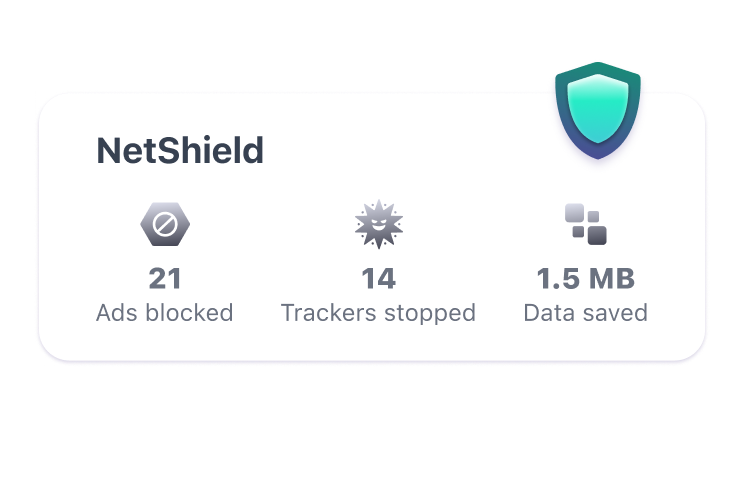
Image: Proton VPN · Source
Proton VPN provides privacy-focused internet access under Swiss jurisdiction with strong encryption, open-source transparency, and advanced features like Secure Core and Tor integration, suitable for various user scenarios requiring secure and private VPN connections.
Introduction to Proton VPN
Proton VPN is a virtual private network service developed by the founders of Proton Mail, focusing on protecting online privacy through encrypted connections and IP address masking. It operates under Swiss jurisdiction, benefitting from strong privacy laws, and positions itself as a transparent, secure option across multiple platforms with open-source clients and independent code audits.
Privacy and Legal Foundations
Based in Switzerland, Proton VPN is governed by some of the world's strictest privacy laws and operates outside of EU and US jurisdiction. This geography supports its enforceable no-logs policy — the service states it does not retain any user connection logs that could undermine privacy. Under Swiss law, Proton VPN cannot be compelled to log user activity, enhancing legal protections for users.
Encryption and Security Measures
Proton VPN describes its encryption using well-known cryptographic standards: network traffic is encrypted with AES-256, keys are exchanged using 4096-bit RSA, and message authentication employs HMAC with SHA384. The service supports forward secrecy, generating new encryption keys for each session to help prevent retrospective decryption if a key is compromised in the future.
All Proton VPN servers use full disk encryption on bare-metal hardware to secure data at rest from physical compromise. Proton VPN emphasizes that its applications are open source and audited professionally and independently, with full audit results published to support transparency.
VPN Protocols and Specialized Technologies
Proton VPN supports strong, open-source VPN protocols including WireGuard and OpenVPN. It also offers a custom obfuscation protocol called Stealth, which tunnels WireGuard traffic over TLS to help bypass network censorship and VPN blocking measures.
Their Secure Core architecture routes user traffic through multiple VPN servers located in privacy-friendly countries such as Switzerland, Iceland, and Sweden. This multilayer routing aims to enhance resistance against network-based attacks including man-in-the-middle or timing attacks by ensuring adversaries at exit nodes cannot reliably link activity to users' true IP addresses.
Performance is enhanced by Proton VPN’s VPN Accelerator technology, which the vendor claims can improve connection speeds by up to 400%, particularly over long distances, by addressing CPU limitations, reducing latency, and optimizing VPN protocol code. These claims are stated by Proton VPN, and users should consider them indicative rather than independently verified metrics.
Privacy Enhancements: DNS and Content Filtering
Proton VPN includes a feature named NetShield, a DNS filtering tool that blocks ads, trackers, and malicious domains before they load. Proton VPN indicates this feature reduces data usage and can increase browsing speed by preventing unwanted content.
The service employs DNS leak protection by routing DNS queries through encrypted tunnels to Proton’s own DNS servers, preventing leaks to the user's ISP or external DNS providers.
Integration with Tor Network and Censorship Circumvention
Proton VPN supports routing traffic over the Tor anonymity network directly via the VPN, enabling users to access .onion sites from their regular browsers without separately using the Tor Browser.
To counter internet censorship and blocks on VPN servers, Proton VPN offers alternative routing technology that reroutes connections through third-party infrastructure such as Amazon Web Services (AWS).

Device Support and User Interface
Proton VPN offers open-source clients for major platforms including Windows, macOS, Linux, Android (and Android TV), iOS/iPadOS, Chromebook, as well as Chrome and Firefox browser extensions. Users can connect up to ten devices or browser instances simultaneously under one account.
The user interface is designed to be intuitive, featuring a Quick Connect button to select the best available server automatically. Users may also create custom connection profiles for automatic VPN activation and specific settings.
Bandwidth, Streaming, and Network Features
Proton VPN states their network utilizes high-speed servers with bandwidth capacities up to 10 Gbps and no limits on data usage across all plans, including the free tier.
Though the vendor does not guarantee a buffering-free streaming experience, Proton VPN asserts support for many popular streaming services worldwide. This makes it suitable for users seeking to access geo-restricted content while traveling or circumventing censorship.
Port forwarding is available to assist peer-to-peer activities and access to local network resources via the VPN. Split tunneling is supported on multiple platforms, allowing users to route specific applications or IP addresses outside the VPN tunnel, optimizing network traffic and bandwidth.
Workflow Example 1: Accessing Streaming Content While Traveling
A user traveling abroad wishes to access streaming services from their home country while protecting personal data from tracking.
Prerequisites include a Proton VPN account (paid plans offer more server options), an updated app installed on a device, and a stable internet connection.
The user opens Proton VPN and uses Quick Connect to select an appropriate server in the content’s country.
Activating the NetShield ad-blocker can improve browsing speed and reduce unnecessary data use.
Upon connection, the user accesses streaming platforms. Since Proton VPN supports many streaming services, the user can often bypass geo-blocks, though the vendor notes that streaming services may update VPN detection over time.
If encountering access restrictions, the user may try switching to the Stealth protocol or alternative servers to attempt circumvention.
Periodic verification of streaming access and VPN functionality is advisable to maintain service efficacy.
Workflow Example 2: Secure Access for Journalists Facing Censorship
A journalist operating under network censorship requires anonymous and secure access to sensitive websites and communication channels.
For this use case, a Proton VPN subscription with access to Secure Core and Tor over VPN features is recommended (availability depends on plan tier).
The process involves connecting through Secure Core servers to route traffic via multiple jurisdictions, providing resistance against network surveillance.
Stealth protocol is used to obscure VPN traffic, improving chances to bypass firewalls and censorship.
Tor over VPN routing enables direct access to .onion sites from standard browsers.
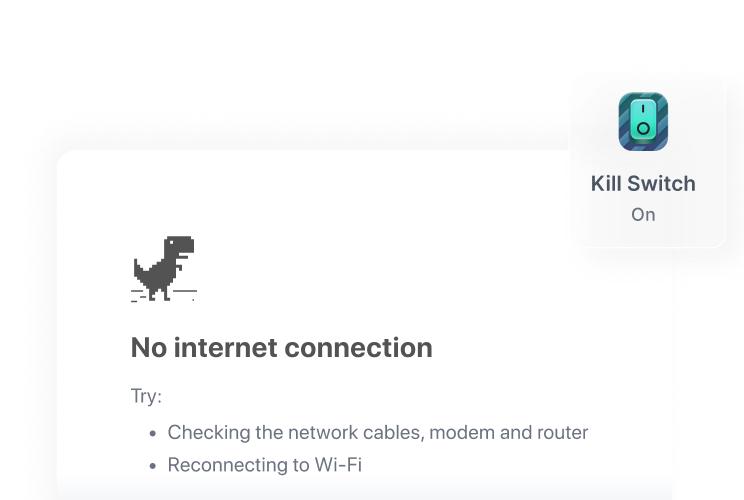
The kill switch and always-on VPN features should be enabled to minimize IP exposure risk during connection drops, although user control specifics are not detailed in the source.
Awareness that multilayer routing and Tor usage can reduce connection speeds is important; stable internet connections help maintain usability.
Workflow Example 3: Remote Access Setup for a Small Business
An IT administrator sets up Proton VPN for remote employees to securely connect to corporate resources.
Required steps include procuring appropriate Proton VPN plans that support multiple user accounts and devices.
Employees install Proton VPN apps on authorized devices.
Two-factor authentication can be enabled for account security.
Network administrators configure port forwarding if needed to allow services or collaborative applications through the VPN.
Split tunneling helps route non-business traffic outside the VPN to optimize bandwidth and preserve local network function.
Successful deployment results in encrypted remote access while reducing exposure to unauthorized external access. IT teams should monitor configurations and educate users on VPN usage to prevent misconfiguration.
Maintenance, Updates, and Customer Support
Proton VPN regularly updates its applications to patch security vulnerabilities and improve features. Maintaining updated software is essential for ongoing protection.
Subscribers with paid plans have access to live chat support during most hours, providing direct assistance.
Users should implement secure credential management practices, including backups and strong passwords, to complement the VPN's protections.
Limitations and Additional Security Considerations
While Proton VPN secures internet traffic and IP addresses, it does not protect endpoints from malware, phishing, or other local device compromises. Users must maintain comprehensive security hygiene.
In restrictive or heavily censored environments, features like Stealth or alternative routing may be necessary, but compatibility is subject to local network conditions.
Proton VPN accounts can be registered using Proton Mail or Proton Pass email aliases, supporting optional anonymity in account creation.
Suitable User Profiles
Proton VPN suits privacy-conscious individuals, travelers seeking to bypass geo-restrictions, journalists or activists requiring censorship circumvention and anonymity, and small or medium businesses needing encrypted remote connectivity.
The client applications’ ease of use and multi-device support accommodate a variety of technical skill levels.
Larger enterprises or those needing specialized network integration may require additional or supplementary VPN solutions.
Conclusion
Proton VPN delivers a transparent, privacy-focused VPN service grounded in Swiss privacy laws and equipped with strong encryption, Secure Core routing, and tools for circumventing censorship. The availability of open-source applications with independent audits supports user trust.
Its performance optimizations and multi-platform support enable versatile use cases, from casual streaming to sensitive professional communications.
Users should consult official Proton VPN documentation and consider their specific privacy and security requirements when adopting this service.
---
This analysis is based exclusively on Proton VPN's publicly available official documentation and feature descriptions. No hands-on testing or independent performance measurements were conducted.
Sources and original reporting
Read the original source ↗
Comments (0)
No comments yet. Start the discussion.
Write a comment
Comments are published after moderation. Your name and comment will be visible publicly. Account