
The Vibe-Coding Revolution Is Transforming Consumer Gadgets
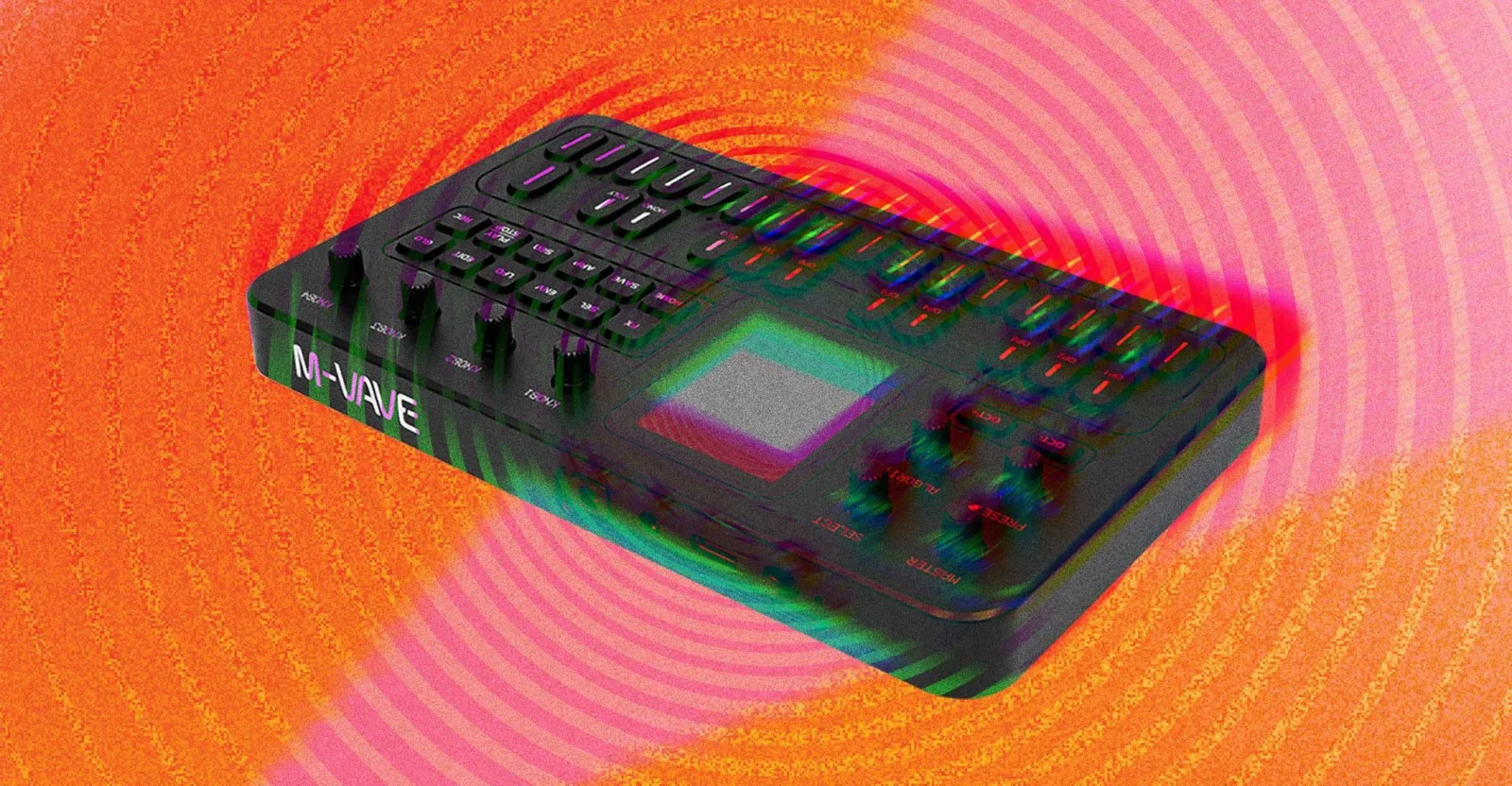
Image: The vibe-coding revolution is coming to all the gadgets · Source
AI-powered 'vibe-coding' allows users to hack and customize devices like Android TVs, cameras, synths, and gaming consoles, creating a new wave of personalized hardware experiences and sparking an industry arms race.
A new trend dubbed "vibe-coding" is revolutionizing the way people interact with consumer technology, leveraging large language models (LLMs) to customize and hack everyday gadgets in ways previously limited to expert modders. Originating from users prompting advanced AI tools like Claude Code or Codex to reprogram hardware interfaces and firmware, this practice has rapidly democratized device hacking across the globe.
One notable example comes from a developer in India known as Gathin T, who reimagined his Xiaomi Android TV experience by eliminating ads and simplifying the interface. By enabling USB debugging and adjusting permissions, Gathin used AI to redesign the TV's software remotely over Wi-Fi. Following viral attention on social media, he launched CleanYourTV, a public tool that many have adopted to customize their own television interfaces. While this approach currently works best on Android-based devices, Android's widespread presence in many products—from smart appliances to cars—broadens vibe-coding’s reach.
Beyond televisions, vibe-coding has gained traction among camera users who employ AI to expand capabilities such as higher resolutions and new color profiles. The music community is also seeing affordable synthesizers like the M-Vave FM-1 embrace open-source firmware, attracting programmers who extend functionality and challenge higher-end manufacturers. Gamers use AI to modify consoles and games, including enabling backward compatibility for PlayStation models and adapting controllers across platforms.
This surge in hardware hacking prompts an ongoing response from the industry. Game developers anticipate stronger digital rights management and shifting focus toward streaming to deter unauthorized modifications. Hardware manufacturers may enforce stricter system locks, while legal efforts attempt to protect intellectual property.
Despite these benefits, vibe-coding carries risks. Modified firmware may void warranties and place users beyond official support, sometimes rendering devices unusable. Consequently, many hackers use inexpensive, highly hackable hardware like ESP32 modules as experimental platforms. These modules, which combine networking, input/output, and computing capabilities, enable creation of specialized gadgets tailored for personal or niche uses.
Looking ahead, the dynamic between device makers and hackers is expected to intensify. Some companies may seek to incorporate safe hacking environments, while others attempt to limit unauthorized access. Developers like Gathin are refining their tools to include backups, change monitoring, and error testing to reduce user mishaps. Still, caution remains paramount; making backups and testing in isolated environments is advised before attempting vibe-coding on crucial devices.
Overall, the vibe-coding phenomenon marks a significant shift toward personalized hardware experience, empowered by AI. It parallels the earlier personal software revolution, promising a future where users increasingly shape their devices' capabilities to fit exact preferences and needs.


Sources and original reporting
Read the original source ↗
Comments (0)
No comments yet. Start the discussion.
Write a comment
Comments are published after moderation. Your name and comment will be visible publicly. Account