
FCC Grants SpaceX Conditional Approval for Orbital AI Data Centers
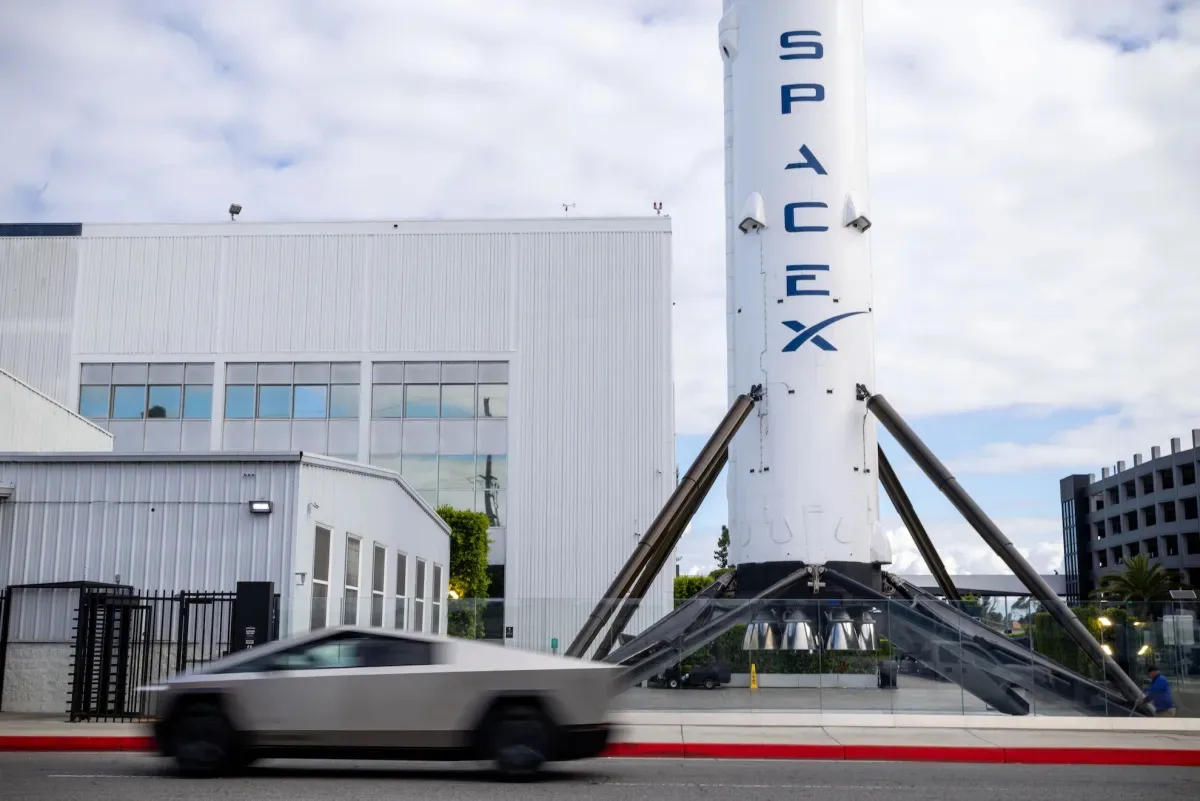
Image: TechCrunch · Source
The FCC has approved SpaceX's plan to deploy up to one million satellites to create orbital AI data centers, dismissing key objections related to space debris and interference. This marks a significant step toward space-based computing infrastructure.
The Federal Communications Commission (FCC) has conditionally authorized SpaceX to deploy and operate a constellation of up to one million satellites aimed at establishing orbital data centers to support artificial intelligence computing workloads. Announced on November 25, 2026, this regulatory approval paves the way for what SpaceX terms the "Starmind" satellite network, although actual deployment remains years away.
This decision, reported by TechCrunch, came despite resistance from notable industry players including Amazon, Viasat, and the American Astronomical Society. Amazon criticized the proposal as lacking detailed planning and warned of potential risks including space debris and interference issues. However, the FCC dismissed many of these concerns, citing limits of their regulatory authority over impacts such as potential threats to scientific research.
FCC Chairman Brendan Carr highlighted the decision as an opening to a bold new frontier in computing infrastructure necessary for America's technological leadership and economic growth. Elon Musk publicly appreciated the FCC's support, describing the initiative as a great asset domestically and globally.
Developing orbital AI data centers presents substantial technical and economic challenges for SpaceX. These include drastically cutting satellite manufacturing and launch costs, implementing effective cooling systems for processors in space, and securing financing for deploying AI chip technology intended for orbit.
Additionally, SpaceX has not yet resolved all regulatory issues. A notable one involves the management of orbital debris for satellites operating above 600 kilometers. The FCC has not approved SpaceX’s request for a waiver to alter existing debris mitigation rules that require satellites below 2,000 kilometers to deorbit within five years post-mission. SpaceX proposes relocating some retired satellites to higher Earth orbits or even solar orbits.
The approved Starmind satellites are planned to orbit between 500 and 1,002 kilometers altitude. Their primary communication method is laser links, including connections with Starlink satellites, still allowing radiofrequency communications as backup. The FCC’s approval grants SpaceX the authority to use these in case primary systems fail.
SpaceX has seven years from approval to launch its first operational satellite and up to fourteen years to complete the constellation rollout. While the path forward remains complex with many technical, regulatory, and financial hurdles, this authorization signifies the first major milestone toward integrating AI data center capabilities into space infrastructure.
Sources and original reporting
Read the original source ↗
Comments (0)
No comments yet. Start the discussion.
Write a comment
Comments are published after moderation. Your name and comment will be visible publicly. Account