
AI Data Centers Challenge Global Clean Energy Goals Amid Turbulent UN Climate Talks
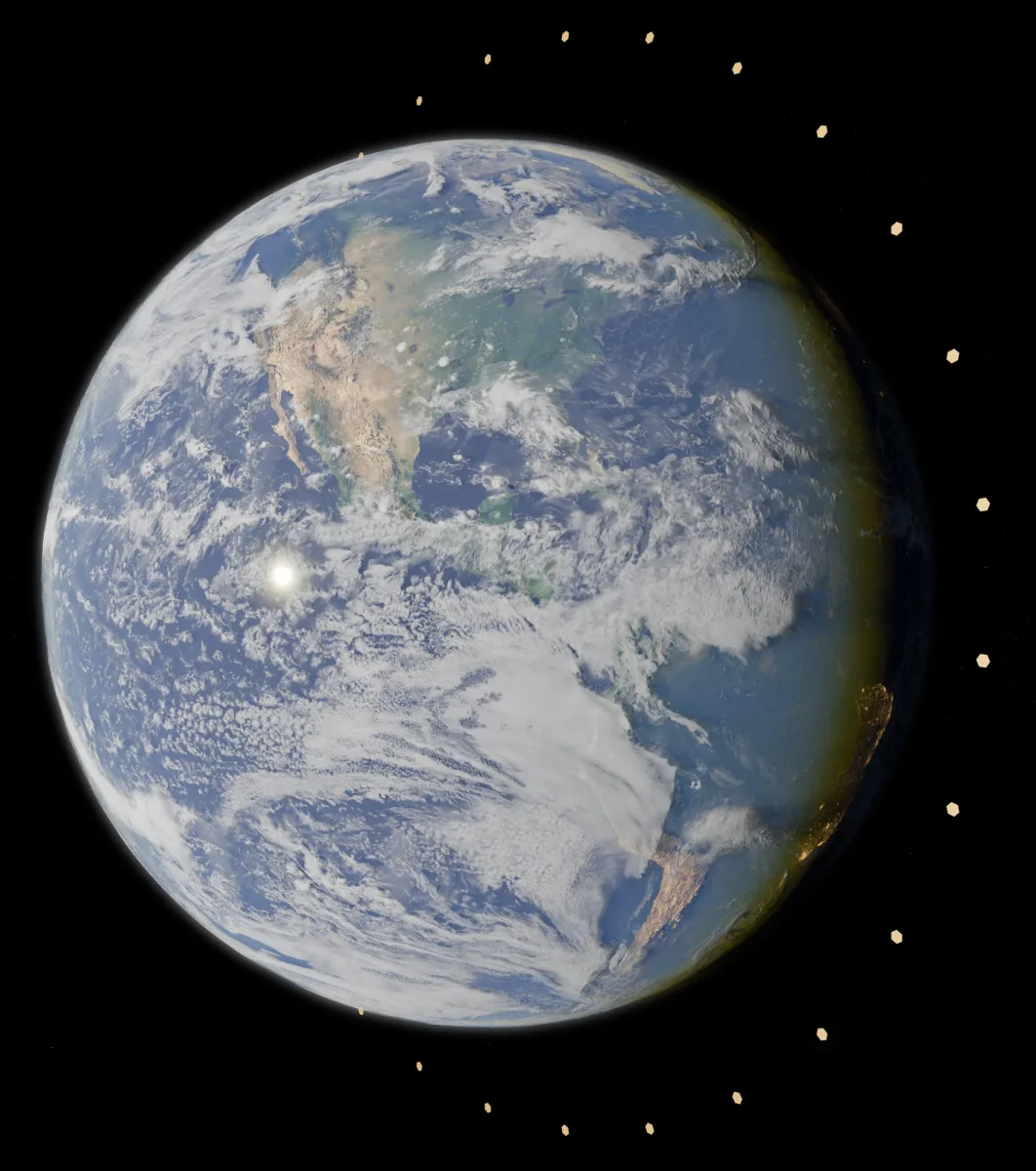
Image: Illustrative image · Wikideas1 · CC0 · Source
The rapid expansion of AI data centers raises electricity demand sharply, complicating efforts at COP31 in Turkey to increase clean energy use and reduce emissions. Negotiations ended without a strong pact, highlighting tensions between tech growth and climate commitments.
The recent UN Climate Conference, COP31, held in Antalya, Turkey, concluded without a decisive agreement, underscoring the growing challenge posed by the energy consumption of AI data centers within global climate goals. Delegates from around the world struggled to reconcile the urgent need to electrify economies using renewable sources with the surging electricity demand driven by data centers fueling artificial intelligence advancements.
A key negotiation ambition at COP31 was to raise electricity's share in global energy from approximately 20% today to 35% by 2035, a critical step for decarbonizing transport, industry, and homes. However, the rapid growth of power-hungry data centers threatens this target, as their energy needs are projected to double by 2030 according to the International Energy Agency. This surge complicates efforts to shift from fossil fuels to renewables while preventing greenhouse gas emissions from rising.
Chris Bowen, Australia's minister for climate change and energy and president of COP31, noted that the energy implications of data centers and AI were central to climate discussions, reflecting the broader energy transformation underway. Despite the conference running longer than any previous COP, official talks collapsed spectacularly, with several vulnerable nations rejecting what they considered a too-weak pact that omitted explicit mentions of fossil fuel phase-outs.
Major tech companies such as Meta, Google, and Microsoft, despite their public climate commitments, have seen growing carbon footprints amid AI expansion. Meta in particular reported a 45% increase in climate pollution year-over-year and is reassessing its net zero timelines. This indicates that industry efforts to match electricity use with renewable purchases are insufficient if they do not directly contribute to expanding renewable capacity, potentially displacing other critical electrification needs.
Environmental experts stress that data centers compete with other essential sectors, including heating, cooling, and transportation electrification, for grid access and clean energy investment. Bruce Douglas, CEO of the Global Renewables Alliance, emphasized that without new renewable energy sources dedicated to these increased loads, data centers inadvertently drive fossil fuel infrastructure growth, posing a significant climate risk.
In the United States, the country hosting the most data centers, this dynamic might cause a 42% rise in power sector emissions by 2030 according to Sierra Club analysis. Moreover, hyperscale data centers' emissions reportedly exceed those of entire nations like Denmark.
At COP31, approximately 80 countries signed a voluntary pledge to boost electricity's share in global energy consumption; however, details and participant lists remain unpublished. Another voluntary pledge targeting AI's climate impact by promoting cleaner data center energy use failed to achieve widespread support. Critics point out that terms like "low-emission energy" could still permit reliance on natural gas, a potent methane emitter.
The summit's outcome illustrates the complexity of balancing groundbreaking AI-driven technological growth with the imperative for rapid, comprehensive climate action. The lack of legally binding commitments on fossil fuels and inadequate pledges on energy transitions for data centers suggest that meeting the Paris Agreement's emission reduction goals will require more aggressive policies and innovation to align AI expansion with sustainable energy practices.


Sources and original reporting
Read the original source ↗
Comments (0)
No comments yet. Start the discussion.
Write a comment
Comments are published after moderation. Your name and comment will be visible publicly. Account