
Meta Abandons 2030 Net Zero Emissions Goal Amid AI Expansion
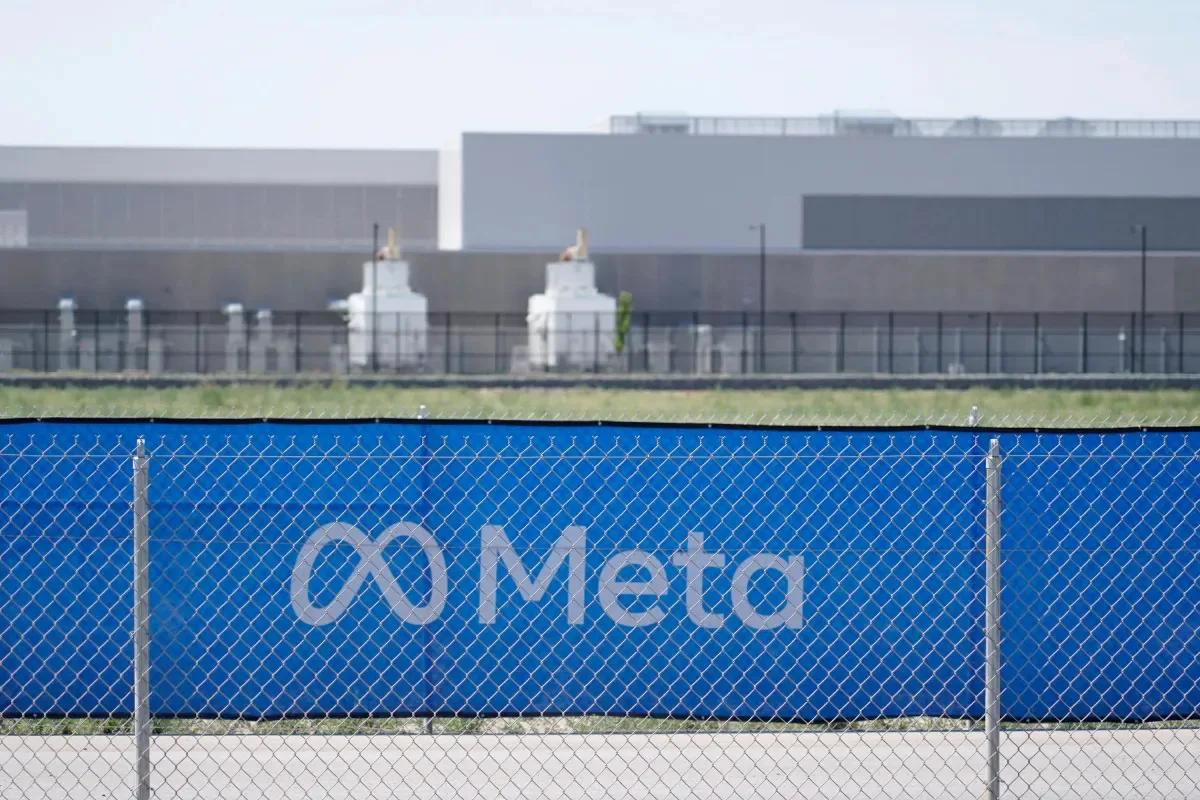
Image: TechCrunch · Source
Meta has declared it will miss its 2030 net zero target, choosing not to set a new timeline as it prioritizes rapid AI infrastructure growth powered partly by natural gas, raising concerns across the tech sector.
In its 2026 sustainability report, Meta revealed that it will not meet its previously announced goal to achieve net zero carbon emissions by 2030 and has declined to establish a new deadline. Rachel Peterson, Meta's vice president of data centers, and Blair Swedeen, global head of net zero and sustainability, explained that the company is reassessing milestones and timelines to align with current operational realities, aiming to maintain transparency in its annual progress updates.
Meta acknowledged that the accelerated demand for AI infrastructure has dramatically altered the landscape, with growth and timelines unfolding far faster than anticipated, necessitating unprecedented scaling efforts. Despite remaining committed to net zero principles, the company justified its shift as a response to the rapid industry changes and operational challenges of AI deployment.
Previously regarded as a leader in corporate environmental responsibility due to aggressive clean power purchasing and water conservation efforts, Meta's recent strategic investments have complicated its sustainability profile. Notably, its substantial commitment to natural gas power at the Hyperion data center in Louisiana—which is not yet operational—has contributed to a significant increase in greenhouse gas emissions. From 2024 to 2025, Meta's data center emissions reportedly rose more than twelvefold, even as the facility awaited launch.
This pivot to natural gas, a fossil fuel with considerable climate impact especially due to methane leaks, led Meta to withdraw from RE100, a corporate renewable energy initiative, after a decade-long membership. RE100 had instituted stricter renewables reporting requirements that Meta no longer aligned with.
Experts highlight that natural gas plants, though capable of continuous operation, are not ideally suited to AI data centers' fluctuating energy needs, which require flexible energy management often better served by grid power and battery storage. Meanwhile, emerging technologies like long-duration energy storage and next-generation geothermal energy present more sustainable future alternatives, challenging the long-term viability of Meta's natural gas strategy.
Meta's decision has raised alarm across the technology sector and environmental communities, as it risks undermining confidence in voluntary corporate net zero commitments. The move may also provoke regulatory responses that could impose stricter mandates industry-wide. Public sentiment surveys indicate low favorability toward AI and data centers partly due to concerns about their environmental footprint.
Overall, Meta's abandonment of its 2030 net zero emissions timeline underscores the tension between rapid AI infrastructure expansion and sustainable environmental practices, casting uncertainty on the industry's ability to self-regulate its carbon impact effectively.
Sources and original reporting
Read the original source ↗
Comments (0)
No comments yet. Start the discussion.
Write a comment
Comments are published after moderation. Your name and comment will be visible publicly. Account