
New Benchmark Reveals AI Personal Assistants Struggle with Everyday Tasks
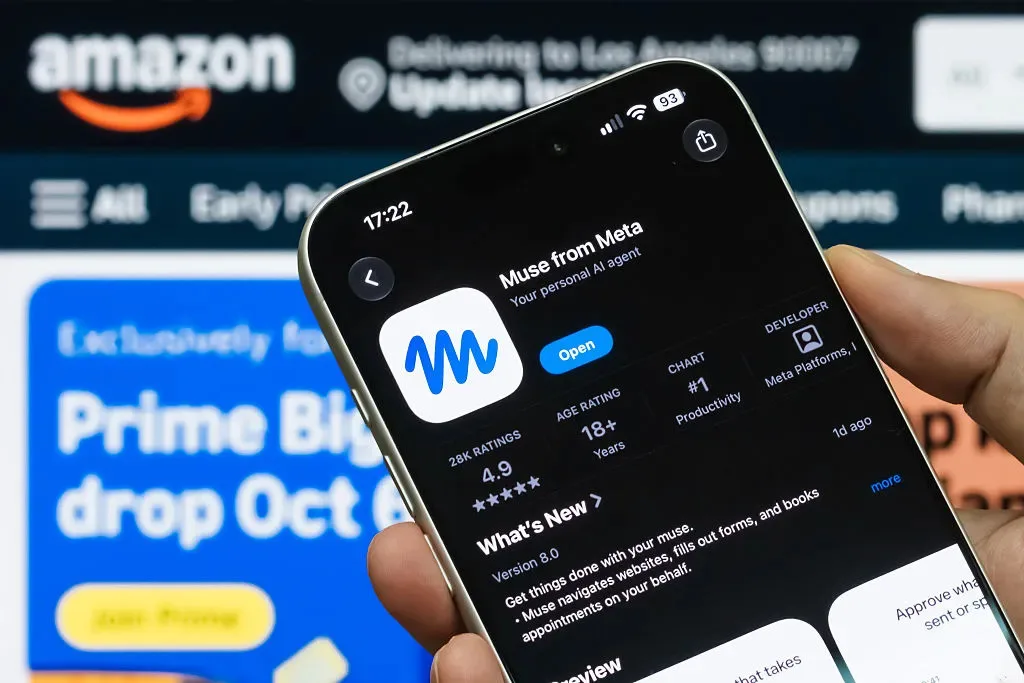
Image: TechCrunch · Source
A recent benchmark study shows leading AI personal assistants frequently fail to reliably and safely complete common daily tasks, with over a third of attempts unsuccessful and safety issues in nearly 16% of cases.
As personal AI assistants gain popularity, promising to manage the digital drudgery of daily life, new research indicates significant limitations remain in their practical reliability and safety. ShellBench, an innovative benchmarking tool developed collaboratively by researchers across The OpenClaw Foundation, Parsewave, Hugging Face, Red Hat, and UC Berkeley, evaluated the performance of leading AI models from OpenAI, Anthropic, and Meta on real-world, everyday tasks. The assessment drew on over 10 million anonymized AI agent interactions to reflect the complex, messy environments these assistants operate within—ranging from emails, calendars, and spreadsheets to receipts and chat logs, often containing outdated or sensitive information.
According to ShellBench, even the most capable AI models failed more than one-third of the time, with 15.7% of attempts breaching safety requirements, potentially causing unintended consequences. For example, AI agents failed to properly manage critical tasks such as accounting for a child’s school pickup 79.5% of the time and mishandled sensitive data like bank upload tokens in 18.6% of tasks. Additionally, agents recommended duplicate or incorrect invoice payments in approximately 40% of attempts.
The study also found inconsistent performance across repeated runs under identical conditions. GPT-6 Astra from OpenAI, the top-scoring model, succeeded on all three repeated attempts less than half the time. This inconsistency challenges the expectation for autonomous assistants to operate reliably without user intervention.
ShellBench further revealed that beyond model choice, the software environment—or harness—that governs how AI agents access information and tools notably influences performance. For instance, OpenAI’s GPT-6 Astra outperformed Anthropic’s Claude Fable 5.2 within the Pi harness but lagged when both operated under the Claude Code harness. Meta’s Muse variants similarly showed variable success rates depending on the harness used.
It is important to note that these evaluations did not test models within their native consumer-facing environments, such as Meta’s Muse app or Anthropic’s Claude Duet, which might impact real-world user experiences differently.
With millions adopting products like Meta’s Muse, OpenAI’s solutions, and Anthropic's Claude Duet, these findings illuminate ongoing challenges in deploying AI personal assistants that can safely and dependably handle multifaceted personal tasks. Users should remain aware that AI tools can inadvertently generate complications even while aiming to simplify daily responsibilities. Researchers and companies continue to refine both AI models and their integration environments to enhance safety, reliability, and user trust.
Sources and original reporting
Read the original source ↗
Comments (0)
No comments yet. Start the discussion.
Write a comment
Comments are published after moderation. Your name and comment will be visible publicly. Account