
Bambu P3C Brings Advanced Multi-Material 3D Printing at a Lower Price with Some Trade-Offs
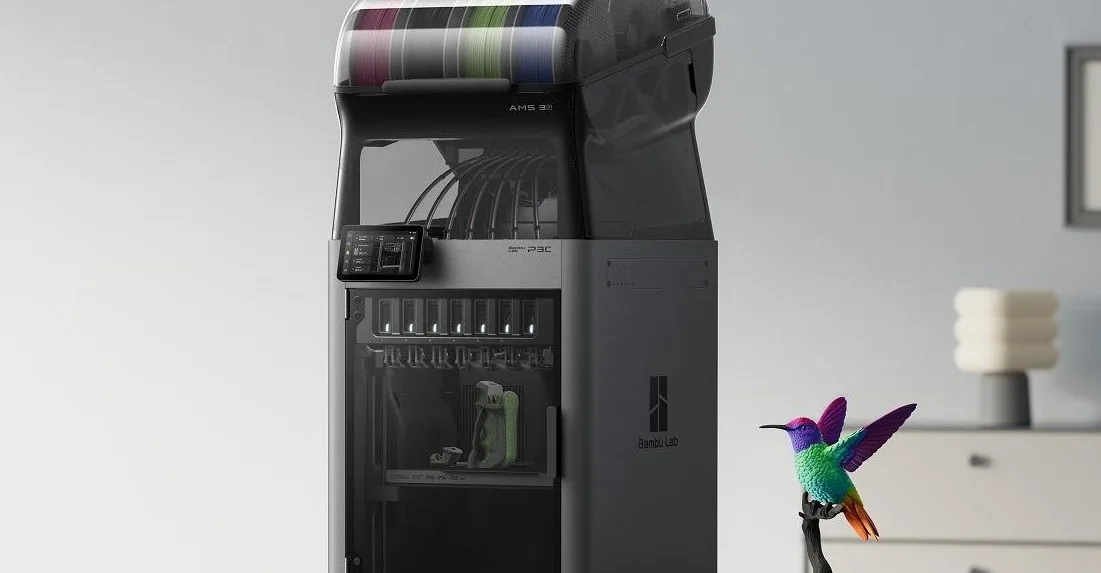
Image: Bambu’s five-nozzle P3C isn’t quite the 3D printer I expected · Source
Bambu Lab's new P3C 3D printer offers multi-material and color-mixing capabilities similar to pricier models but requires manual filament loading, targeting hobbyists and small studios at $1,149.
Bambu Lab has launched the P3C, a versatile multi-material 3D printer priced at $1,149, bringing many features of its high-end $2,499 H3C model to a more accessible price point. This printer supports up to seven automatic tool changes and can mix colors, blend soft and hard materials, and switch between different nozzle sizes and filament diameters, enabling both high-speed and fine-detail printing in single projects.
The P3C shares a print volume of 256 x 256 x 260mm, similar to other printers in Bambu's P-series, and includes slots for seven filaments and seven independent printheads with compatibility for 2.85mm filament, pens, cutting blades, and debossing tools. However, unlike the H3C, the P3C ships with five 0.4mm nozzles and notably omits motorized filament loading in its automated material system (AMS). Instead, users must manually feed filament through long tubes after preheating each nozzle, a process described as slower and more hands-on compared to previous models.
While this design choice was made to reduce costs and bring premium multi-head printing to hobbyists, small studios, and educational institutions, it does represent a step back in convenience for users accustomed to Bambu’s earlier motorized AMS systems. The company projects manual reloading of five spools currently takes about five minutes, with plans to reduce this time to under one minute via a future software update.
Despite these compromises, the P3C still supports vibrant, five-color printing with Bambu's "PLA Palette" CMYKW filaments, allowing productions like color-mixed hummingbird models. However, certain colors such as brown require more careful filament swapping, potentially testing the patience of casual users. Bambu suggests a "mixed color sublayer" feature or attaching a standard motorized AMS to one printhead as workarounds.
Overall, the P3C positions itself as a capable and affordable multi-material 3D printer geared more toward tinkerers and advanced hobbyists than beginners or high-end professionals. Its innovative feature set at half the price of the flagship H3C makes it attractive, though users should be prepared for some manual involvement compared to fully automated systems. This model adds to Bambu's expanding lineup while expanding multi-color 3D printing accessibility to a broader audience.


Sources and original reporting
Read the original source ↗
Comments (0)
No comments yet. Start the discussion.
Write a comment
Comments are published after moderation. Your name and comment will be visible publicly. Account