
Blade Runner 2099 Showrunner on Bold Vision for TV Adaptation
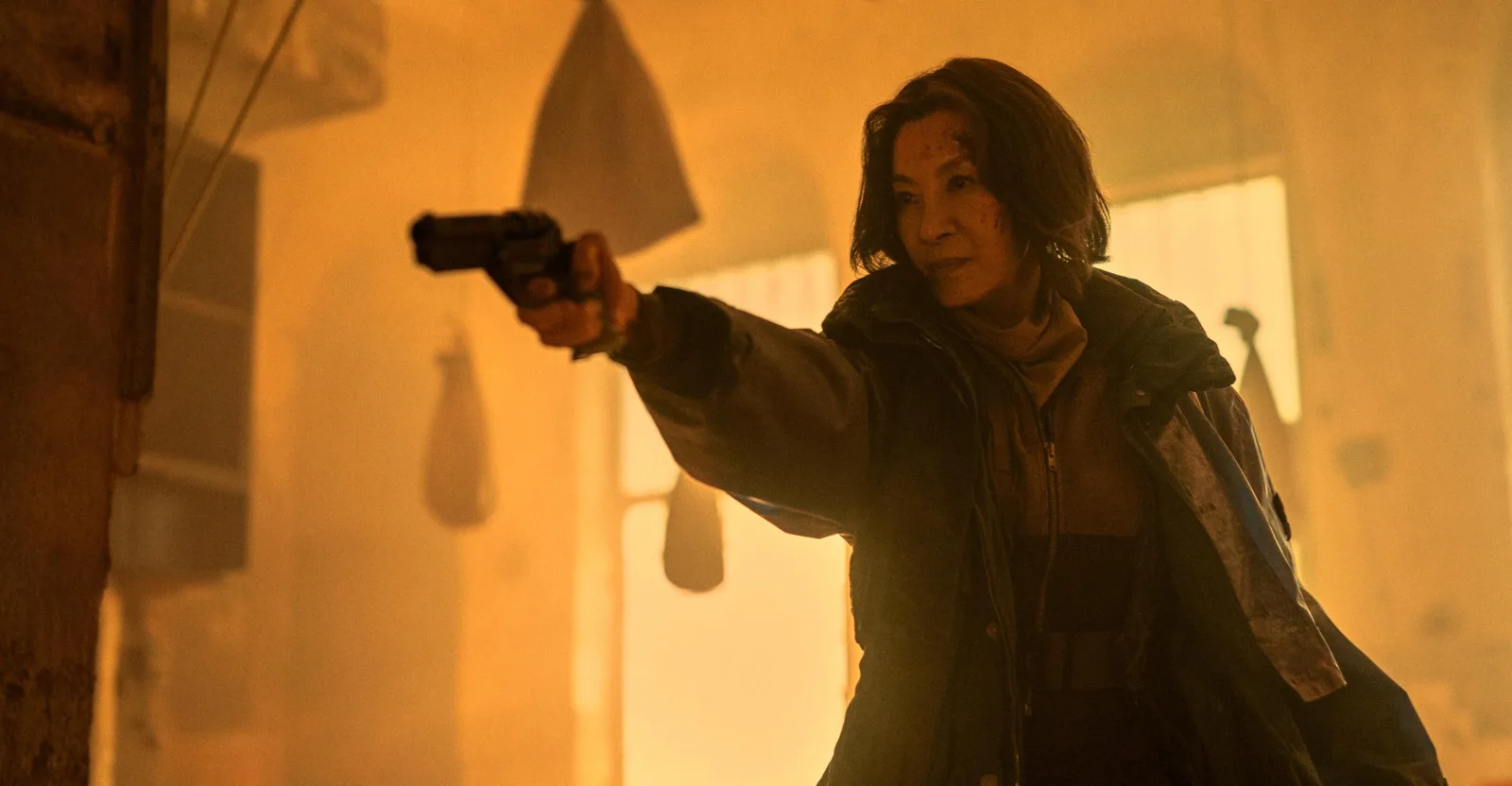
Image: ‘It’s not for the timid’: Blade Runner 2099’s showrunner on adapting the series for TV · Source
Blade Runner 2099, set 50 years after Blade Runner 2049, explores a future where replicants dominate society. Showrunner Silka Luisa discusses adapting the franchise, narrative inversion, and the challenges of preserving the iconic mood and pace for TV.
Blade Runner 2099, released on Amazon Prime Video, extends the renowned sci-fi universe to television, set 50 years after the events of the 2017 film Blade Runner 2049. Silka Luisa, the show's showrunner and a long-time fan of the franchise, embraces the bold creative challenge with enthusiasm rather than fear, describing the project as monumental. The series imagines a post-war future where replicants—artificial humans—have taken control, reversing the original Blade Runner narrative where humans hunted replicants. This inversion serves as a foundation for a noir detective story focused on two detectives: Michelle Yeoh’s replicant character nearing the end of her life and Hunter Schafer’s human character concealing her identity.
Luisa highlights how the 50-year gap in the storyline grants creative freedom, allowing the show to carve its own path within the established Blade Runner canon. She underscores that each previous iteration brought a unique vision, from Ridley Scott’s original film deviating from Philip K. Dick’s novel to Denis Villeneuve’s Blade Runner 2049 pushing the narrative forward in its distinctive style.
The creative process involved extensive world-building to visually and thematically define this new replicant society. The writers' room employed diverse real-world and historical references to help construct the environments and societal textures that the story unfolds in. Luisa explains that achieving the iconic Blade Runner atmosphere demanded a careful balance of pacing; while the films are known for their slow, meditative tempo, the eight-hour series required maintaining momentum without sacrificing mood, especially to accommodate the evocative score by Leopold Ross.
Costume design also played a crucial role in character identity, with designer Helen Huang creating distinct, period-referencing jackets to visually symbolize the characters’ personas and roles. Luisa recalls a transformative moment during screen tests when the iconic jackets fully embodied the show’s Blade Runner heritage.
Overall, Blade Runner 2099 represents a deliberate and courageous evolution of the franchise, aiming to explore deep philosophical questions about humanity and technology within a gripping narrative framework. Luisa’s approach underscores a respect for the source material alongside a commitment to innovate and captivate a new generation of viewers.


Sources and original reporting
Read the original source ↗
Comments (0)
No comments yet. Start the discussion.
Write a comment
Comments are published after moderation. Your name and comment will be visible publicly. Account