
Nvidia CEO Jensen Huang Faces Continuing Scrutiny Over Megaspeed Chip Smuggling Allegations
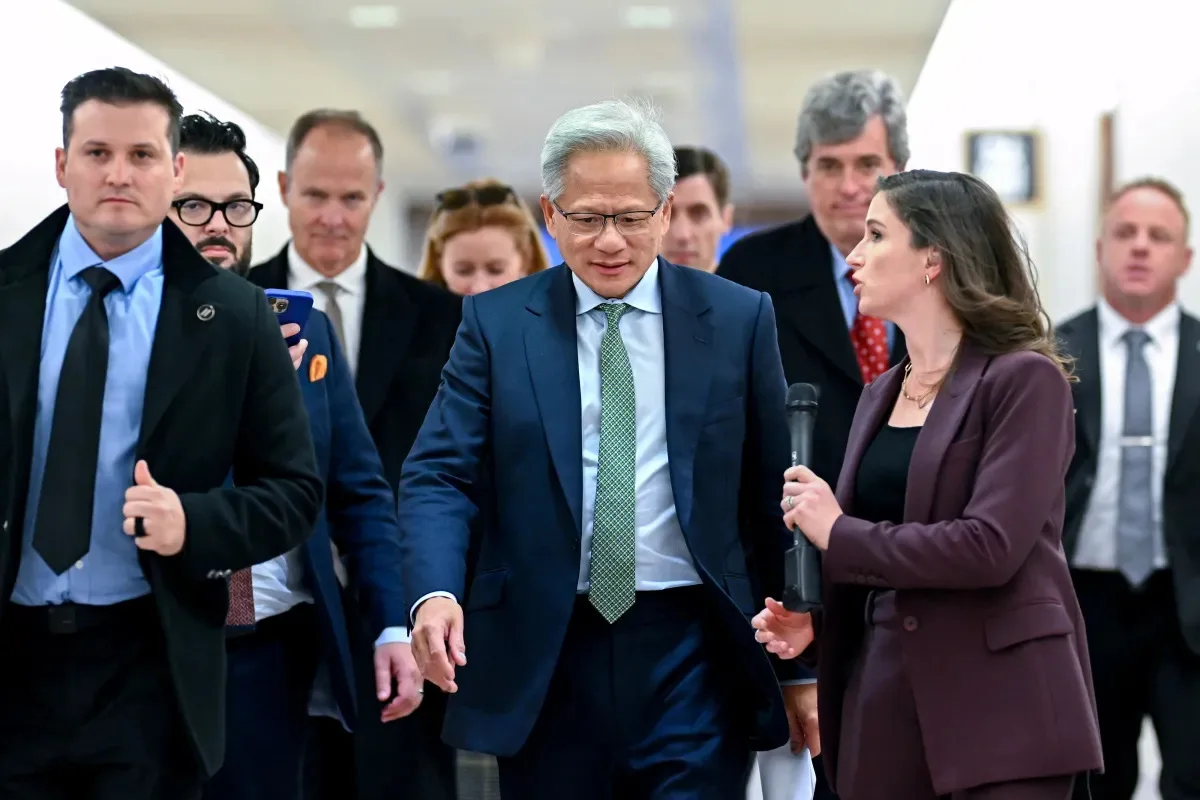
Image: TechCrunch · Source
Nvidia CEO Jensen Huang and the company face ongoing investigations into allegations that advanced GPUs sold to Megaspeed were smuggled into China, raising serious compliance and export control concerns amid revelations of Huang's personal ties to a Megaspeed executive.
Nvidia’s CEO Jensen Huang has returned to lead the company amid persistent investigations into accusations that Megaspeed, a Singapore-based data center operator and Nvidia customer, illegally smuggled Nvidia’s high-performance GPUs into China, breaching US export restrictions designed to curb Chinese advances in cutting-edge AI technology. Central to these investigations is the question of what Nvidia knew about the ultimate use and destination of their chips and whether Huang's personal relationship with a Megaspeed executive affected the company's trust in Megaspeed’s compliance assurances.
The US Department of Justice has been investigating Megaspeed since 2024, concerned that chips purchased for Malaysian data centers were diverted to China. Singapore has also launched similar probes. Megaspeed denies any misconduct. Multiple US authorities, including California’s Attorney General and the Securities and Exchange Commission, are examining Nvidia’s role, especially their transparency and compliance with export laws.
Export control experts stress that while Nvidia relies on end-user confirmations to comply with export rules, they must also heed any information suggesting these assurances may be unreliable. Huang’s affair with Megaspeed executive Alice Huang, whose husband allegedly helped funnel chips to Shanghai, complicates Nvidia’s defense because it could imply Nvidia personnel had reasons to question Megaspeed’s statements.
After Nvidia’s board initially removed Huang, citing concerns he may have had knowledge exceeding official compliance disclosures, the company announced plans to strengthen export controls by appointing a compliance officer and forming a dedicated board committee. The US government added Megaspeed to a restricted trade list this November, and enacted new rules limiting data center sales to China and other nations considered security risks.
Despite these controversies, Nvidia’s board reinstated Huang following reassurances from senior US officials, including a personal call with former President Trump, who provided a national security clearance. US Attorney General Todd Blanche publicly stated Nvidia is not the investigation’s target, though declined to comment on ongoing Megaspeed probes.
However, US legislators remain concerned. Multiple House committees plan private hearings with Huang and Nvidia’s top lawyer, Tim Teter, scrutinizing potential complicity and prior intervention in governmental investigations. Congressional leaders demand detailed disclosures on Nvidia’s export compliance and the US administration’s role in Huang’s reinstatement.
The Senate Banking Committee is set to hold a public hearing with Huang in early December. Senator Elizabeth Warren emphasized that Nvidia executives and the company’s leadership must provide transparent accounts of their adherence to export controls, while also calling on the government to clarify the nature of its support for Huang.
As inquiries into chip diversion and national security implications continue, Nvidia faces significant pressure to demonstrate robust compliance and restore confidence in its governance amid one of the technology sector’s most sensitive export control cases in recent years.
Sources and original reporting
Read the original source ↗
Comments (0)
No comments yet. Start the discussion.
Write a comment
Comments are published after moderation. Your name and comment will be visible publicly. Account