
Yale Expert Criticizes Nvidia's Role in U.S. Industrial Security Amid CEO Reinstatement
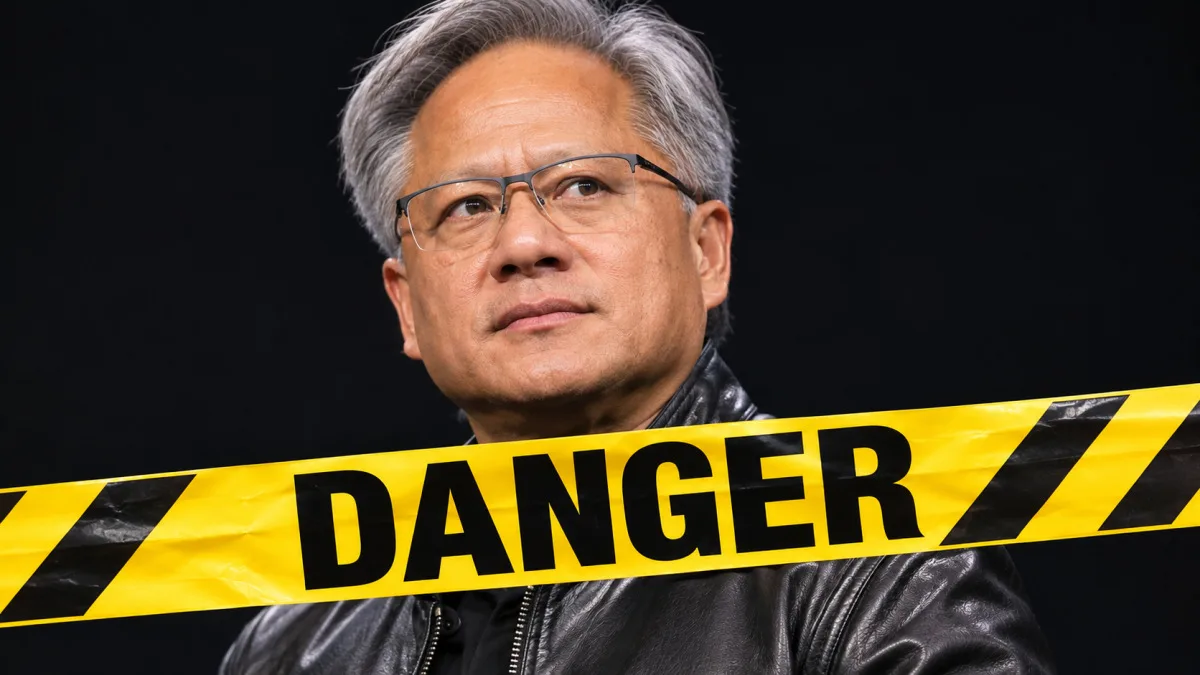
Image: TechCrunch · Source
Jeffrey Sonnenfeld of Yale warns Nvidia's reinstatement of CEO Jensen Huang may pose risks to U.S. industry, citing lawsuits, export control breaches, and concerns over technology reaching adversaries.
In a recent analysis, Yale business scholar Jeffrey Sonnenfeld cautions that Nvidia’s decision to reinstate Jensen Huang as CEO and board member—following a controversial ouster linked to personal misconduct allegations—could have serious repercussions for both the company and broader U.S. industrial security. Sonnenfeld highlights multiple legal and regulatory challenges facing Nvidia, including class-action lawsuits targeting the company and derivative suits aimed directly at the board for alleged failures in oversight related to Huang’s personal connections and dealings.
The reinstatement came after intense private pressure from U.S. administration figures, including Vice President JD Vance and former President Donald Trump, who intervened to support Huang. Sonnenfeld characterizes the board’s reversal as a sign of “cowardice,” criticizing their reliance on governmental assurances instead of independent expert investigation. Despite assurances, Nvidia is still subject to ongoing investigations by the U.S. Justice Department, the Securities and Exchange Commission, the FBI, and congressional committees, particularly concerning antitrust concerns, accounting practices, and export controls.
A central concern raised is Nvidia's role in the global chip supply chain, especially allegations that its most advanced GPUs have reached China despite U.S. export restrictions. Sonnenfeld notes reports indicating Nvidia chips have been used by Chinese military research institutions and may have ultimately ended up in Iranian and Russian weapon systems, a troubling development for U.S. security. Furthermore, Nvidia's technology is linked to China’s ability to produce AI models that closely mimic top U.S. advancements, undermining American industrial competitiveness.
Sonnenfeld argues that Huang’s return is unlikely to assist the company’s core chip design and software innovation teams, which remain under other leaders. He also emphasizes that Huang’s personal misconduct concerning a relationship with a subordinate raises severe ethical issues that can affect company culture and governance.
The Nvidia board’s handling of this situation has already resulted in multiple lawsuits filed in Northern California. These suits allege negligence and failure to manage risks relating to Huang’s connections and the company’s export practices. Sonnenfeld warns that these legal battles may be extensive and costly, potentially marking a historic level of individual liability for the board members.
Industry reactions are mixed, with some relief in Asian markets following Huang’s reinstatement, while prominent U.S. political figures from both parties express concern, reflecting the high stakes surrounding Nvidia’s governance and its role in national security. As investigations and inquiries continue, Nvidia faces mounting scrutiny over whether it supports or undermines U.S. industrial and technological strength in a fraught global environment.
Sources and original reporting
Read the original source ↗
Comments (0)
No comments yet. Start the discussion.
Write a comment
Comments are published after moderation. Your name and comment will be visible publicly. Account