
OpenAI Countersues Apple Alleging Unlawful Vendor Pressure and Trade Secret Theft
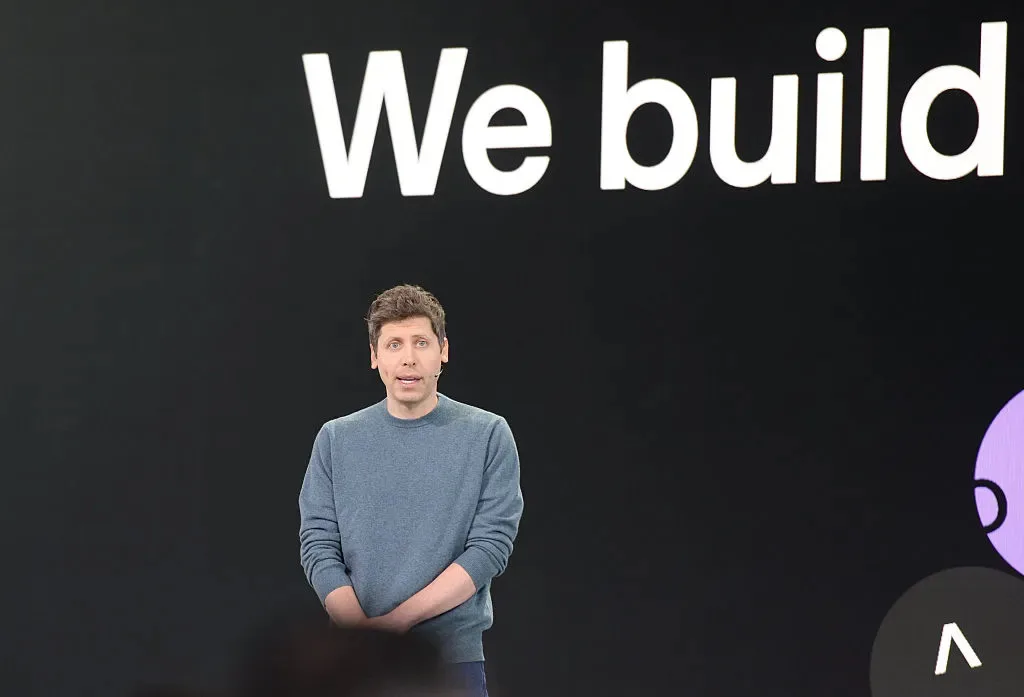
Image: TechCrunch · Source
OpenAI has filed a countersuit against Apple accusing it of unlawfully pressuring vendors and restricting access to engineers, escalating their legal dispute following Apple's original trade secret allegations.
In a significant escalation of their legal conflict, OpenAI has filed a countersuit against Apple, responding to allegations Apple made earlier in 2026 concerning trade secret theft. According to reports from Bloomberg and TechCrunch, OpenAI accuses Apple of unlawfully pressuring hardware vendors not to collaborate with OpenAI as the company prepared to enter the hardware market. Furthermore, OpenAI claims that Apple imposed broad employment restrictions aimed at limiting OpenAI’s ability to recruit talented engineers.
This countersuit also includes allegations that Apple itself has engaged in the misappropriation of OpenAI’s trade secrets. Apple, however, has dismissed these claims, describing OpenAI’s countersuit as a transparent attempt to deflect from the core issues raised in Apple’s lawsuit. Apple has stated that a court has already ordered OpenAI to cease using Apple’s confidential information.
The original lawsuit from Apple alleged that OpenAI’s Chief Hardware Officer, Tang Tan, along with other leaders, requested candidates to bring Apple hardware components to job interviews and provided coaching on evading Apple’s security processes. OpenAI has denied these accusations, emphasizing that it has no interest in acquiring other companies’ trade secrets.
This legal battle marks a stark change in the relationship between the two tech giants, who had collaborated earlier in 2024 to integrate OpenAI’s ChatGPT technology with Apple’s Siri voice assistant. The public litigation underscores deepening tensions as both companies vie for influence in the rapidly evolving AI and hardware sectors.
The outcomes of these lawsuits could have significant implications for intellectual property rights and competitive practices within the AI industry and hardware manufacturing, especially given the prominence of the companies involved. Neither side has indicated a potential resolution timeline, and further legal proceedings are expected.
Sources and original reporting
Read the original source ↗
Comments (0)
No comments yet. Start the discussion.
Write a comment
Comments are published after moderation. Your name and comment will be visible publicly. Account