
European Commission Proposes €50 Billion Fund to Boost Quantum Technology by 2030
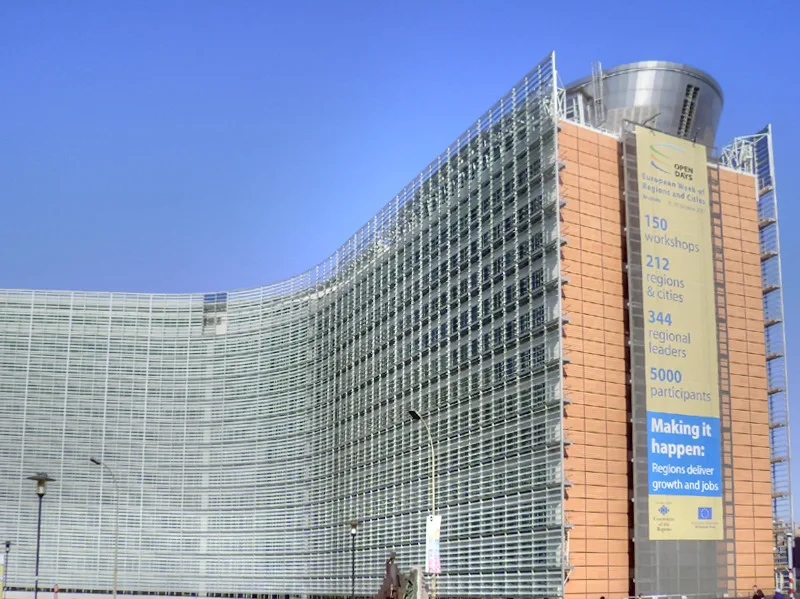
Image: Illustrative image · Dr Murali Mohan Gurram · CC BY-SA 3.0 · Source
The European Commission has proposed a €50 billion Sovereign Technology Equity Fund and stricter procurement rules to enhance Europe's role in quantum technology by 2030.
The European Commission (EC) has introduced an ambitious proposal aimed at positioning Europe as a global leader in quantum technology by 2030. Central to this initiative is the creation of a €50 billion Sovereign Technology Equity Fund (STEF), designed to finance companies developing critical technologies essential for the EU's technological sovereignty and economic security. The proposal, termed the Quantum Act, also includes plans to tighten public procurement rules for products and services of strategic quantum importance, reserving tenders primarily for firms controlled within the EU or those from countries with reciprocal agreements.
Beyond financial investment and procurement policies, the EC plans to establish a network of European research institutes focused on quantum innovation. This will include expanding access to shared quantum computing infrastructures and launching innovation centers to support startups and small to medium-sized enterprises (SMEs) in bringing commercial quantum products to market.
Another key element of the plan is supporting the transition to post-quantum cryptography. This is intended to safeguard critical data and infrastructure from potential cyberattacks enabled by future quantum computing advancements.
Henna Virkkunen, Executive Vice-President of the European Commission for Technological Sovereignty, Security, and Democracy, emphasized the urgency of accelerating Europe's quantum technology development, highlighting the sector's profound impact on industry, security, and innovation.
A recent report from the EC's Joint Research Centre (JRC) underscores the challenge: although the EU hosts 32% of the world’s quantum technology companies, it holds only 6% of the sector's patents. In contrast, China leads with 46%, followed by the United States with 23%. The Quantum Act now must undergo approval by the European Parliament and member states before becoming law.
If enacted, this comprehensive framework aims to strengthen Europe’s competitive edge in quantum technologies, reduce dependency on external suppliers, and foster secure and innovative industrial ecosystems within the EU.
Sources and original reporting
Read the original source ↗
Comments (0)
No comments yet. Start the discussion.
Write a comment
Comments are published after moderation. Your name and comment will be visible publicly. Account