
Major Synth Makers Embrace Open Source Amid AI-Driven Vibe Coding Surge
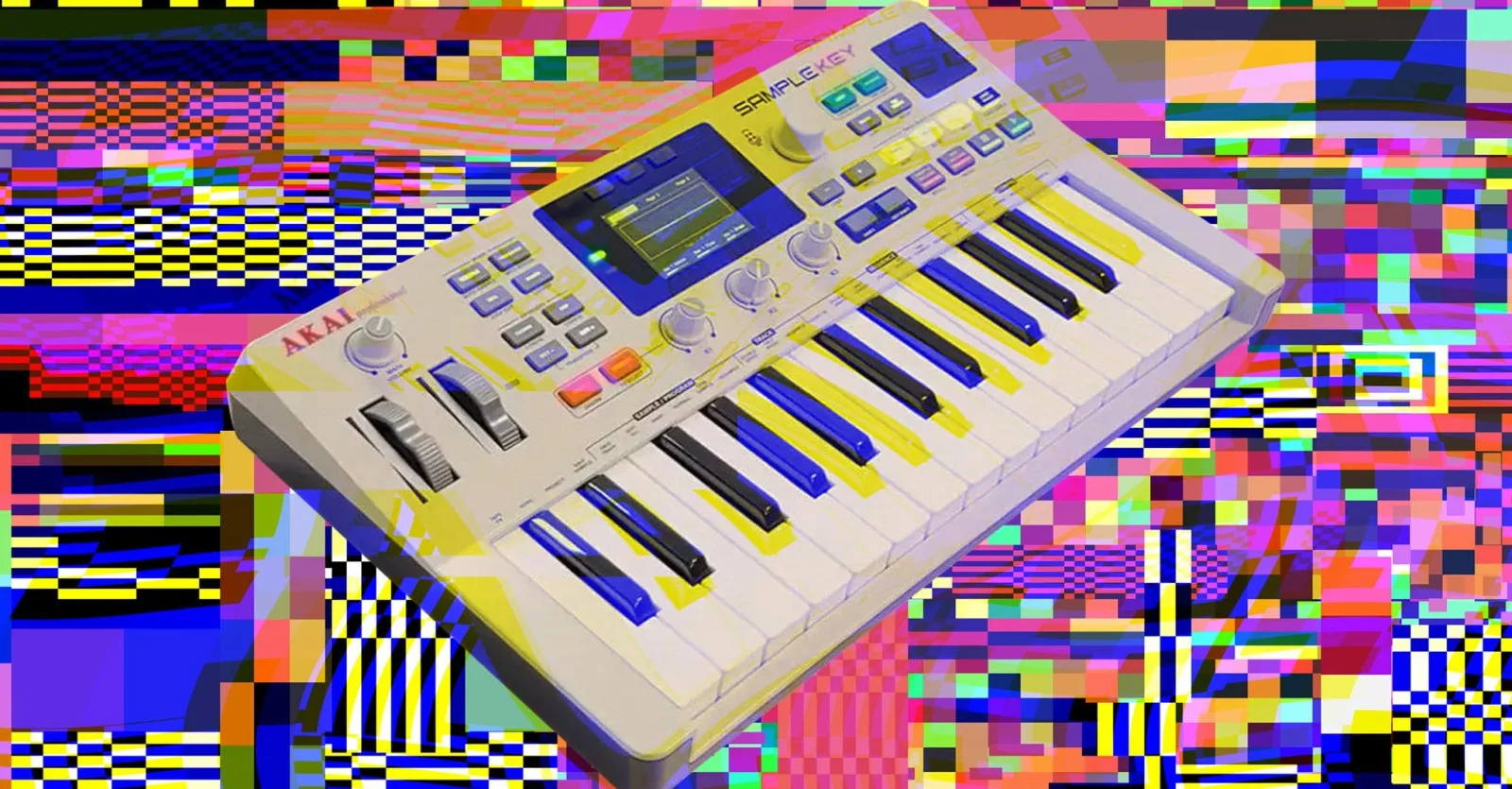
Image: Has vibe coding made open source the new normal for synths? · Source
In response to AI-powered vibe coding reshaping music gear, companies like inMusic and Behringer are releasing open-source synth devices and tools, while others like Elektron express caution. This shift could redefine synth customization and sustainability.
The music hardware industry is undergoing a significant transformation as AI-generated vibe coding and tools such as Reverse Engineer Anything proliferate, enabling users to extensively customize synthesizers and music gear firmware. This wave of modding has prompted several leading manufacturers to reconsider their approach to product openness and community engagement.
InMusic, which owns brands like Akai, Moog, and Native Instruments, has adopted a notably open stance. CEO Jack O’Donnell told The Verge that the company plans to provide developers an SDK and the internal workings of devices like MPC and Sample, encouraging creativity while maintaining product reliability by offering features like a reset button for experimentation.
Behringer has quickly followed suit, announcing multiple open-source devices including a $150 clone of the MPC One named Kick, an E-mu SP-1200 clone, and other open-source products like the Anima DJ controller and Polykeys 61 MIDI controller. Although exact launch dates remain unconfirmed, the strategy signals a commitment to embracing the vibe-coding community.
This movement was initially propelled by M-Vave’s FM-1, a $70 portable Yamaha DX7 clone that gained popularity for its affordable price and hackability, spawning numerous custom firmwares. M-Vave responded by open-sourcing its firmware and confirming that its upcoming FM-2 synth will also be open source.
Other companies have shown varied openness to vibe coding. Erica Synths released source code for its LXR-02 drum machine but its founder Ģirts Ozoliņš questions the fundamental value vibe coding offers. However, he notes a sustainability upside, as users can experiment with multiple sounds on a single device rather than purchasing several.
Polish company Polyend has also embraced open source by releasing its Tracker groovebox line for vibe coding, continuing from its prior release of an endlessly customizable Endless guitar pedal.
Conversely, Elektron has taken a more cautious position, banning links to custom firmware on official forums due to concerns about device bricking, warranty issues, and update disruptions. However, its Chief Product Officer Christian Alsing expressed understanding of user modification rights but disagreed with accusations of feature withholding.
Meanwhile, other major music gear makers such as Roland, Korg, Arturia, and Novation have so far remained silent on this emergent trend.
This industry-wide openness signals a new normal where synth manufacturers increasingly incorporate open-source principles and community-driven innovation into their products, reshaping the landscape of music production technology through AI-assisted customization and sustainability considerations.


Sources and original reporting
Read the original source ↗
Comments (0)
No comments yet. Start the discussion.
Write a comment
Comments are published after moderation. Your name and comment will be visible publicly. Account