
Samsung R95H RGB LED TV Demonstrates Advanced Color and Brightness Capabilities
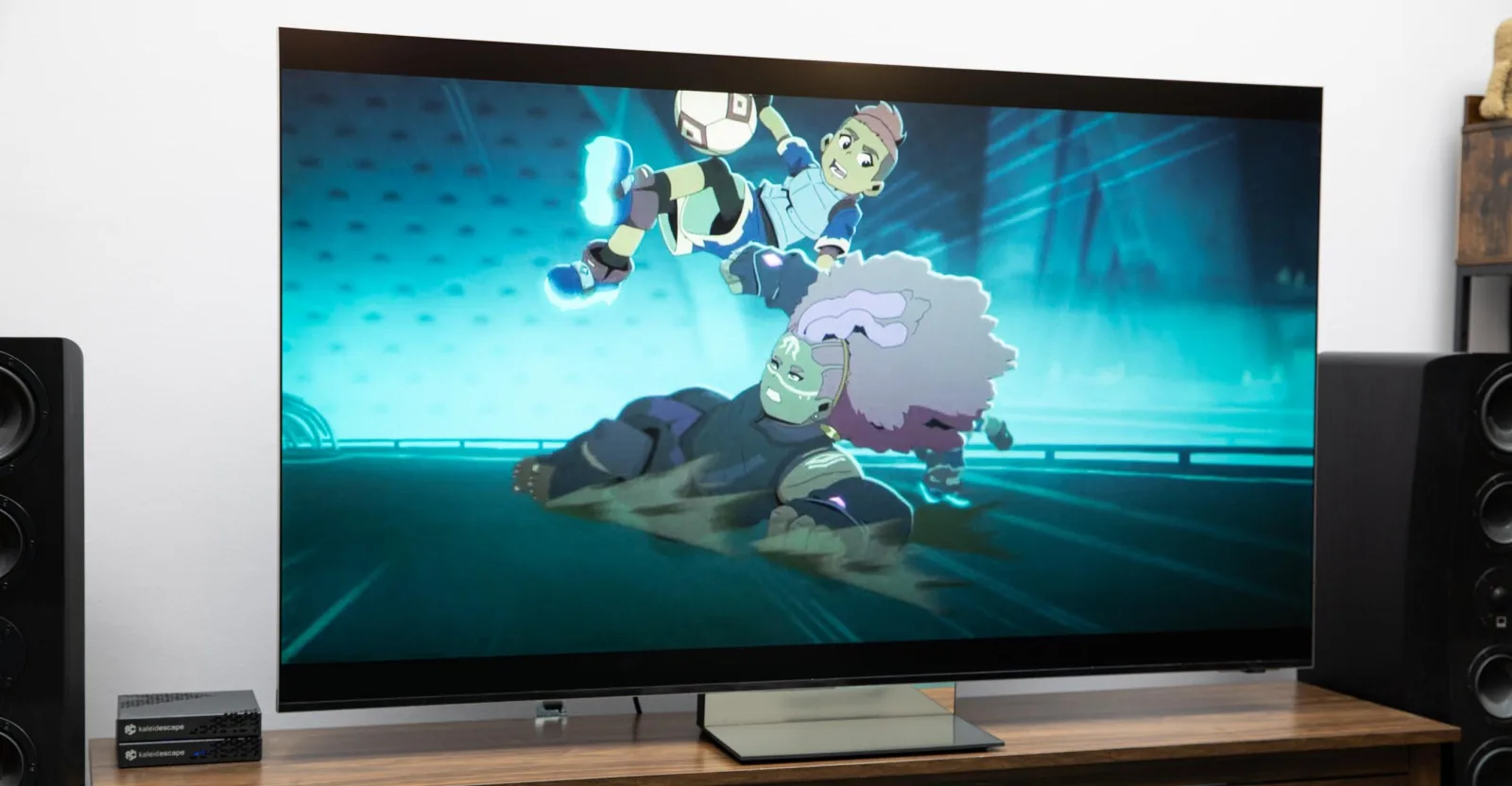
Image: Samsung’s R95H TV shows what RGB LED is capable of · Source
Samsung’s 2026 R95H TV uses RGB LED backlighting to deliver wider color gamut and strong brightness, showcasing early advantages of this emerging technology despite some color crosstalk and Samsung’s known software limitations.
In 2026, RGB LED TVs became more affordable, introducing new potential in television display technology. Samsung’s R95H model stands out as a significant example of what RGB LED backlighting can achieve. Unlike traditional LED TVs that use white or blue LEDs for backlighting, the R95H employs separate red, green, and blue LEDs, enabling it to display a broader range of colors. This design allows the R95H to fully cover the DCI-P3 color space used in most films, and also supports the wider BT.2020 color space needed for some content.
The color accuracy of the R95H is commendable in high dynamic range (HDR) content, particularly in the Filmmaker mode with the latest firmware. Earlier concerns about inconsistent color accuracy have been addressed via hardware replacement and software updates. The TV renders natural skin tones and vibrant greens as seen in nature documentaries, with only minor issues like a slight blue tint in whites and grays.
Brightness performance is solid for an LED display, with measurements reaching approximately 694 nits for full-field white and up to 2,206 nits for specular highlights in HDR mode. This level of brightness suits brightly lit rooms and is accompanied by excellent matte screen treatment that effectively reduces glare and reflections without overly washing out blacks.
The R95H also delivers good gaming performance with smooth motion at 120Hz and support for features like variable refresh rate (VRR) up to 165Hz, auto low latency mode (ALLM), and FreeSync Premium Pro. Some initial issues with motion smearing have been mitigated with firmware updates.
An inherent challenge of RGB LED technology is color crosstalk, where strong colors near lighter areas such as white text can cause color bleeding and subtle tint shifts. The Samsung R95H exhibits this phenomenon to some extent, although it remains less pronounced than on some other RGB LED TVs.
The TV runs on Samsung’s Tizen OS, which is noted to have a cumbersome user interface, with functions buried under multiple layers of menu navigation. Additionally, Samsung’s ongoing exclusion of Dolby Vision support limits HDR format compatibility. The remote control, adjustable via solar panels and USB-C, has been found to have a less-than-ideal button layout.
While the R95H is competitively priced within its segment, alternatives such as Sony’s Bravia 9 II RGB LED TV offer brighter displays but with more blooming, and certain OLEDs provide superior contrast and overall picture quality, sometimes for a similar or lower price.
In summary, the Samsung R95H RGB LED TV exemplifies the benefits and current limitations of early RGB LED technology. Its extended color range, impressive brightness, and glare reduction make it a strong contender among 2026 TV models. Yet, with OLED panels still offering better contrast and some rivals providing competitive performance, RGB LED TVs like the R95H represent a promising but still developing direction in display technology.


Sources and original reporting
Read the original source ↗
Comments (0)
No comments yet. Start the discussion.
Write a comment
Comments are published after moderation. Your name and comment will be visible publicly. Account