
Emergency Alert Test Disrupts Phones Popular Among Finnish Seniors, Raising Safety Concerns

Image: Mikrobitti · Source
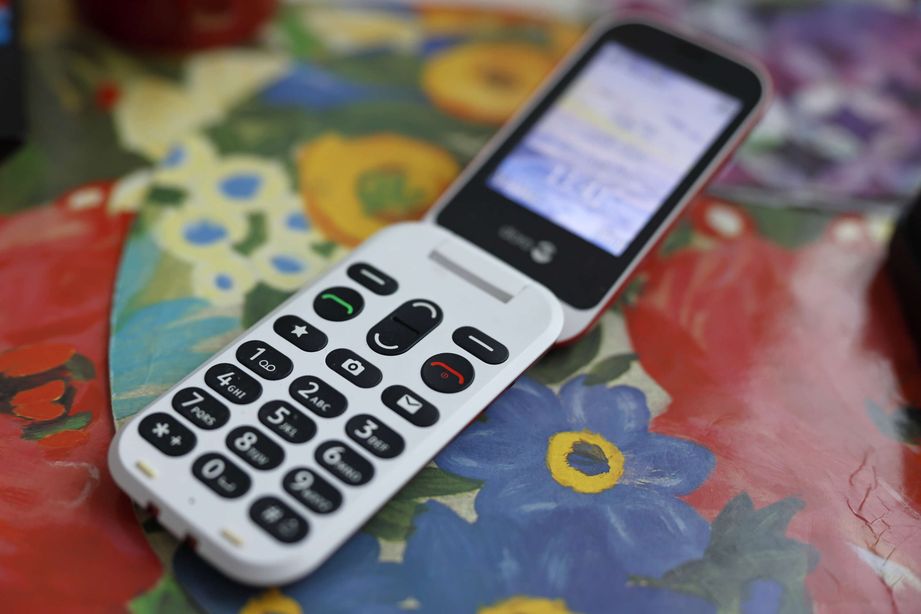
A recent emergency alert system test in Finland caused malfunctions in Doro phones widely used by elderly people, sparking worries about reachability in urgent situations.
A recent test of Finland's emergency alert system caused significant malfunctions in certain mobile phones, particularly Doro models favored by older adults. Among those affected was 83-year-old Kerttu from Joensuu, whose phone stopped working during a critical moment following the alert. The incident unfolded when Kerttu's son visited her, and after an emergency notification appeared on her phone, Kerttu dismissed it by pressing the OK button. Later that day, her son found her unreachable by phone, prompting an urgent visit using his own keys. He discovered that calls from Kerttu's phone were not connecting until he dismantled and reassembled the device, restoring its functionality.
This experience reflects a wider pattern reported by dozens of people, mostly relatives of elderly users, who are concerned about the reliability of phone communications when emergency alerts are sent. Hannu, a 73-year-old resident of Pälkäne, has had to restart his phone multiple times since the test to regain normal operation, highlighting ongoing frustrations with basic texting and calling.
Similarly, Kari Laitinen from Siilinjärvi found his phone completely unresponsive, unable to make calls even to emergency numbers. He expressed worries about how many elderly people might be similarly left without communication during such system tests.
Users like Kerttu and Irja from Rovaniemi face difficult decisions; Irja had to replace her phone with a newer Doro model after her original device became unusable post-test. This replacement also incurred extra costs due to incompatible chargers and the unavailability of identical devices.
The incidents raise concerns about the safety of elderly users in rural areas who rely heavily on these phones for emergency communication. While some have supportive neighbors, the potential for being unreachable during emergencies remains a troubling prospect.
Authorities and manufacturers have yet to clarify how these disruptions will be prevented in the future. Users like Kerttu consider switching phones if similar malfunctions reoccur during upcoming alert tests. The situation underlines the pressing need to ensure that emergency systems and compatible devices function seamlessly, especially for vulnerable populations dependent on dependable communication tools.


Sources and original reporting
Read the original source ↗
Comments (0)
No comments yet. Start the discussion.
Write a comment
Comments are published after moderation. Your name and comment will be visible publicly. Account