Finnish Solar Foods Awaits EU Approval to Commercialize Novel Protein, Facing Years-Long Delay
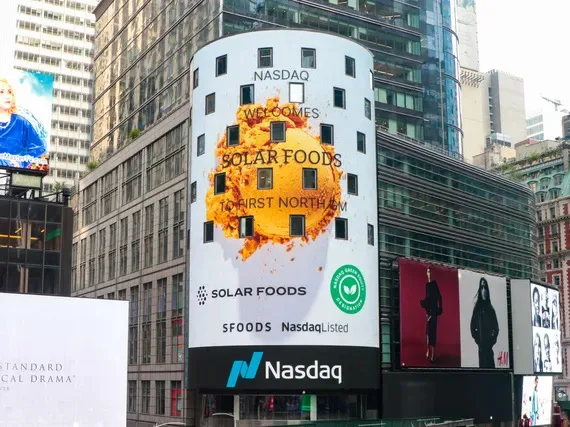
Image: Tekniikka & Talous · Source
Solar Foods, a Finnish food tech firm, has waited over five years for EU approval of its Solein protein, delaying factory production and costing an estimated €100 million in lost revenue and additional financing.
Finnish food technology company Solar Foods has developed Solein, a novel protein product created through advanced fermentation technology, poised to impact the future protein market significantly. Despite receiving a positive safety assessment from the European Food Safety Authority (EFSA) in November 2026, the company has yet to obtain the final European Union (EU) marketing authorization necessary for commercialization. This delay comes more than five years after Solar Foods submitted its application for approval to the EU in October 2021.
Solar Foods CEO Rami Jokela describes the EU’s current authorization process as a major bottleneck, with the remaining approval steps estimated to take an additional 7 to 9 months. He highlights that the near six-year total process delays the company’s ability to scale production and achieve profitability in the European market, placing them at a competitive disadvantage compared to regions like Singapore and the United States, where approval was secured in under a year or has occurred more swiftly.
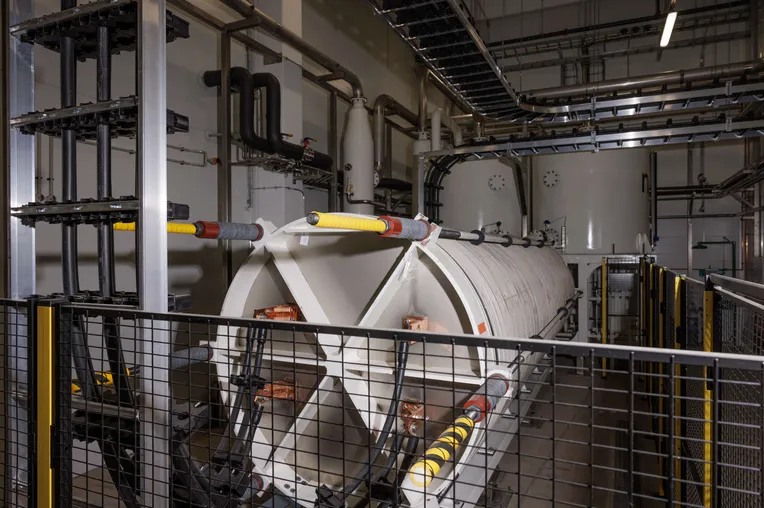
The delay has directly impacted the timeline for Solar Foods’ Factory 02 plant in Finland, intended to ramp up Solein production to 6.4 kilotons annually. Initially, a 3.2-kiloton phase was planned for operation by 2028, but bureaucratic holdups have pushed this back. Jokela estimates the delay and associated prolonged financing needs have cost Solar Foods approximately €100 million, including lost potential earnings.
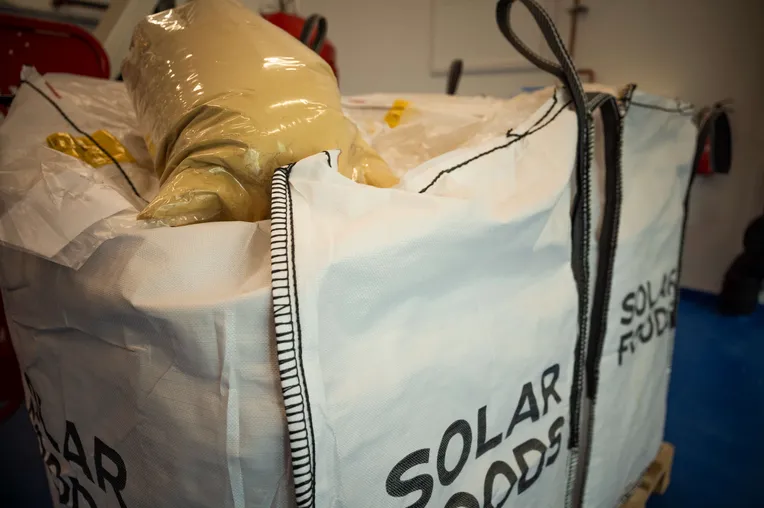
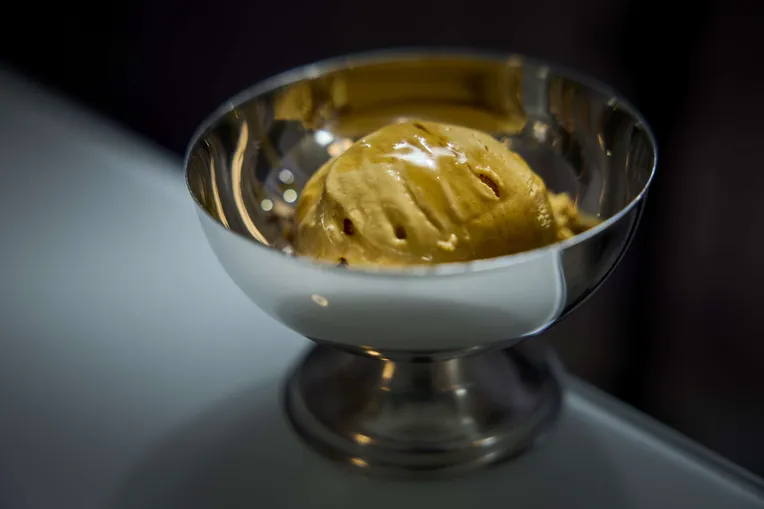
Despite these challenges, the company emphasizes Solar Foods will continue as a raw material supplier rather than a consumer product manufacturer, targeting higher-value protein markets such as protein bars, powders, drinks, and snack foods. The Solein protein can also be incorporated into products like ice cream, mayonnaise, sauces, and pasta. Domestic partnerships, notably with Finnish food company Fazer, and ongoing talks with European retailers signal growing market interest underpinned by the recent EFSA safety endorsement.
Funding Factory 02 remains an active focus, with 71% of the project financing secured, though over €50 million in funding is still needed. Final investment decisions await the issuance of the EU implementation regulation and clearances from member states. Jokela calls for regulatory processes more aligned with business realities, suggesting greater industry experience among assessment panels might accelerate approvals and better reflect the costs of delays.
Solar Foods recognizes the EU’s substantial financial support—including over €100 million in grants—as pivotal in advancing its technology. Yet, the protracted commercialization path prompts reflection on the attractiveness of Europe as a base for future food tech innovation versus other regions with more streamlined approval frameworks. The company’s journey illustrates the delicate balance between rigorous safety assurance and fostering innovation within the food technology sector across Europe.

Sources and original reporting
Read the original source ↗
Comments (0)
No comments yet. Start the discussion.
Write a comment
Comments are published after moderation. Your name and comment will be visible publicly. Account