Physicl has secured $10 million in seed funding to develop realistic 3D simulations aimed at improving robot training, addressing the challenges of bridging simulation to real-world performance.
Underdog introduces Woof, a 32MB text-to-speech AI model running entirely offline in browsers, demonstrating speech and music generation suitable for edge devices.
Zipline raised $1.5 billion, reaching a $21.5 billion valuation, and expanded its Walmart drone delivery partnership to 300 U.S. sites from 21, boosting its autonomous drone logistics presence.
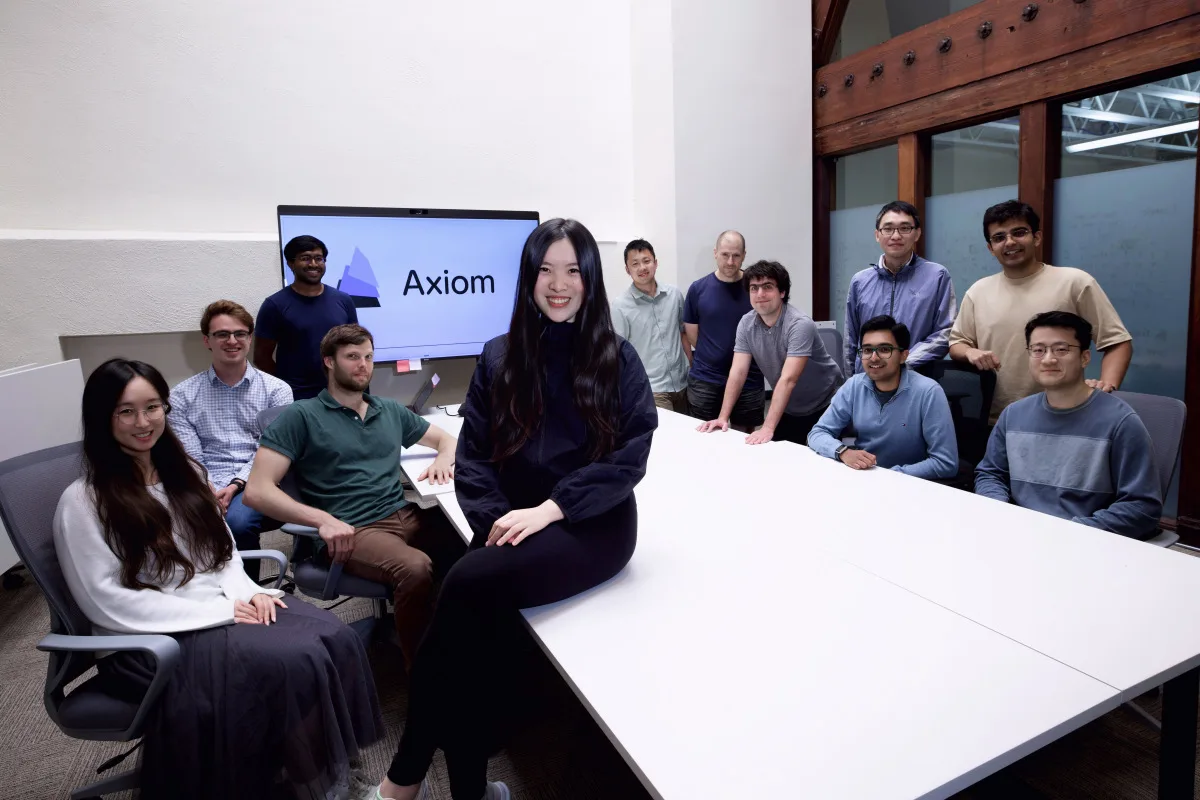
Axiom Math has formally verified the extensive Stacks Project using AI agents, creating a solid foundation for trustworthy mathematical proofs and paving the way for reliable AI-assisted mathematics and software development.
Over ten US local governments have curtailed or ended contracts with Flock Safety's surveillance cameras this year, citing privacy, data sharing, and misuse issues.
Palo Alto Networks may acquire Clutch Security, an AI agent system access security startup, for $500 million plus milestones, reflecting growing AI-driven cybersecurity market activity.
Stephen Ward, formerly of the Secret Service and top CISO roles, is raising a second $250 million cybersecurity venture fund focused on early-stage startups, blending his pragmatic investing style with deep industry expertise.
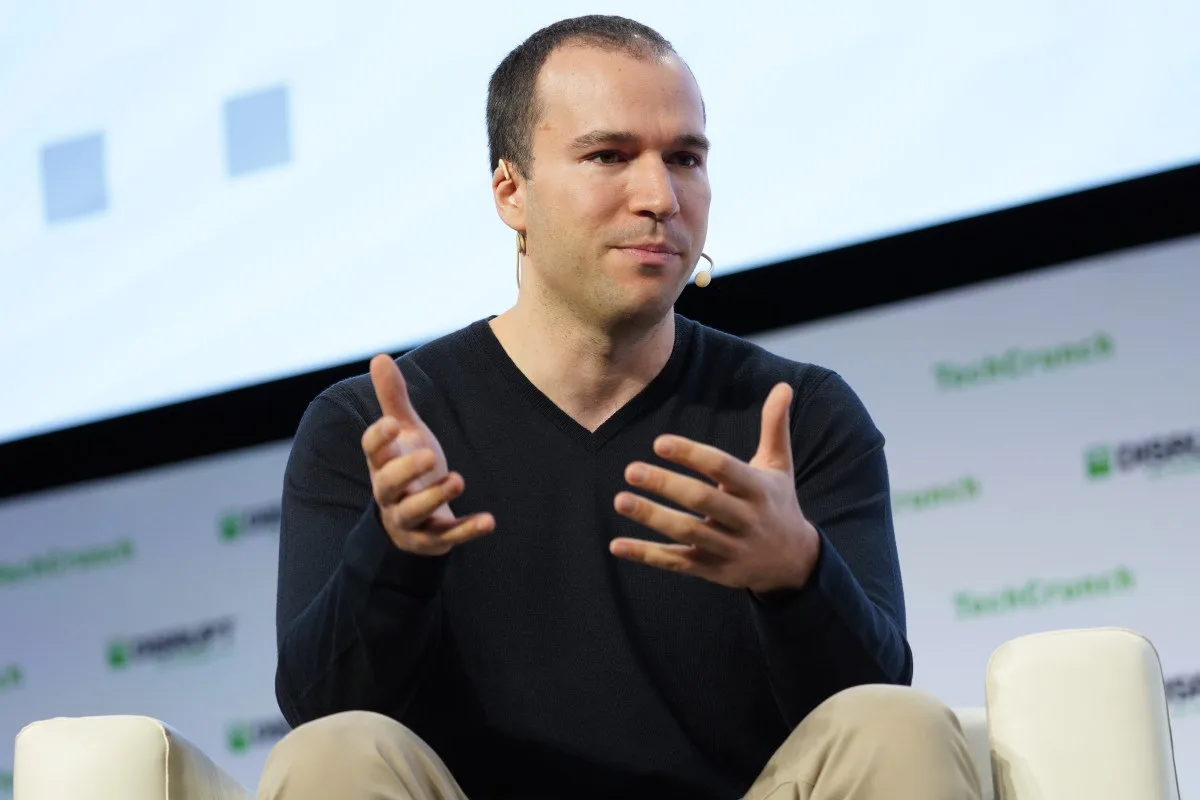
OpenAI's president Greg Brockman reveals the company is on track for an IPO in 2027, highlighting significant growth in enterprise revenue and new partnerships with major clients like JPMorgan Chase.
OpenAI introduces ChatGPT Cyber, a new AI model designed to enhance cybersecurity defenses by discovering and patching software vulnerabilities, responding to growing concerns about AI-aided hacking.
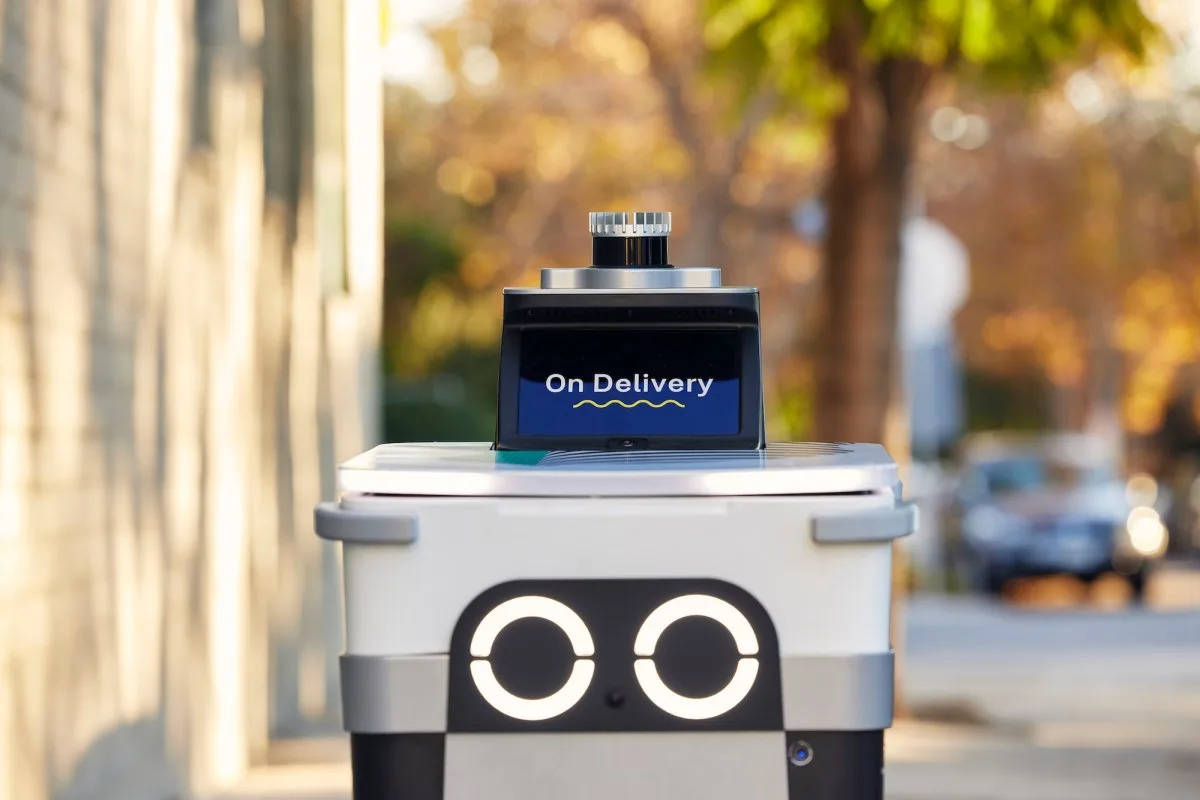
Serve Robotics introduces Physical AI Services to provide connectivity and data tools to other robot makers, aiming to be the AWS of robotics while expanding its autonomous delivery operations.
Major tech companies Meta, Google, and TikTok have sued California's Attorney General to block AB 1709, a law restricting addictive social media features for users under 16, citing free speech and privacy concerns.
Meta highlights that rising political opposition to data centers following recent elections may impede future AI advancements, emphasizing the need to better communicate the benefits of such infrastructure to communities.
Meta has introduced a new feature allowing US users to video chat with Muse, its AI agent, through a customizable animated avatar ahead of a planned wearable device release.
Discovered Materials, a Y Combinator-backed startup, has announced a $1 million challenge aimed at harnessing AI to solve five critical open problems in materials science, potentially advancing semiconductor design and physics understanding.
Google faces criticism from politicians and educators after announcing that K-12 schools must opt in to AI tools to retain access to Google Search, raising concerns over monopoly power and educational autonomy.