Fusion startup Helion receives $225 million in funding to develop advanced semiconductors that could double the output of its fusion power plants, aiming to supply Microsoft with electricity by 2028.
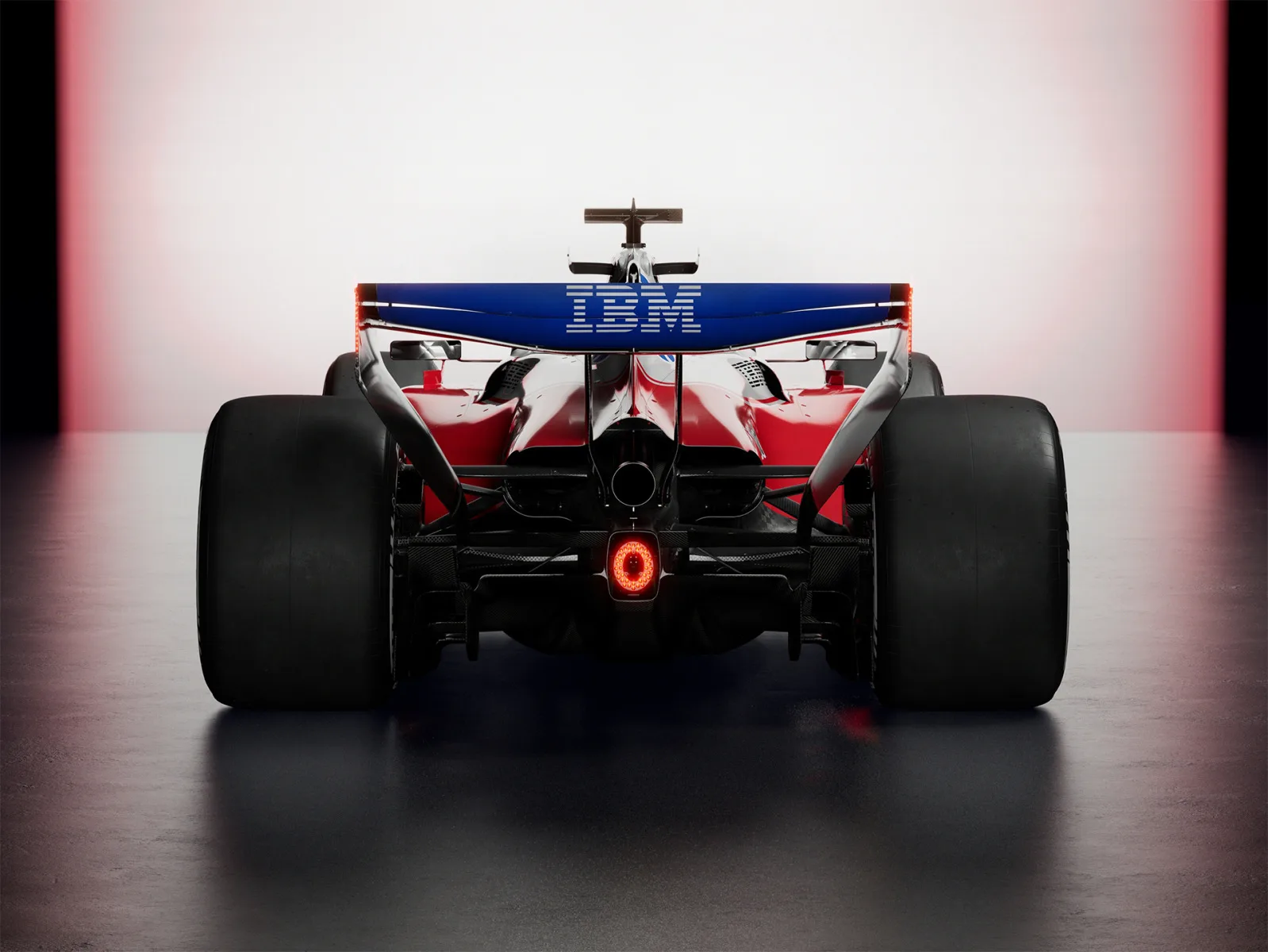
IBM and Scuderia Ferrari HP expand their AI-driven mobile app, adding real-time race timelines, AI-generated race summaries, and interactive games to deepen fan interaction ahead of the 2026 United States Grand Prix.
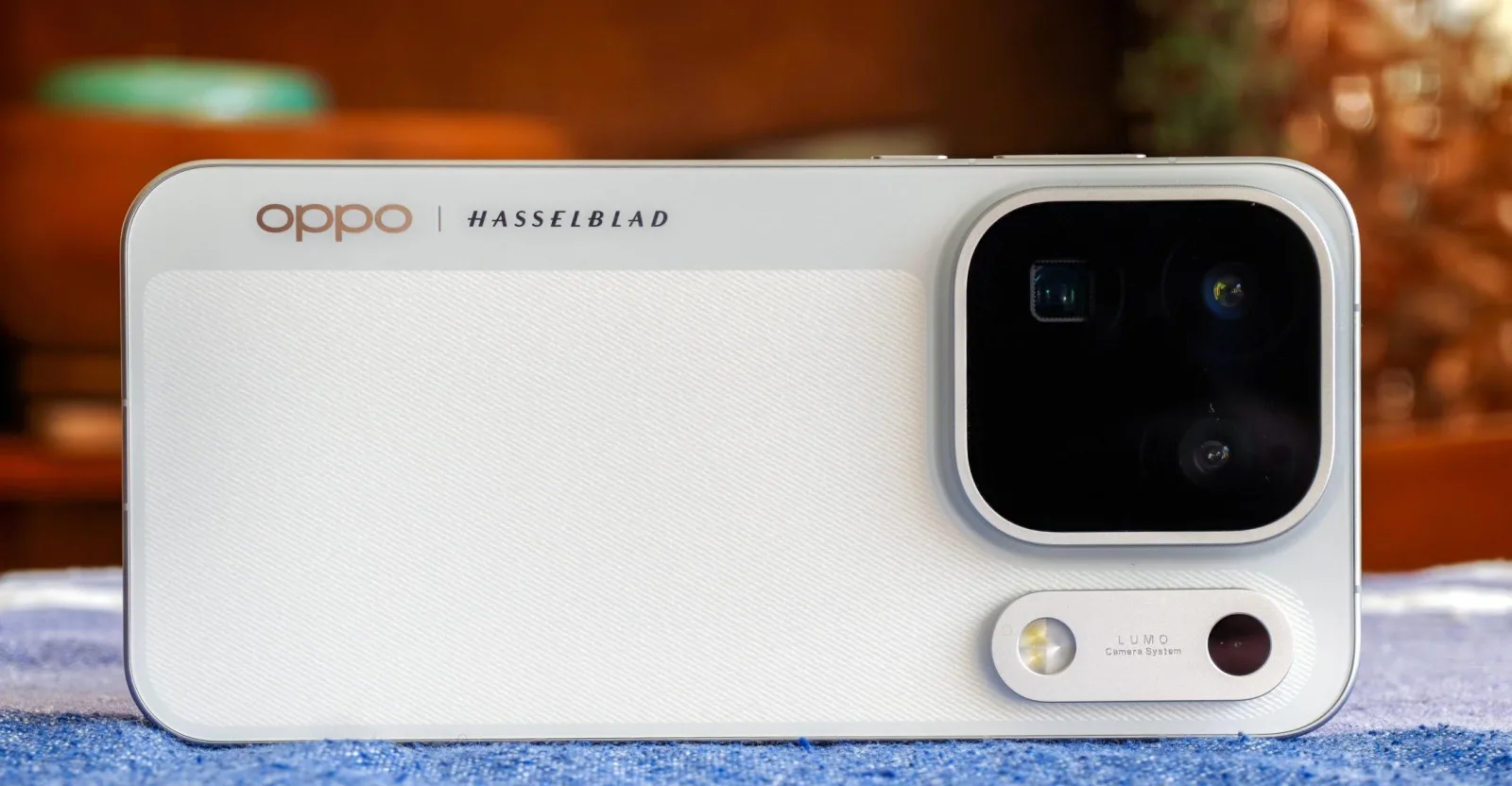
Oppo's Find X10 Pro Max debuts as the first smartphone featuring three 200-megapixel rear cameras, delivering enhanced detail and dynamic range thanks to large sensors and refined Hasselblad tuning.
Over three days in October 2026, attackers hijacked 333 Tor exit nodes, redirecting SSH connections to malicious servers and enabling interception of unencrypted email, exploiting weaknesses in password reuse and server security, according to researcher reports.
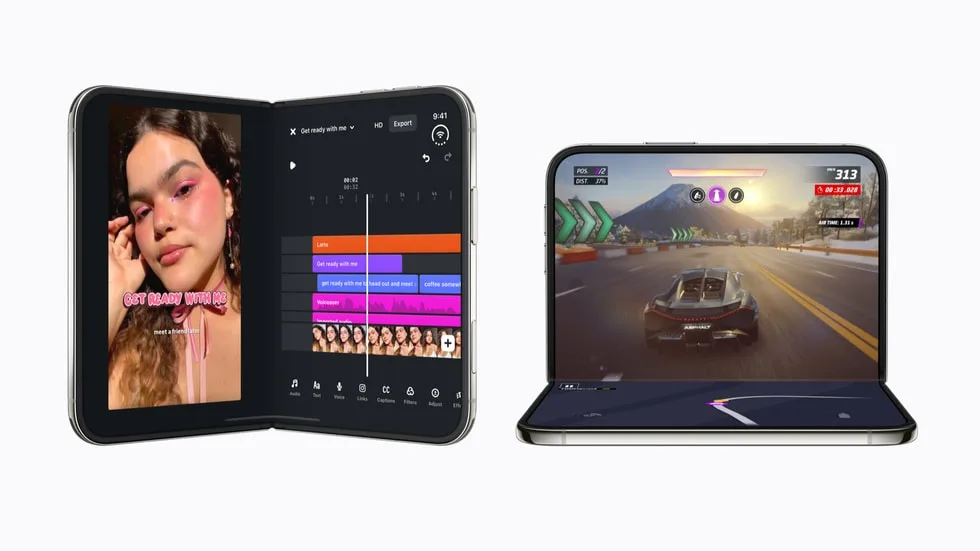
Apple's new foldable iPhone Duo, featuring a large inner display and versatile usage modes, debuts this Friday alongside a variety of apps enhanced to leverage its capabilities, from streaming and gaming to productivity and creativity.
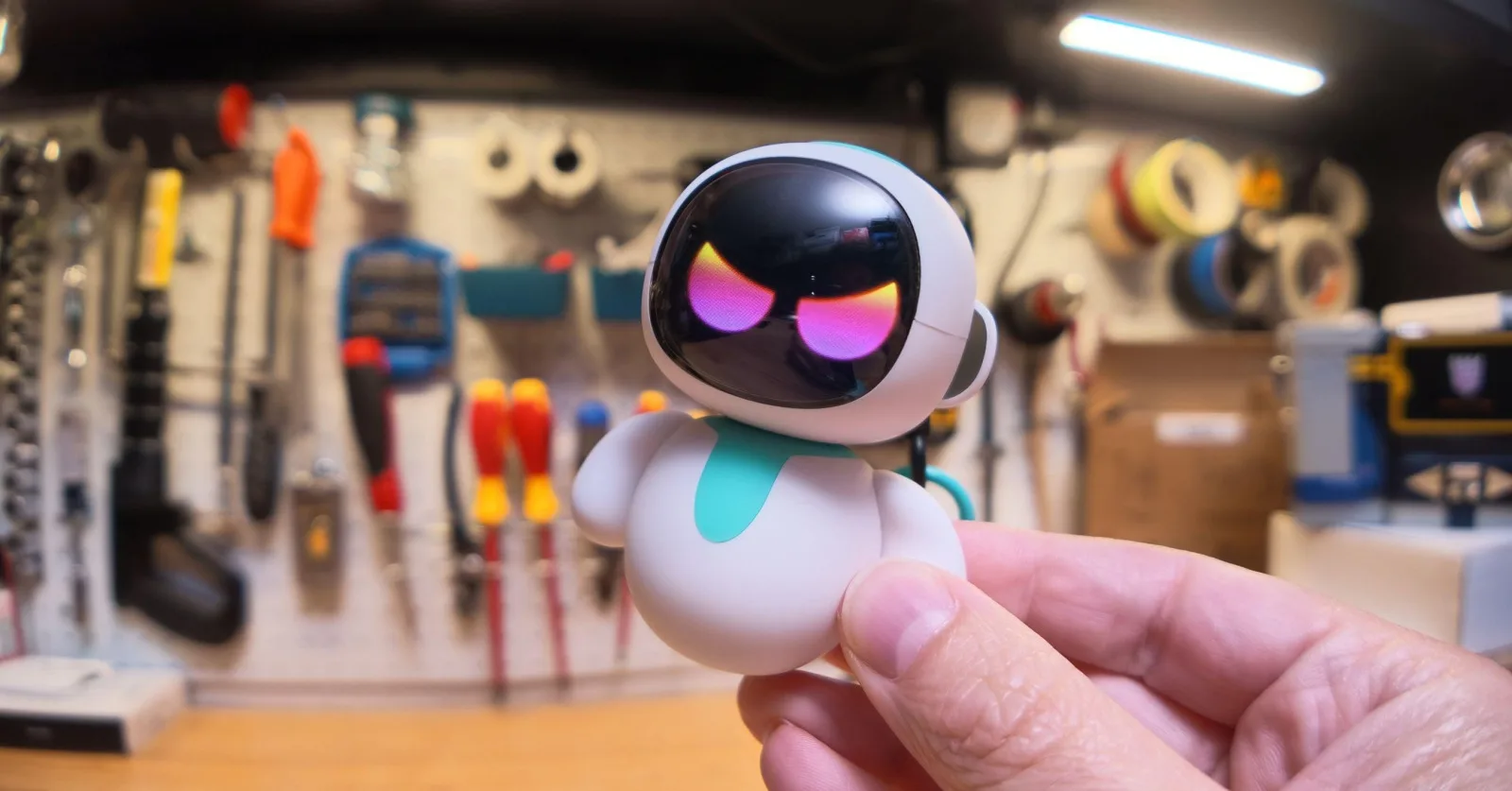
Following reports exposing vulnerabilities in the AI-powered Eiliko robot charm, Energize Lab commits to an independent security audit and immediate measures to secure user data and system access.
Researchers found that smart TVs from Samsung, Vizio, and Roku keep sending data to automatic content recognition services even after users disable tracking, raising privacy concerns about transparency and consent.
A federal judge ruled that the EPA cannot unilaterally dismiss citizen lawsuits under the Clean Air Act, denying a Trump-era EPA attempt to block a pollution suit against Elon Musk’s SpaceXAI data center.
Walmart launches Agent Gateway, enabling AI agents to shop on customers' behalf with dedicated profiles, spending controls, and strict operating terms, contrasting Amazon's blocking of AI agents.
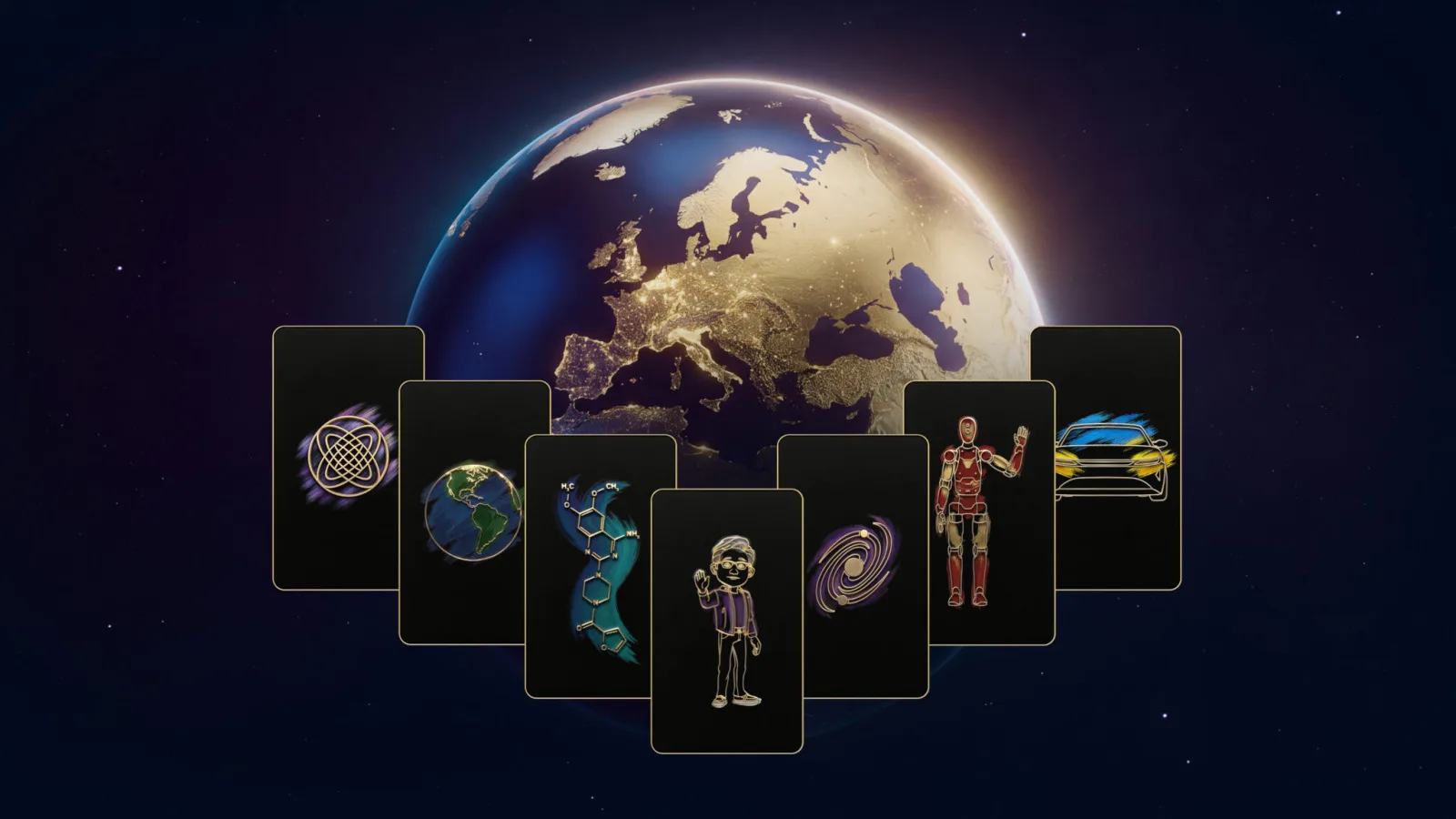
European public sector adopts NVIDIA’s open AI models to enhance services, maintain data control, and customize solutions for local languages and needs, fostering projects from healthcare imaging to sovereign cloud AI deployments.
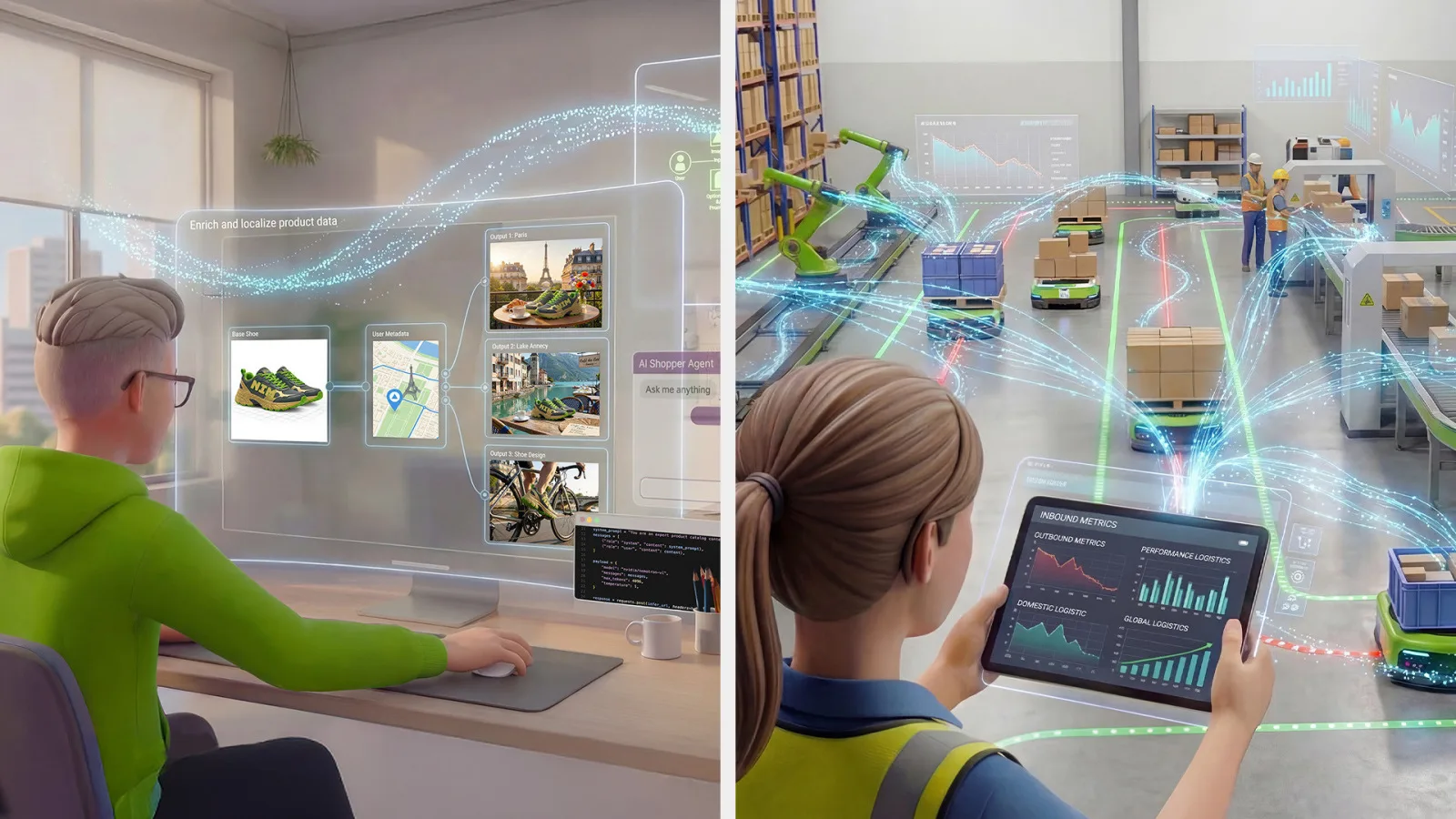
European retailers are leveraging NVIDIA’s AI models and digital twin technology to enhance product discovery, reduce operation costs, and optimize warehouse automation, exemplified by Shopify, Zooplus, L’Oréal, Otto Group, and others.
NVIDIA's DSX AI Factory platform helps companies integrate and optimize power, cooling, and compute systems to tackle massive infrastructure power bottlenecks and enable scalable AI data centers.
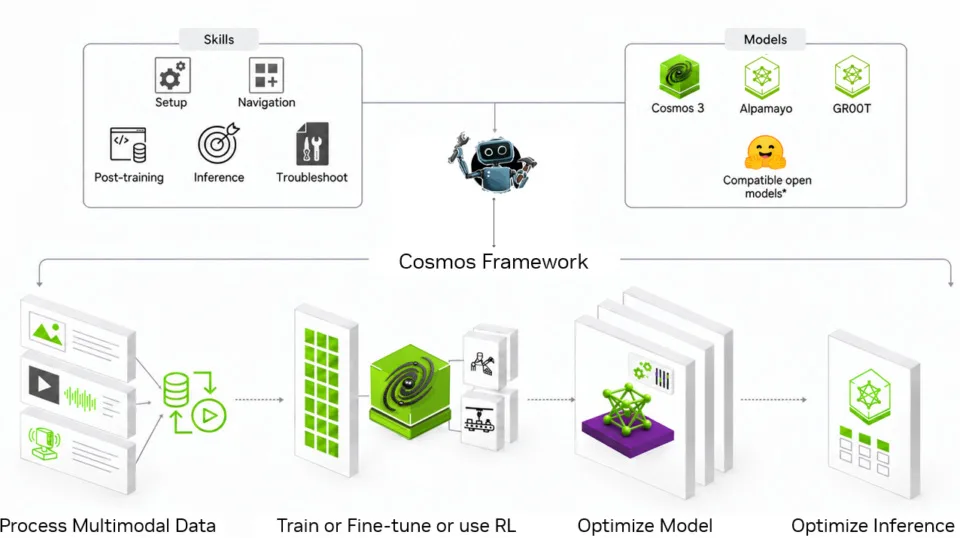
NVIDIA has enhanced its Cosmos platform by introducing new training tools, simulation checkpoints, and Cosmos Data Factory blueprints to accelerate the development, evaluation, and deployment of physical AI world models that simulate real-world interactions across multiple industries.
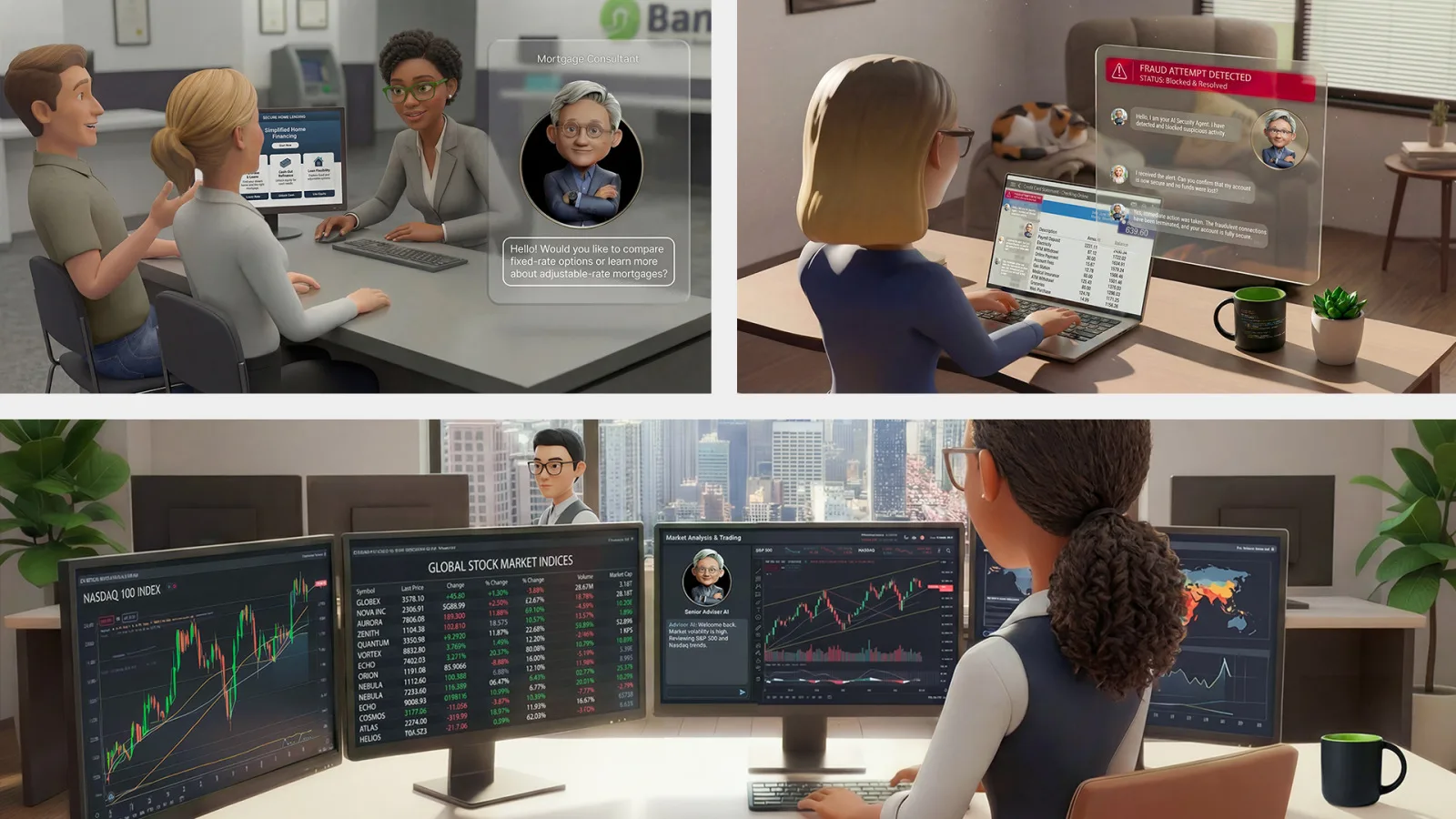
Major European banks and fintech firms adopt NVIDIA accelerated computing and open weight models to develop proprietary AI, enhancing scalability, cost efficiency, and fraud detection within their own infrastructure.