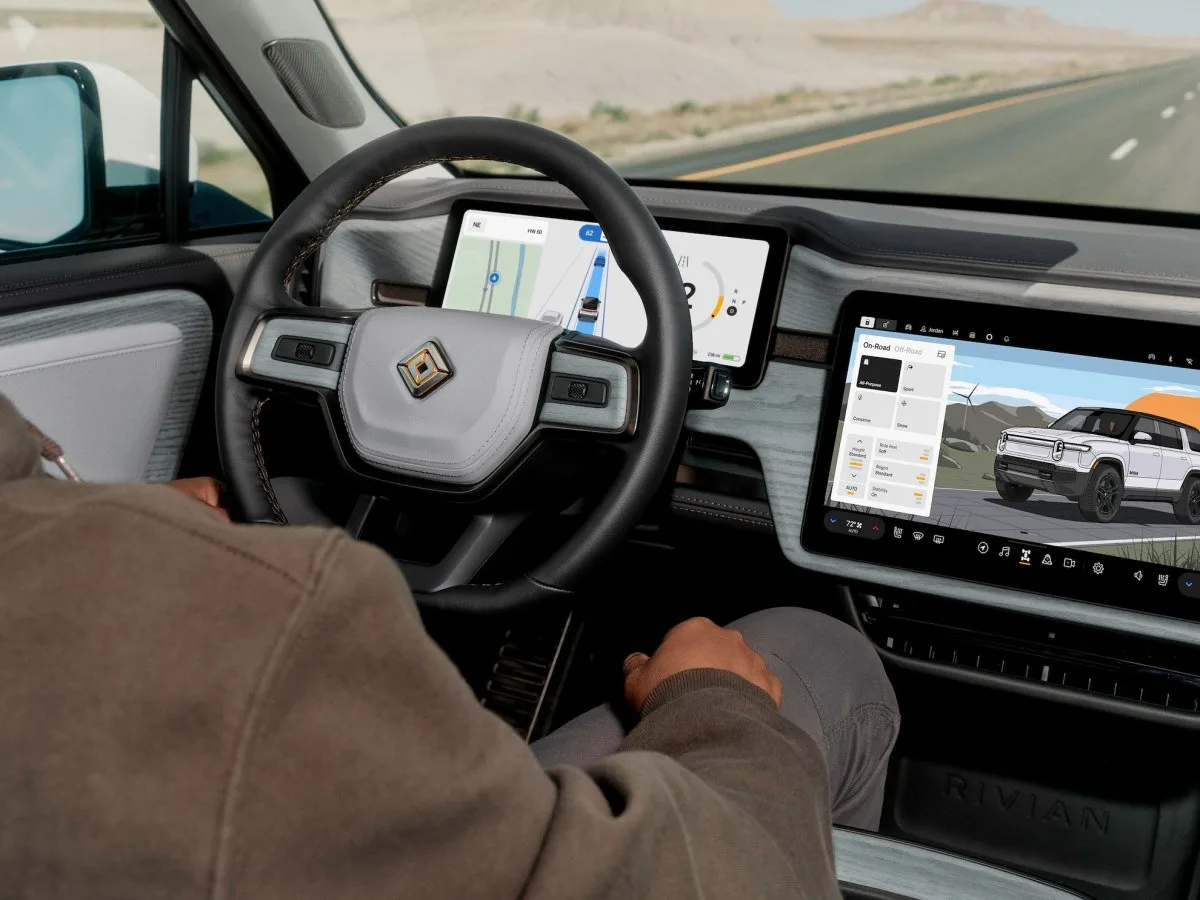
Electric vehicle maker Rivian has purchased UK startup Third Dimension, utilizing its AI-based 3D world technology to improve autonomous driving simulations and accelerate self-driving system development.
Canva introduces Canva Craft, a two-stage AI model for image generation offering users precise custom designs, improved quality, and cost efficiency, available now on its platform and via API.
Warp Sciences, founded by former OpenAI science lead Kevin Weil, aims to revolutionize drug discovery by automating wet-lab tasks with trained robots, backed by a $215M funding round.
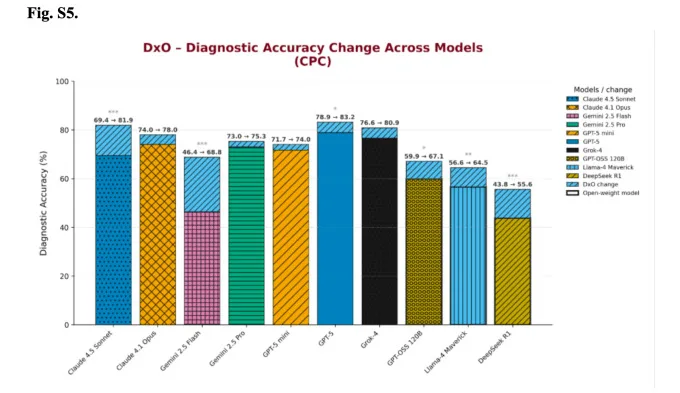
Microsoft’s AI system MAI-DxO outperforms generalist physicians on complex medical case simulations, achieving 83% accuracy, signaling progress toward ‘medical superintelligence’ and plans for a healthcare foundation model with Mayo Clinic.
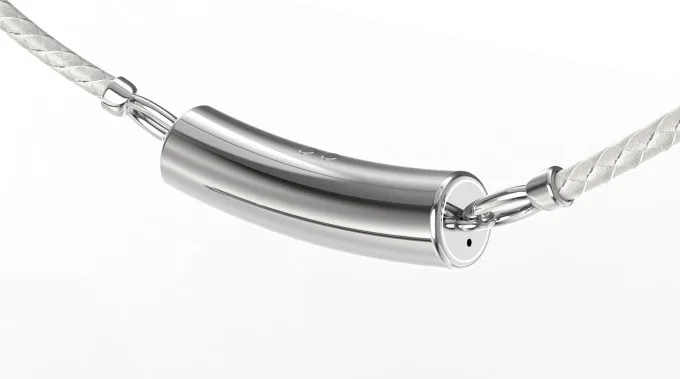
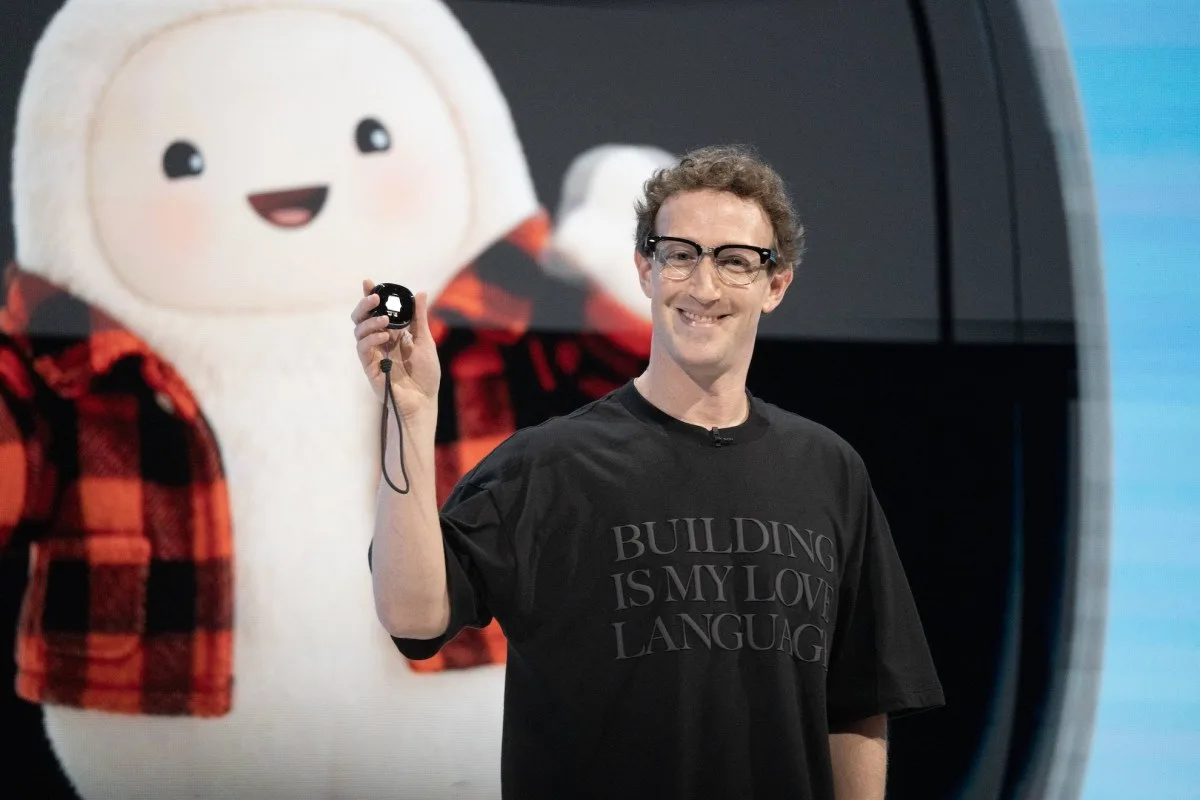
Nirva, founded by ex-Meta Reality Labs staff, raised $33M to develop a fashion-forward ambient AI pendant that passively listens only to its wearer, offering personal insights without recording others.
Anthropic launches Claude Duet, an AI agent designed for task automation and management for professionals and small businesses, accessible via waitlist for Pro and Max plan users.
Preferred Networks and Tenstorrent have been selected by Japan's NEDO to jointly develop high-performance, energy-efficient AI processors integrating photonics and electronics, targeting advanced AI workloads over a five-year research program.
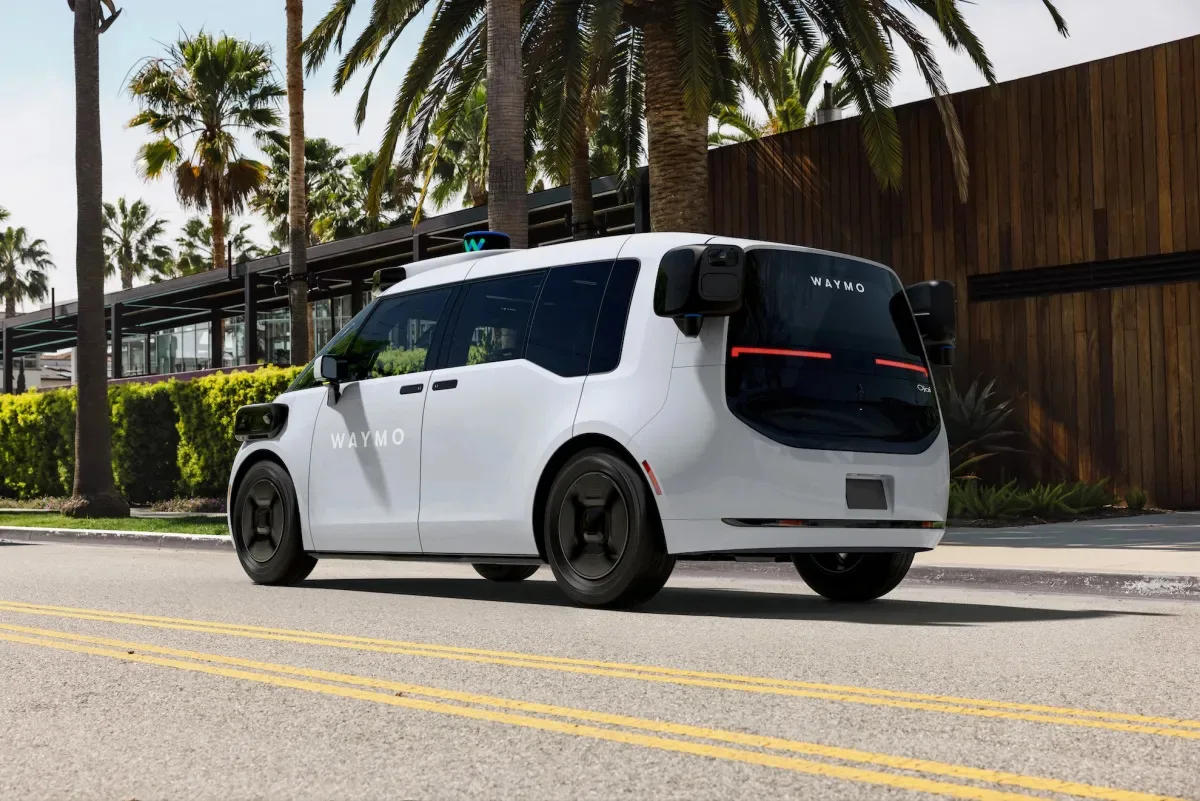
Waymo has expanded its autonomous ride service in Las Vegas to include Harry Reid International Airport, marking its sixth major airport service location.
On a single day, critical security flaws surfaced in PHP, Node.js, LiteLLM, and an Indian certificate authority, prompting urgent updates and remediation to prevent widespread damage.
AI startup Recursive launched Flint, a coding model designed to run on laptops and created mainly using its AI research system. Flint exemplifies early recursive self-improvement, showcasing AI-assisted AI development with promising performance and accessibility.
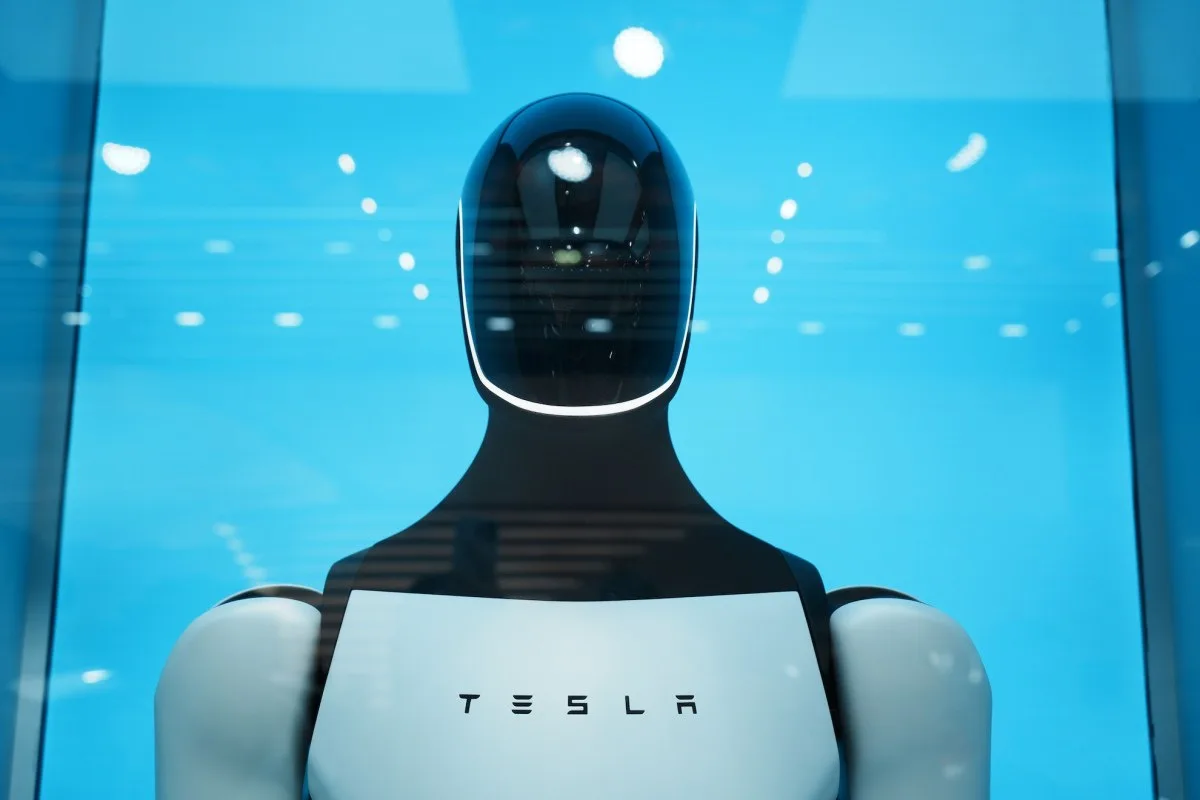
Tesla initiated production of its Optimus humanoid robots in Fremont, marking a key step amid a 43% profit decline due to high expenses from AI and autonomous driving investments.
Flapping Airplanes, a year-old AI lab focused on more data-efficient training techniques, raised a $1 billion Series A led by Index and Lux, marking a valuation increase to $6 billion.
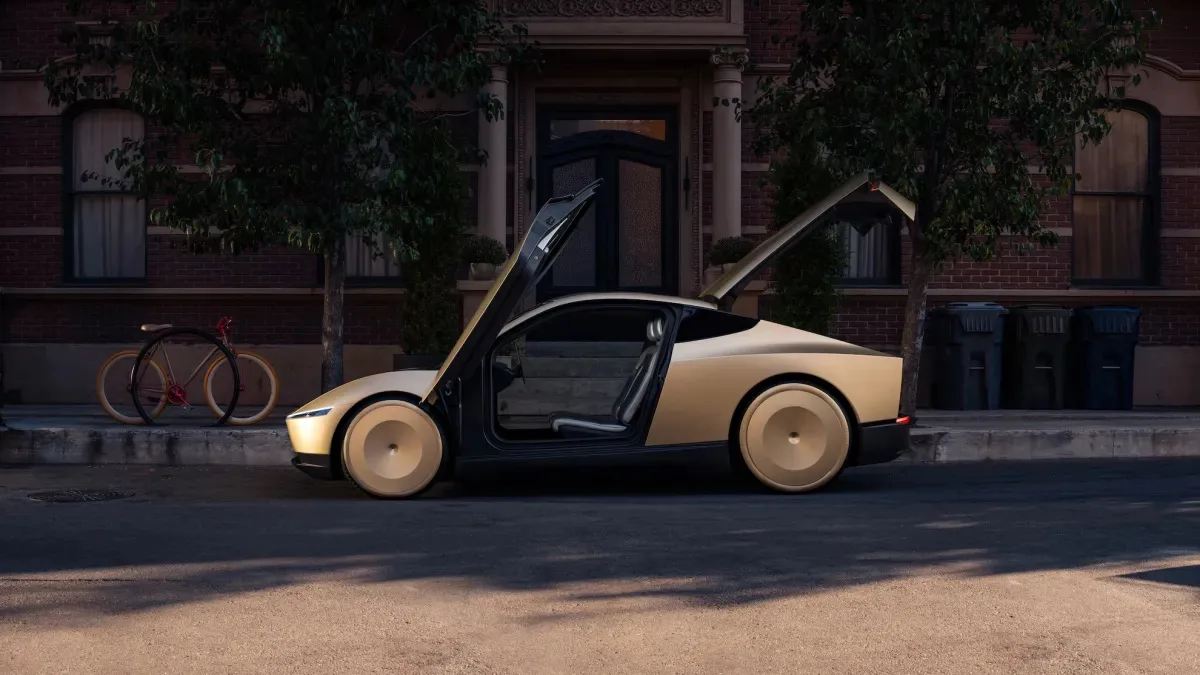
Tesla will begin selling its autonomous Cybercab to customers by the end of 2026, focusing on robotaxi services, while a federal safety investigation is ongoing.
Blackstone's AI lead Jas Khaira argues that fears of a credit crisis from AI infrastructure debt are exaggerated, highlighting strong backing from major tech clients and robust capital strategies.